Vicuña Mackenna 20
Santiago
,Chile
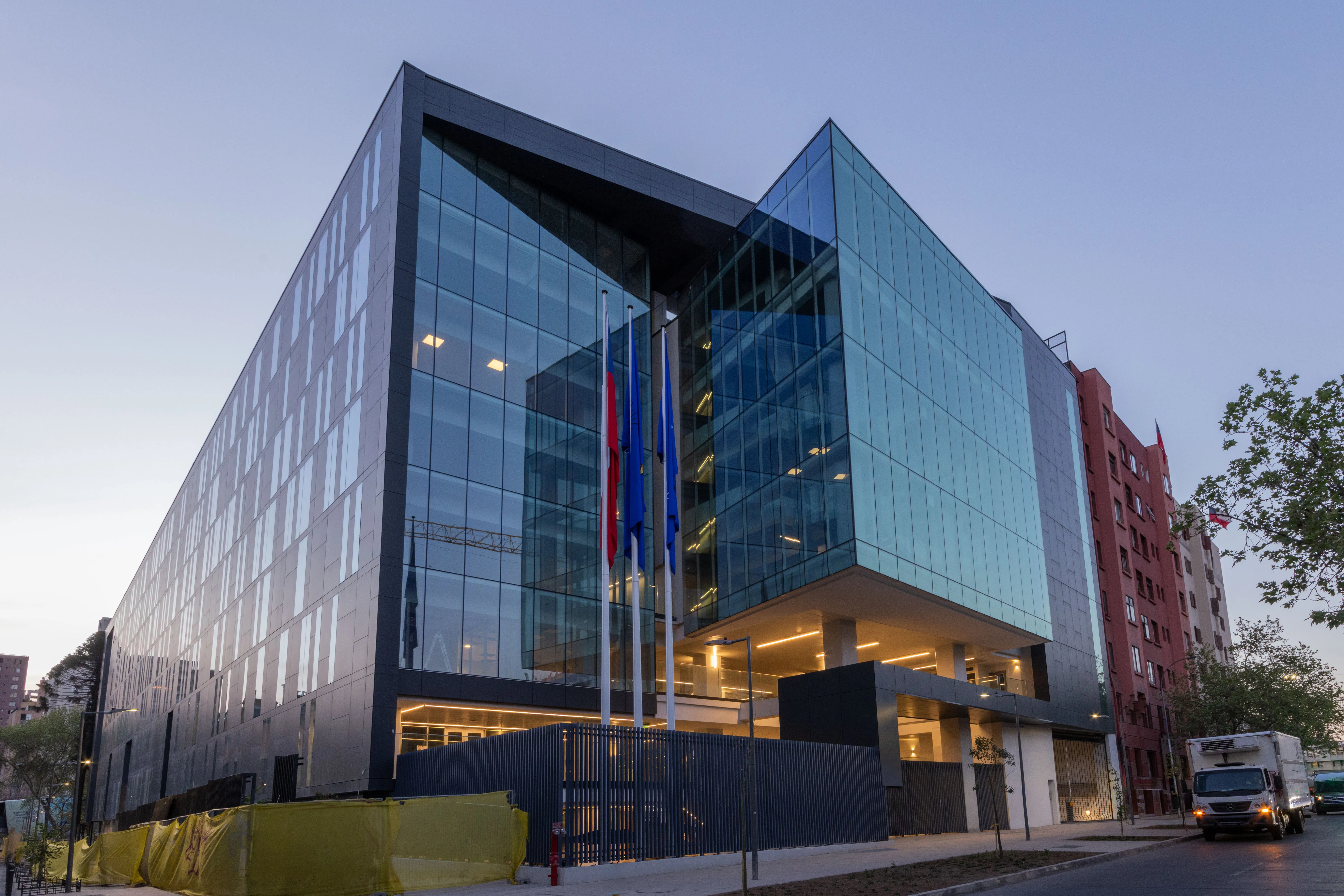
The Vicuña Mackenna 20 (VM20) project, developed by the University of Chile, stands as an emblematic initiative that consolidates an academic, cultural, and public extension space of excellence in the heart of Santiago. Located in the Providencia district, on the site formerly occupied by the Faculty of Chemical and Pharmaceutical Sciences, this building of more than 32,000 square meters - with eight floors above ground and five underground - brings together various academic units and strategic bodies, including the Faculty of Government, the Institute of International Studies, the Center for Artistic and Cultural Extension (CEAC), the Department of Graduate and Postgraduate Studies, and the Office of International Relations.
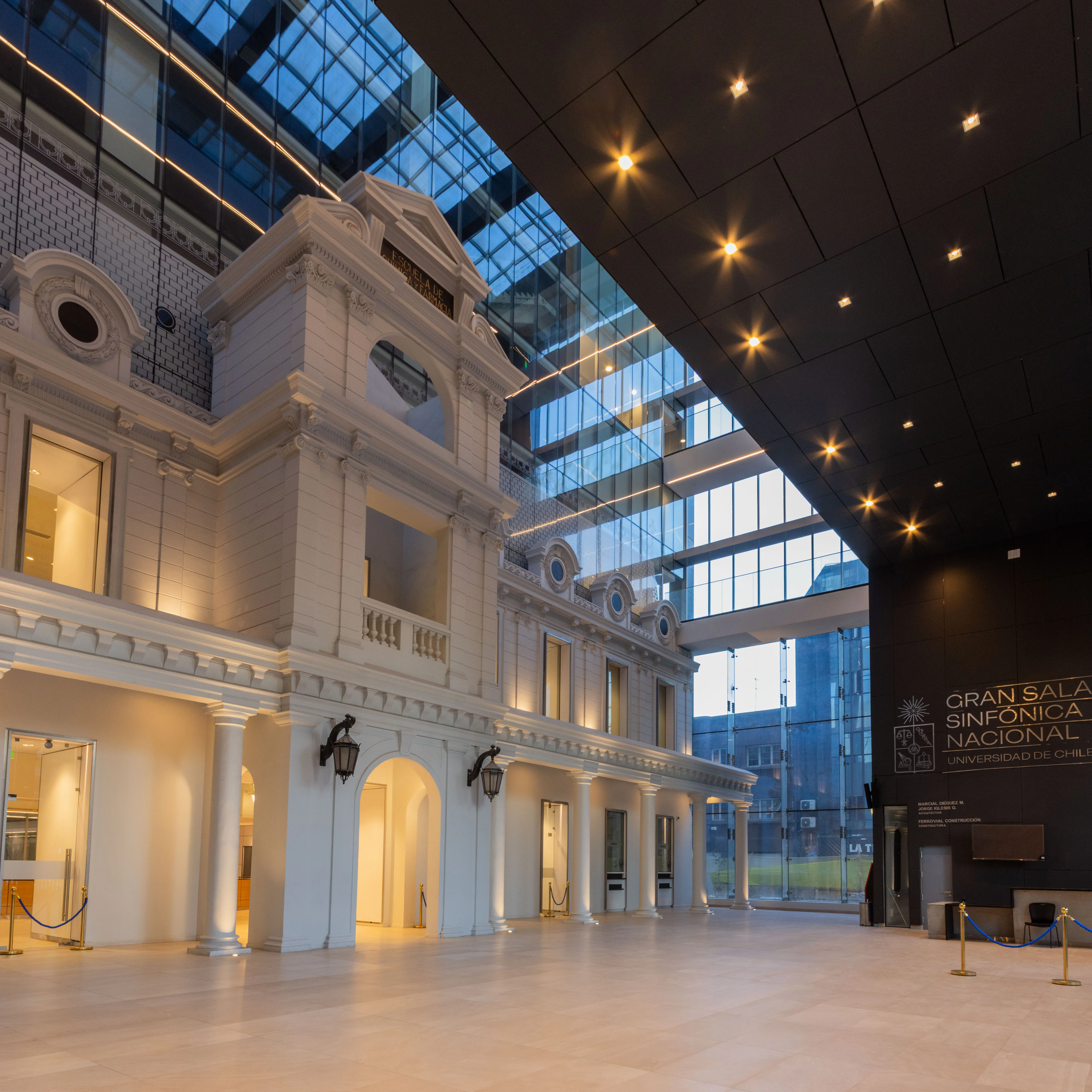
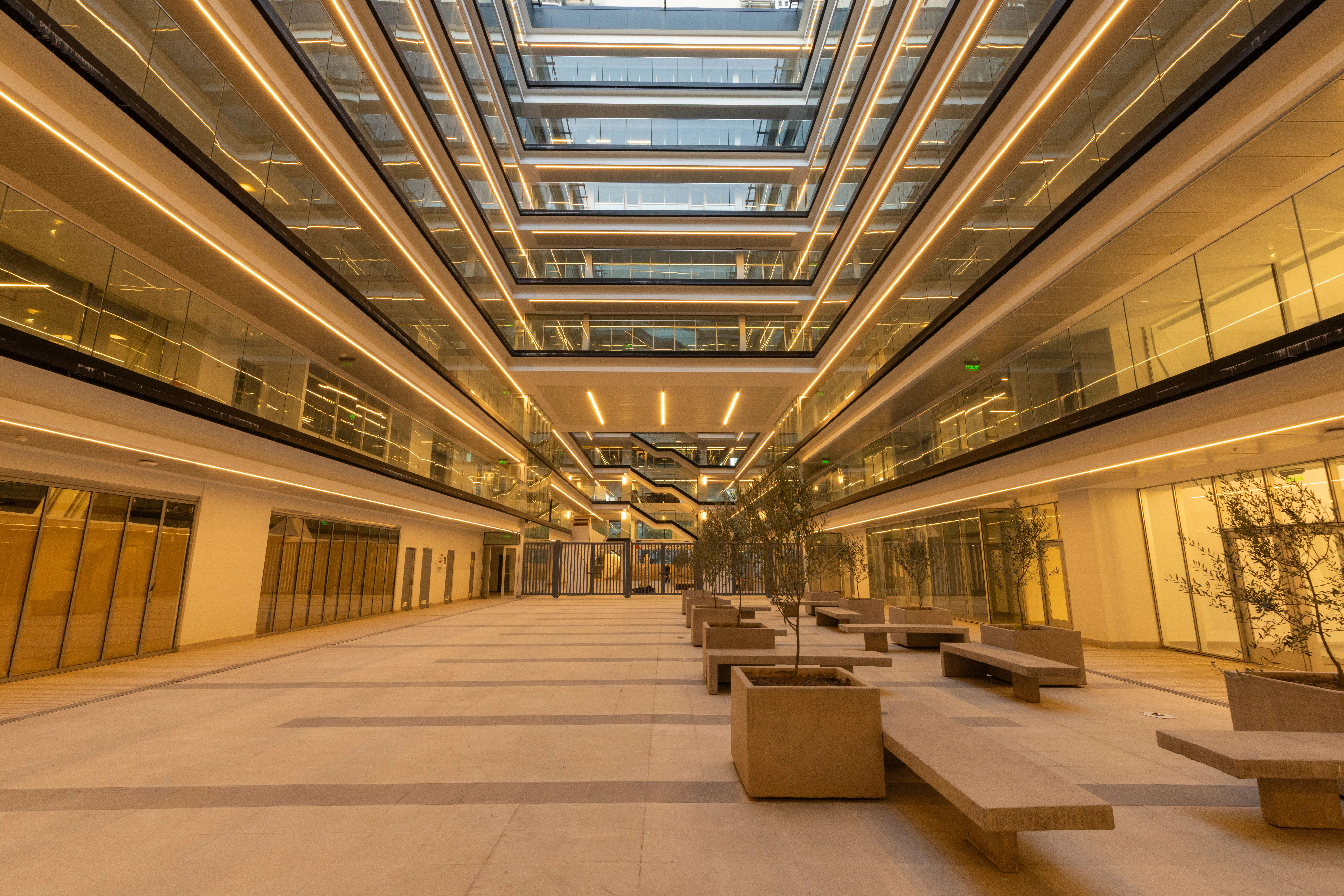
VM20 offers first-class infrastructure: classrooms equipped with advanced technology, laboratories, a multi-level library, inner courtyards, cultural spaces, and rehearsal rooms. At the same time, it recovers and highlights the architectural heritage of the University by preserving the historical neoclassical façade of the former building, maintaining it as an essential part of its symbolic identity.
This project represents a milestone in the institutional development of the University of Chile, articulating its academic mission with its public vocation. It promotes culture, the arts, and public policy from a modern, accessible space open to the community. Its strategic location and thoughtful design make it a true meeting point between academia, culture, and society.
The Vicuña Mackenna 20 (VM20) building rises as a manifesto of contemporary architecture in service of knowledge and culture. Designed by Jorge Iglesis Arquitectos and Marcial Diéguez Arquitectos, this project not only organizes volumes and programs but also shapes the void - that essential space where university life unfolds and extends into the city.

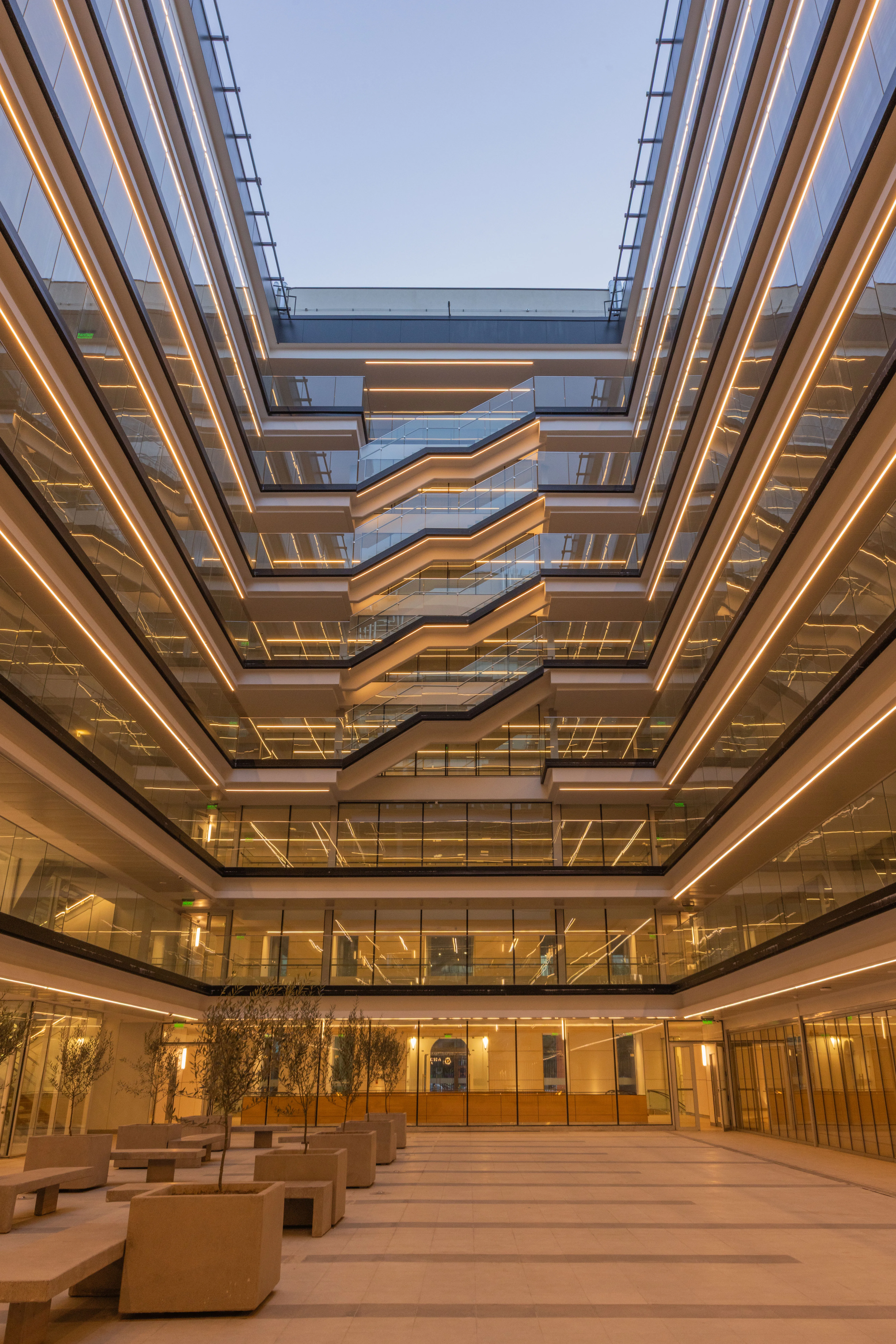
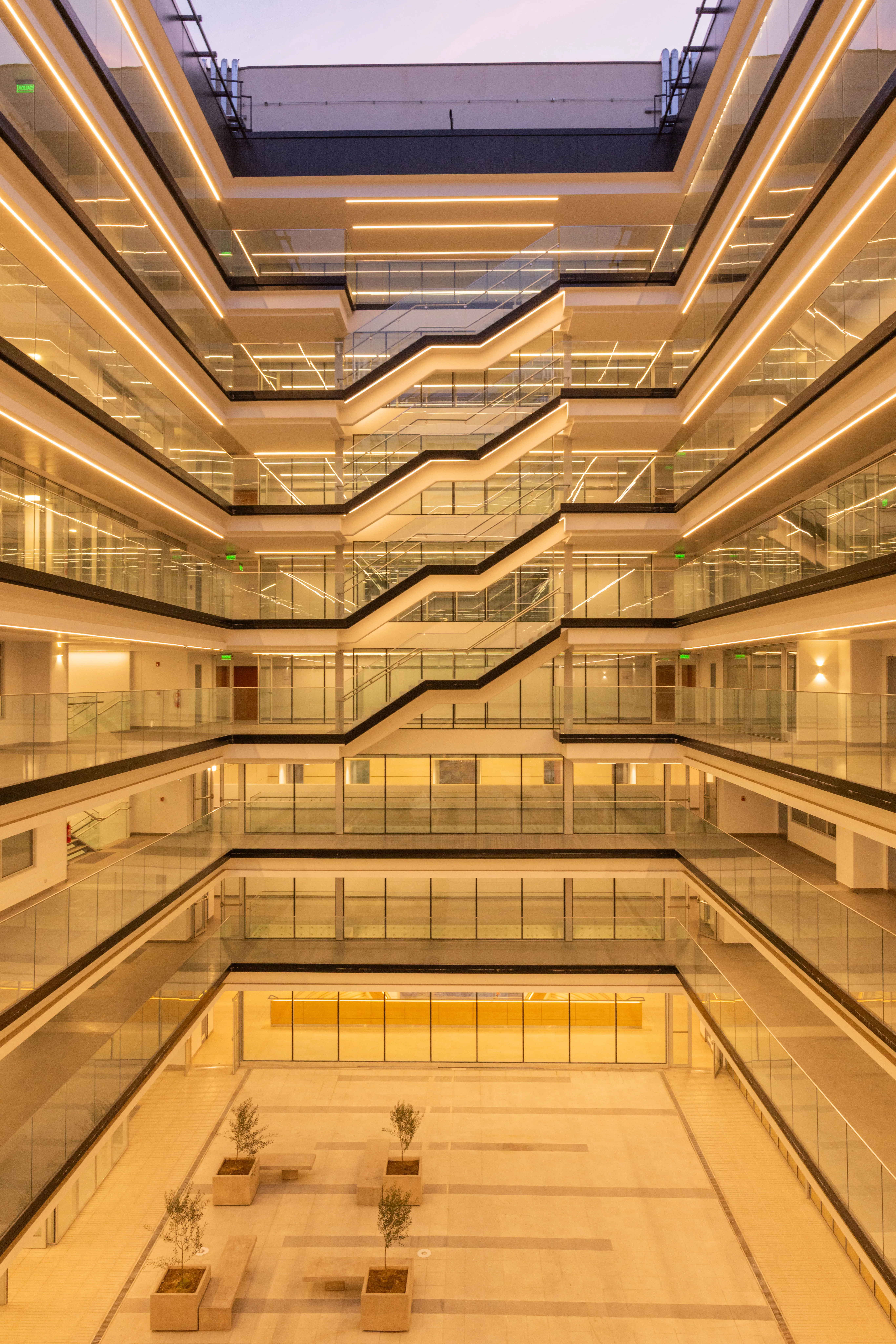
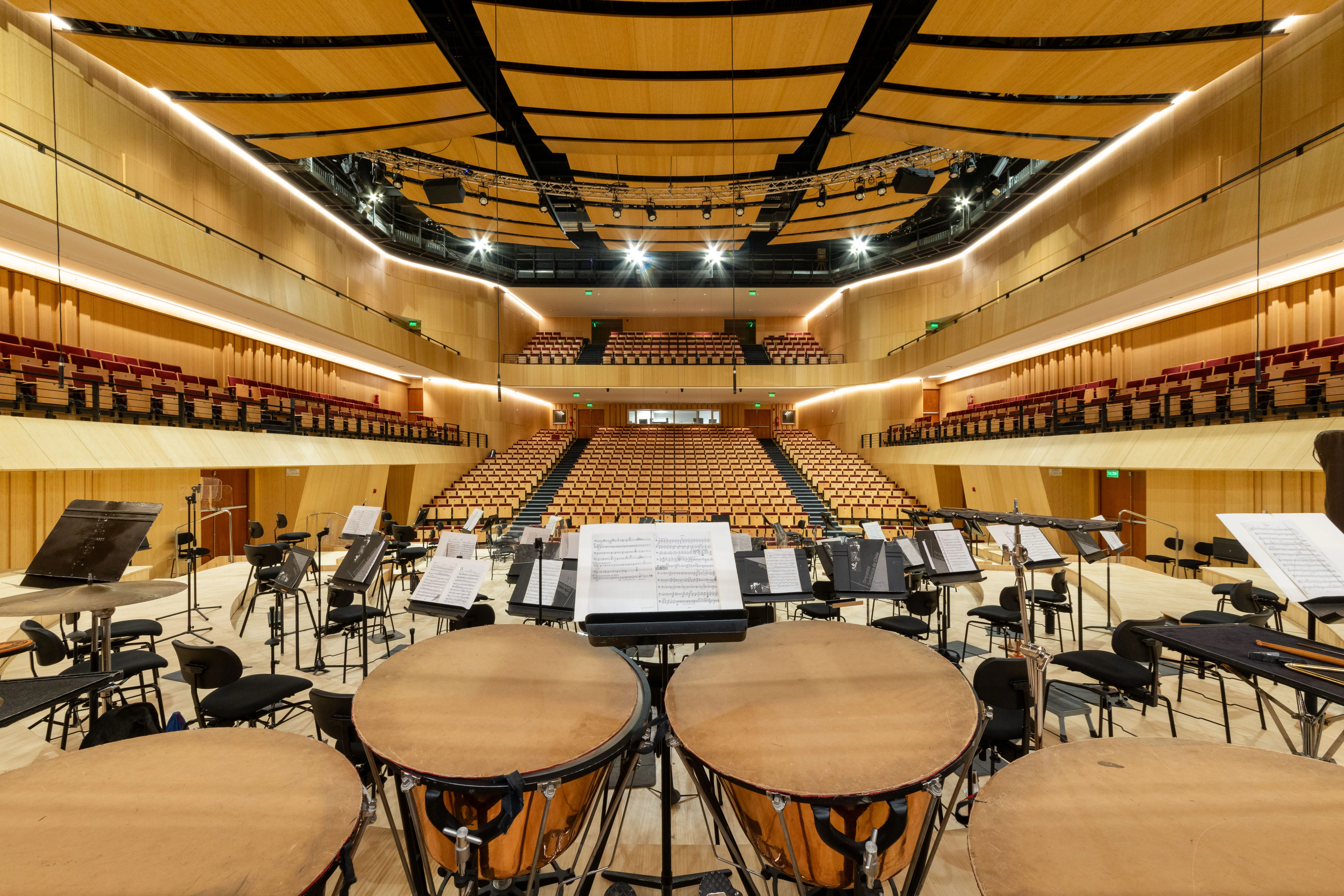
As architects, we work with emptiness, with the envelopes that define and give it form. In VM20, the language of architecture is expressed through geometry - through its edges and lines that shape and embrace the central space. These lines, reinterpreted through light, become visible strokes: LED ribbons that trace in the air the gesture of the architect, as if the pencil that once sketched the project now manifests itself in light.
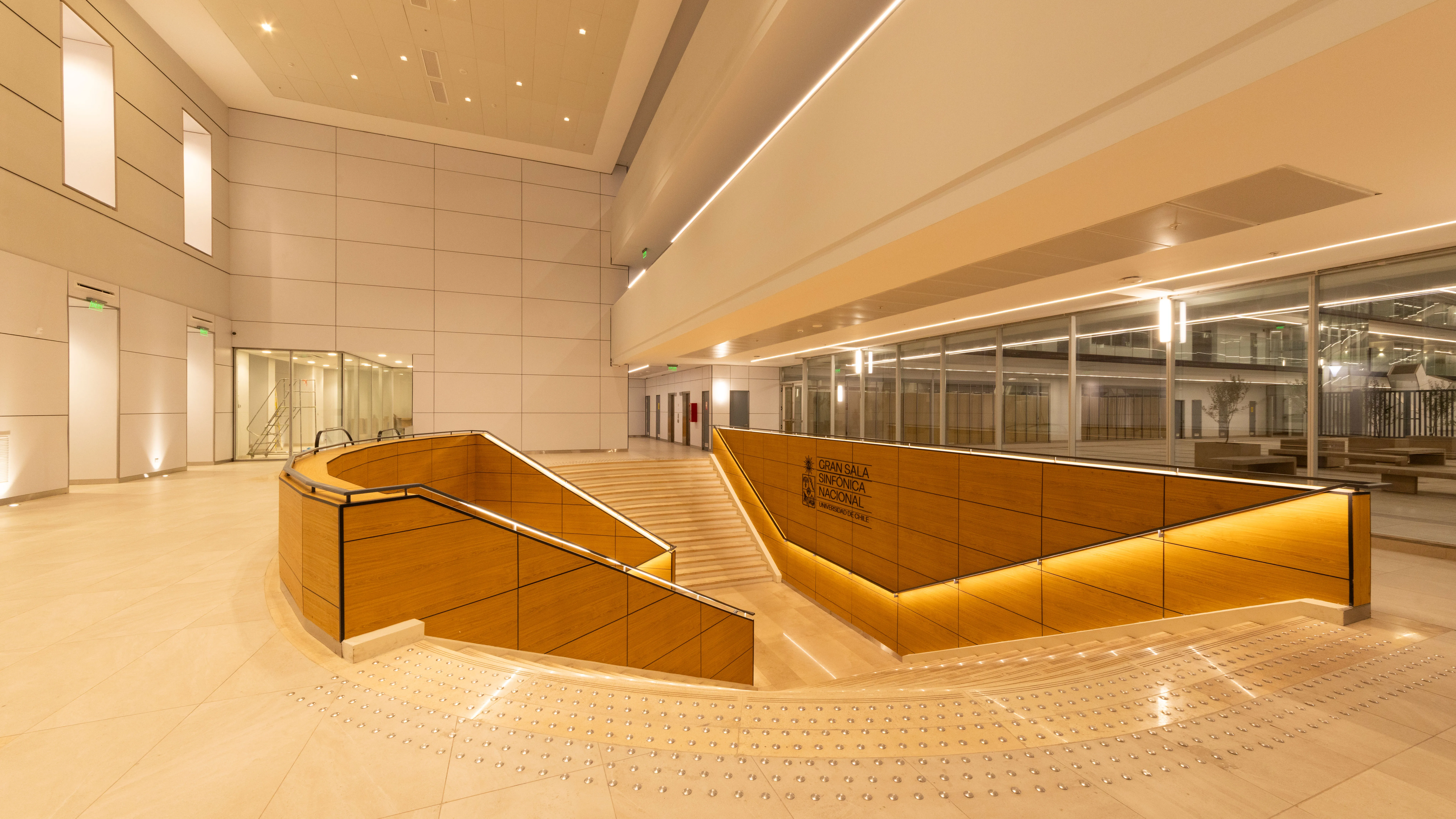
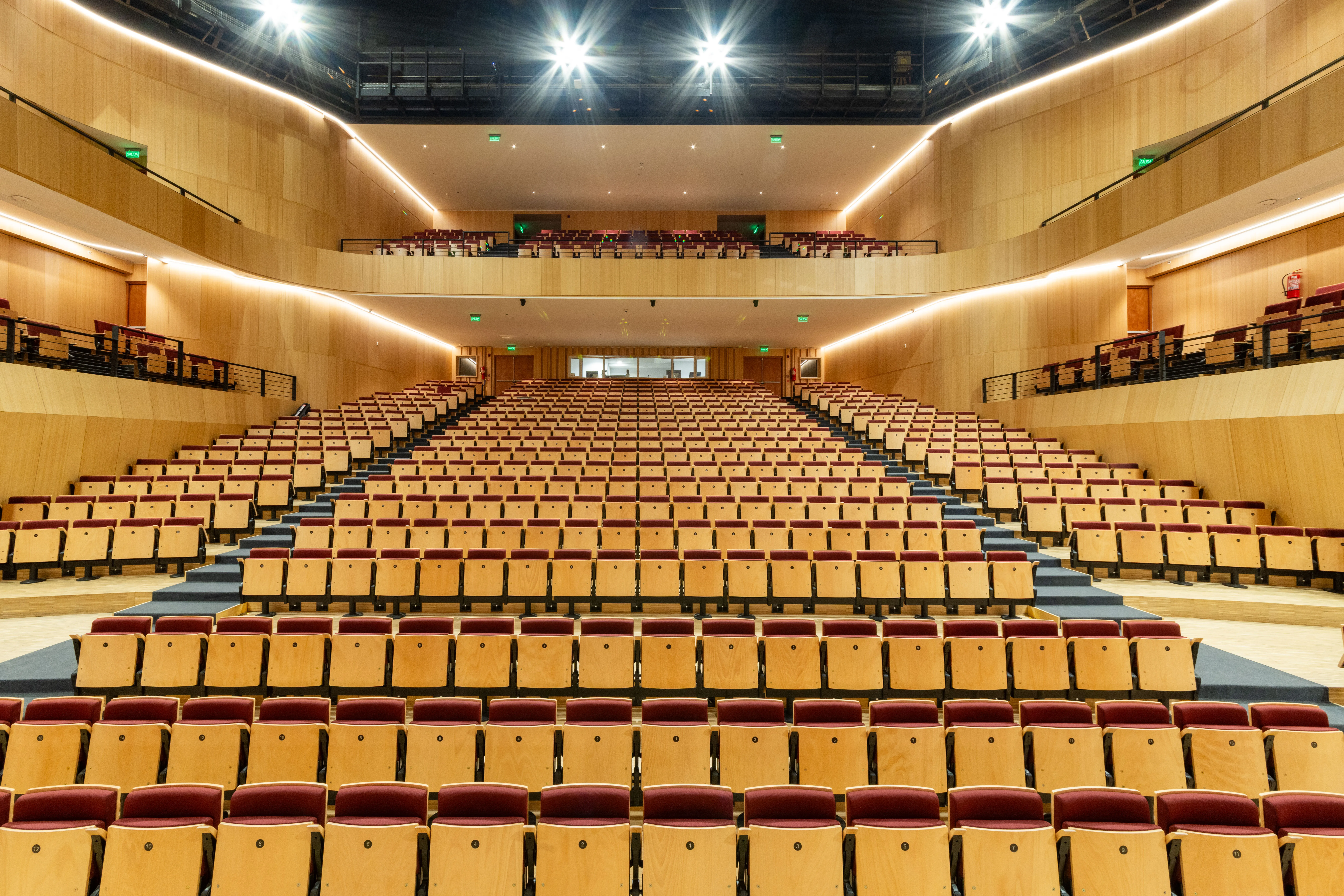

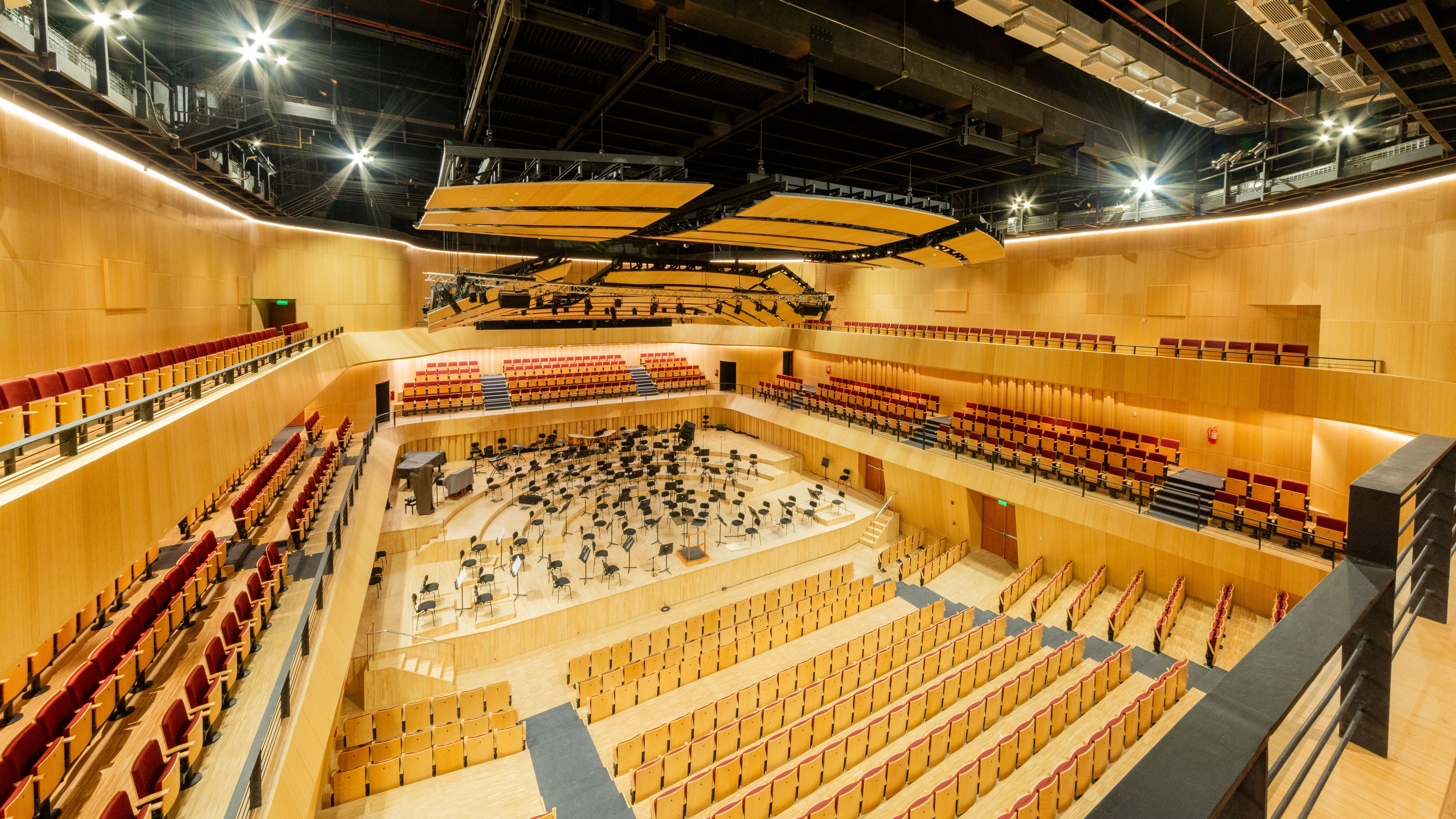
Here, architectural lighting is not an ornament, but an extension of the design thinking itself. The lines of light run along the balconies, walls, and galleries, defining the contours of the hall and giving it a living, ever-changing atmosphere. From any vantage point - whether from the stalls, the upper galleries, or the central courtyard - the visitor perceives how the space subtly transforms, revealing different forms drawn solely with light.
Current technology allows for this flexibility: LED profiles, hidden within architectural details, disappear from sight, leaving only the intangible presence of light. The observer never sees the source - only its effect. It is an architecture that is felt more than seen, one that breathes and transforms with every gaze.
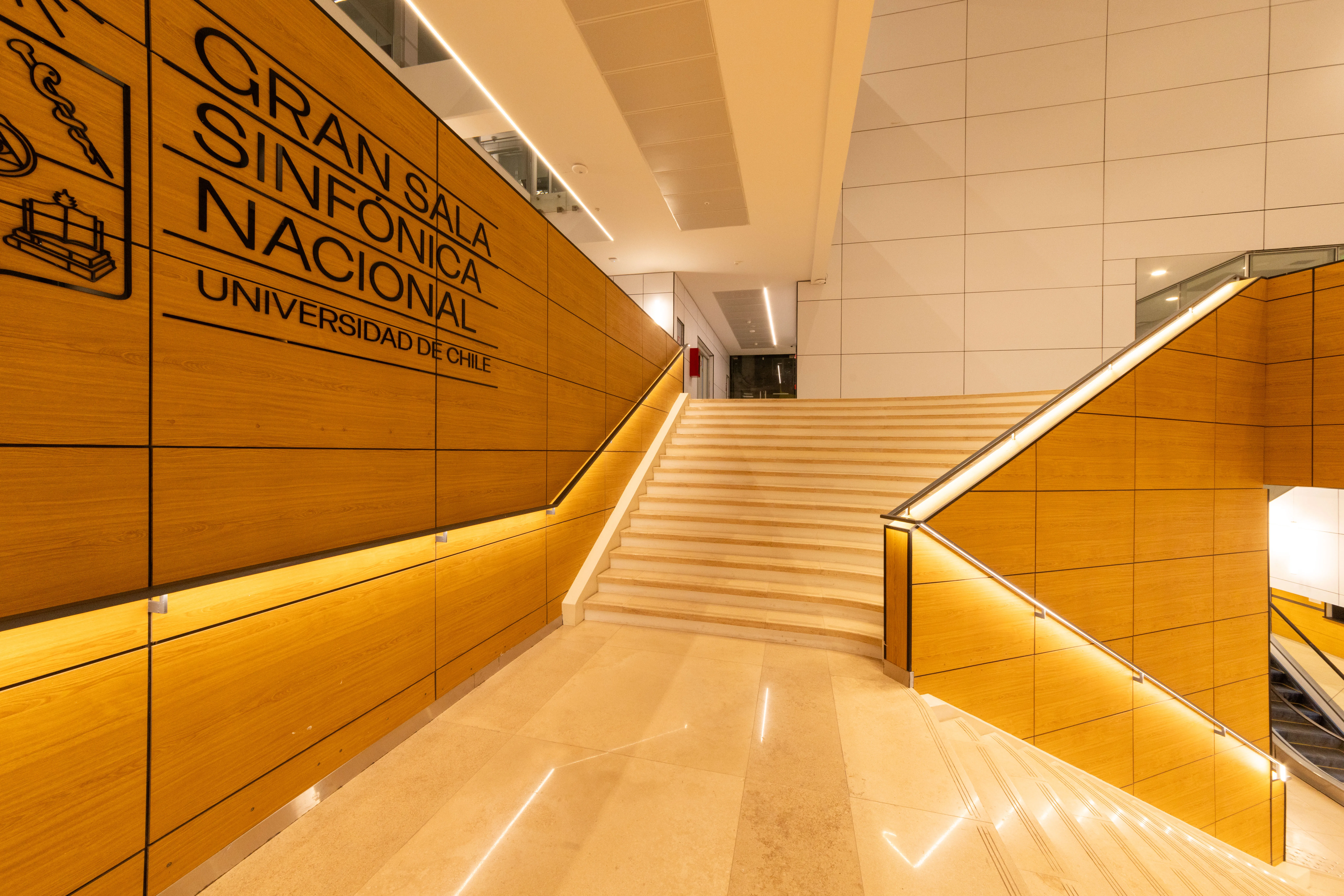
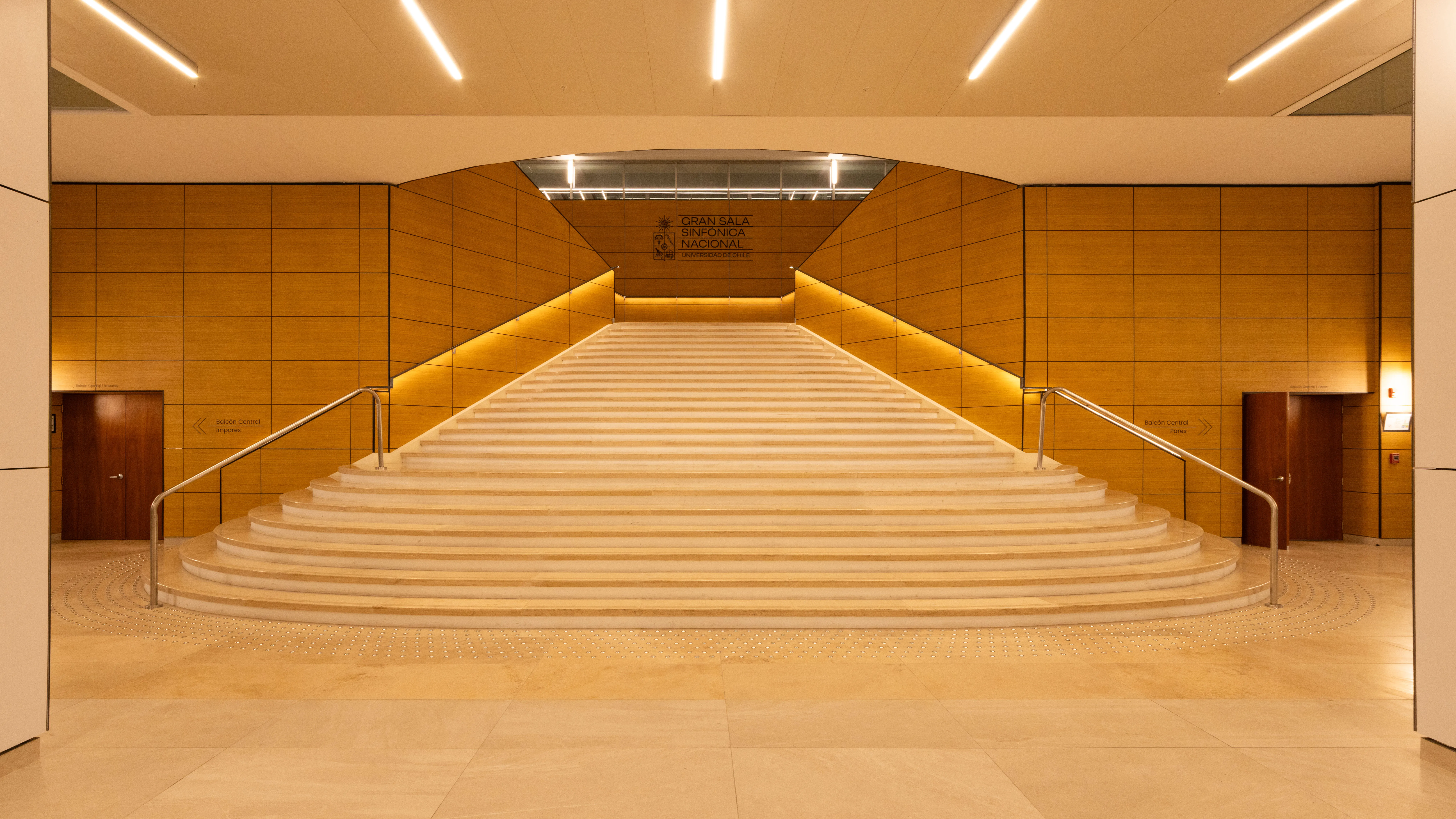
Warm color temperatures emphasize the noble grain of the wood, revealing its texture and depth. Light, cast at grazing angles, caresses the materials, enhancing their natural character and contributing to the acoustic quality of the space. Although the hall does not incorporate an artificial sound control system, its design achieves a perfect balance of visibility, warmth, and reverberation, creating the ideal twilight ambiance for any musical or stage performance.
The theater's access areas extend this luminous concept: illuminated railings gently guide visitors toward the main hall. In the grand central hall, the restored façade of the former building comes alive once again through light, which highlights its reliefs and neoclassical majesty, evoking the memory of Santiago's historic splendor.
With multiple entrances - from Parque Bustamante and Avenida Vicuña Mackenna, one of the city's main urban arteries - VM20 integrates seamlessly into the urban fabric as an open, vibrant, and luminous space. This is architecture that does not impose itself but rather converses with the city, inviting the community to inhabit the light, trace the geometry, and experience space as a living extension of thought and creativity.