Blog
Outdoor Recessed Downlights: IP65 Rated for Weatherproof Performance
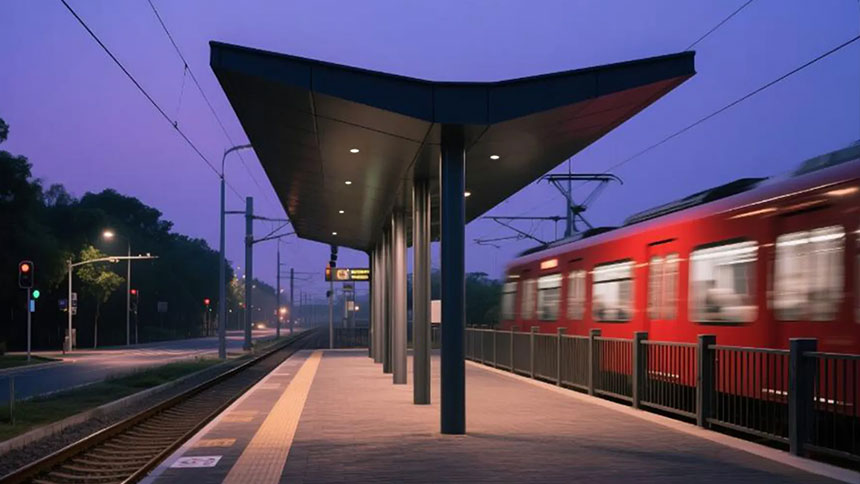
Outdoor Recessed Downlights: IP65 Rated for Weatherproof Performance

Joyce Alva.UpdatedFebruary 26, 2026|9 mins Read
Downlights in Everyday Life
Downlights are one of the most familiar lighting fixtures in our daily lives. Whether we consciously notice them or not, they quietly shape the atmosphere of countless interior spaces. From luxury hotels and private mansions to villas, museums, galleries, offices, and residential homes, downlights have become an essential element of modern lighting design.
One of the key reasons downlights are so widely used is their clean and unobtrusive appearance. Installed flush with the ceiling, recessed downlights integrate seamlessly into architectural surfaces. They allow designers to illuminate a space without visually overwhelming it with bulky fixtures. This "light without seeing the lamp" effect aligns perfectly with contemporary design preferences that emphasize simplicity, clarity, and spatial purity.
Another important reason for their popularity is lighting comfort. Downlights are typically designed to provide controlled, downward illumination, which makes them ideal for general ambient lighting or accent lighting. With proper optical design, they can reduce glare, distribute light evenly, and create a calm, comfortable visual environment. This is especially important in places such as hotels, museums, and high-end residences, where lighting directly affects user experience and emotional perception of the space.
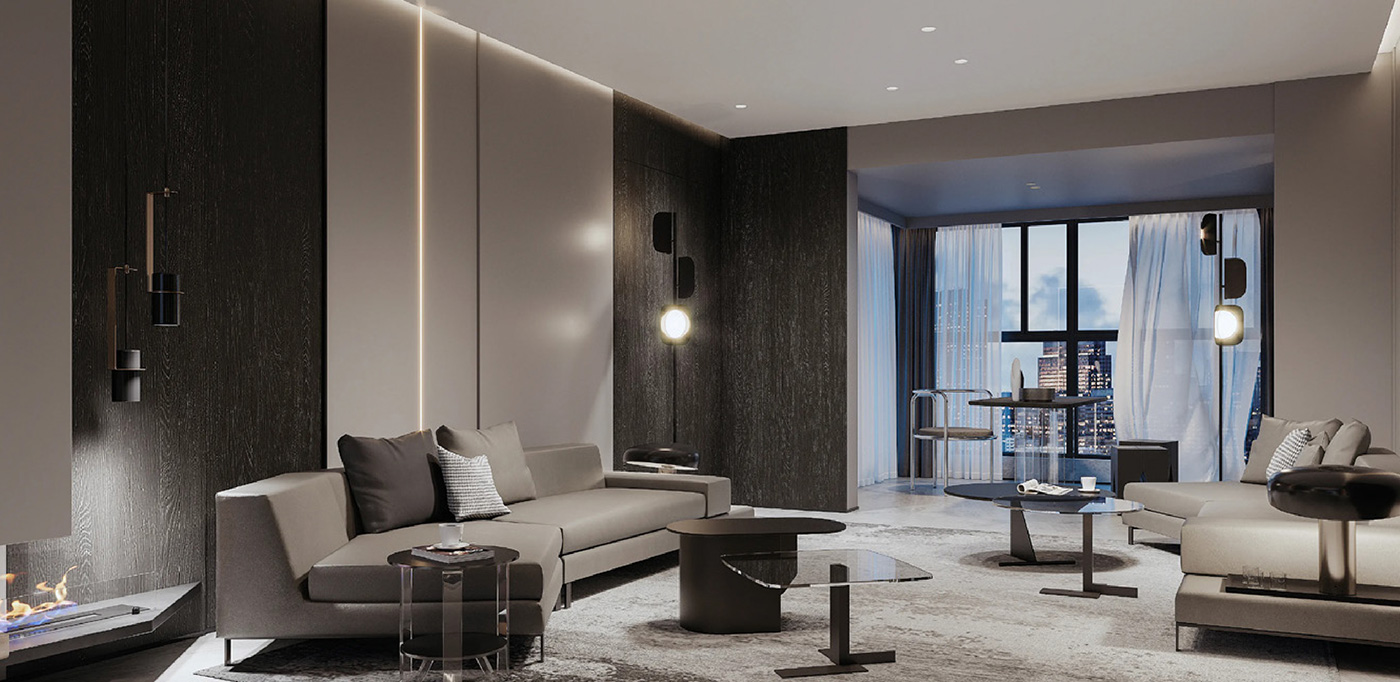
Downlights are also highly valued for their versatility. By adjusting beam angles, color temperatures, and lumen outputs, the same type of downlight can be used for very different purposes: highlighting artwork in a museum, providing soft ambient light in a hotel corridor, or delivering functional illumination in a living room or study. This flexibility makes downlights a favorite tool for lighting designers who want precise control over spatial hierarchy and visual focus.
Energy efficiency and technological maturity further contribute to their widespread adoption. With the advancement of LED technology, modern downlights offer high luminous efficacy, long lifespan, and stable performance. Compared to traditional lighting solutions, they significantly reduce energy consumption and maintenance costs, making them attractive not only from a design perspective but also from an operational one.
In short, downlights are welcomed indoors because they combine aesthetic restraint, visual comfort, functional flexibility, and efficiency - qualities that perfectly match the demands of modern interior environments.
For more information on choosing LED downlights for indoor lighting, please refer to the article "Product Recommendation: IP54-rated, Tunable White, Dimmable LED Downlights."
Why Downlights Were Traditionally Used Indoors, and Why That Is Changing
Why Downlights Were Traditionally Indoor Fixtures
Despite their many advantages, downlights were for a long time considered almost exclusively indoor lighting fixtures. This was not a coincidence, but a result of their traditional design features and limitations.
First, protection against environmental factors was a major constraint. Conventional downlights were typically rated at IP20 or IP44, which is sufficient for dry indoor environments but inadequate for outdoor exposure. Rain, humidity, dust, temperature fluctuations, and condensation can easily damage light sources, drivers, and internal components. As a result, early downlights were simply not built to survive long-term outdoor use.
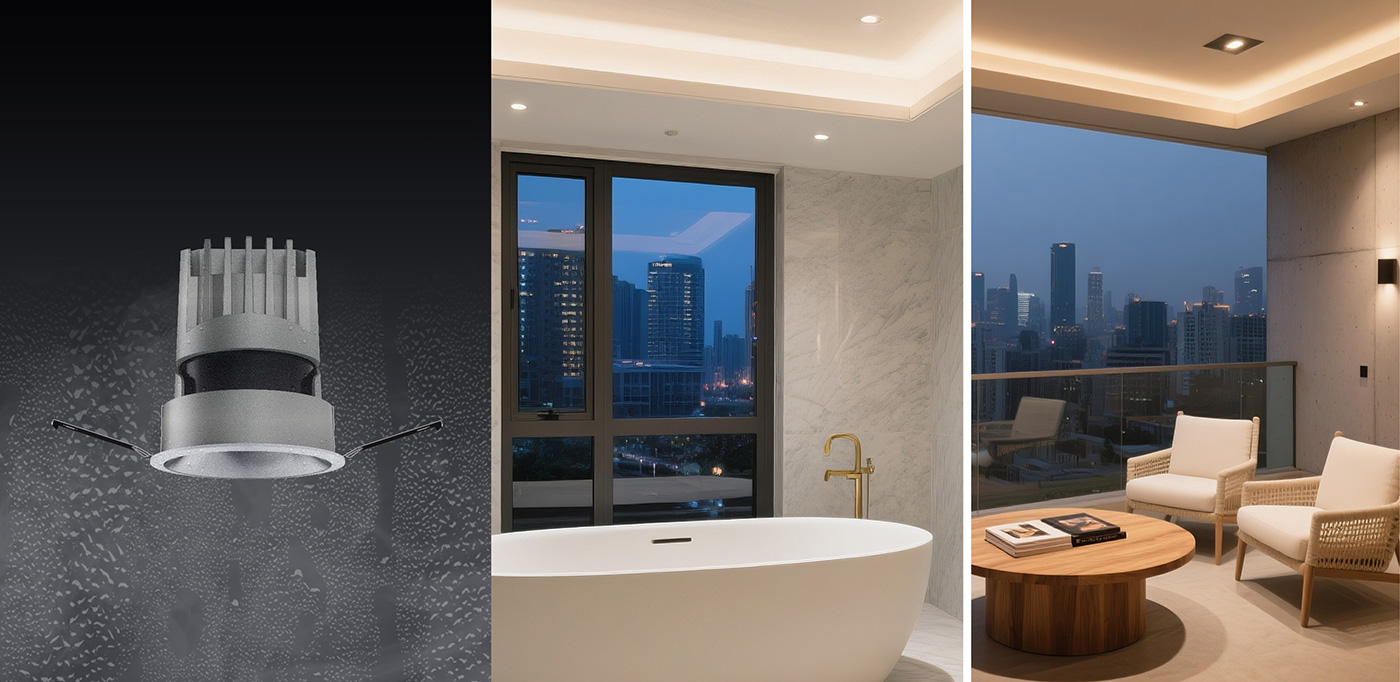
Second, the installation method of downlights made them less suitable for outdoor spaces. Downlights are recessed fixtures that require a ceiling cavity. Indoors, this is easily achieved with suspended ceilings, gypsum boards, or modular ceiling systems. Outdoors, however, ceilings are often made of solid concrete, stone, or metal, leaving little space for recessed installation. This increased construction complexity and cost, discouraging their use in exterior environments.
Third, the functional focus of traditional outdoor lighting differed from that of indoor lighting. Outdoor lighting historically prioritized visibility and safety over comfort and aesthetics. Floodlights, wall-mounted luminaires, bollards, and pole lights were favored because they could deliver high brightness over large areas. Downlights, which emphasize controlled and refined illumination, did not align with the "brighter is better" mindset that once dominated outdoor lighting design.
Together, these factors explain why downlights were long seen as an indoor-only solution.
Why Downlights Are Now Frequently Used Outdoors
In recent years, this boundary between indoor and outdoor lighting has begun to dissolve. Several powerful trends have driven the increasing adoption of downlights in exterior applications. The increasing use of downlights in outdoor applications is not a coincidence. It is the result of a shift in lighting design philosophy combined with real technological progress. Together, these two forces have redefined what outdoor lighting is expected to achieve - and what types of luminaires are suitable for it.
Outdoor Spaces Have Been "Indoorized"
Today's outdoor spaces are no longer designed with the simple goal of basic illumination. Many exterior and semi-exterior areas are now treated as extensions of interior space, both functionally and experientially.
Typical examples include hotel entrances and exterior corridors, commercial streets and arcades, architectural "grey spaces" that sit between indoors and outdoors, as well as eaves, canopies, and covered walkways. Although these spaces are technically outdoors, the way people use them - and the expectations they have for comfort - are much closer to indoor environments.
As a result, lighting designers naturally ask a familiar indoor question:
Can the light be integrated into the architecture, so that the fixture itself disappears and only the light remains? Recessed downlights provide a clear answer. Their ability to be concealed within ceilings while delivering controlled illumination makes them an ideal solution for these indoor-like outdoor spaces.
Higher Demands for Visual Tidiness
Modern architecture places increasing emphasis on visual clarity and restraint. Exposed luminaires, surface-mounted fixtures, and bulky housings can easily disrupt clean ceiling planes and architectural lines.
Compared with floodlights or surface-mounted outdoor luminaires, downlights offer distinct advantages:
- They are visually discreet;
- Ceilings remain clean and uncluttered;
- Architectural lines are not interrupted;
In high-end commercial projects, hotels and resorts, and public buildings, "not seeing the luminaire" has itself become a design objective. Recessed downlights support this goal by allowing light to shape the space without drawing attention to the fixture.
Technology Has Truly Caught Up
Technological advancement is the key factor that has made outdoor downlights viable on a large scale. Today’s outdoor-rated downlights are fundamentally different from traditional indoor versions.
Modern designs incorporate:
- IP65 or IP67 ingress protection;
- Corrosion-resistant coatings for coastal or high-humidity environments;
- More stable and durable LED drivers;
- Improved thermal management structures;
- Precise optical control with glare reduction;
These improvements mean that downlights can now withstand rain, dust, temperature changes, and long-term outdoor exposure. From a technical standpoint, the limitations that once confined downlights to indoor use have largely been removed.
Outdoor Lighting Has Shifted from "Bright" to "Refined"
The role of outdoor lighting has evolved significantly. In the past, outdoor lighting was mainly about visibility - ensuring that paths, entrances, and open areas were sufficiently bright.
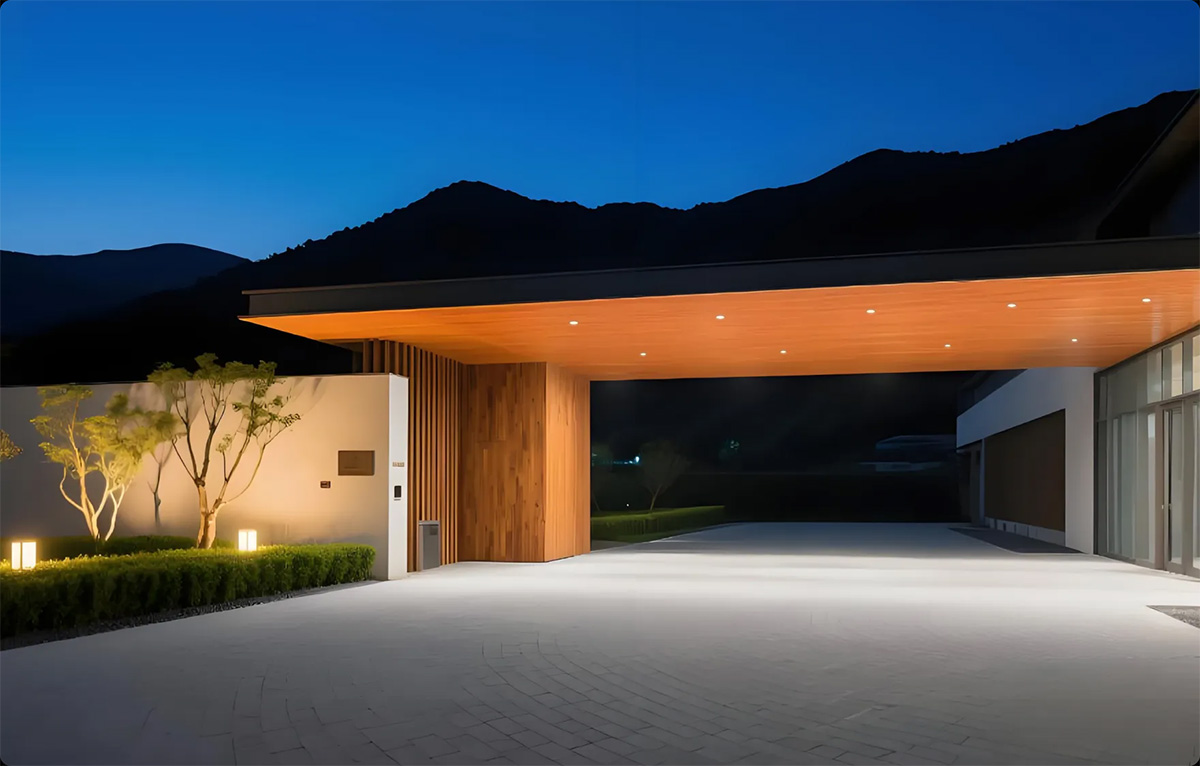
Today, outdoor lighting is increasingly about experience, layering, atmosphere, and brand identity. Designers pay more attention to how light supports human perception and emotional comfort.
For example:
- Under-eave areas may combine wall washing with downlight accents.
- Entrance canopies often use low-glare downlights to provide comfortable facial illumination.
- Outdoor dining or commercial seating areas rely on warm-toned downlights to create a welcoming atmosphere.
In these scenarios, downlights excel at delivering subtle, controlled, and human-centered illumination - something that traditional outdoor floodlighting struggles to achieve.
Downlights were once considered indoor fixtures because they were sensitive to environmental conditions, difficult to install outdoors, and designed primarily for visual comfort. Today, as outdoor spaces are redefined, design becomes more restrained, and technology reaches a new level of maturity, downlights have naturally expanded into outdoor applications.
Essential Features of Outdoor Recessed Downlights
To perform reliably and safely outdoors, recessed downlights must meet much higher technical and structural requirements than their indoor counterparts.
High ingress protection is fundamental.
An outdoor recessed downlight must be rated at least IP65 to withstand rain, dust, and moisture. This level of protection ensures that water jets from any direction will not compromise the internal components, significantly extending the product's lifespan in outdoor environments.
Durable and corrosion-resistant materials are essential.
Outdoor installations expose luminaires to UV radiation, temperature variations, and sometimes salt spray or pollution. Housing materials such as high-quality aluminum with anti-corrosion coatings are critical to maintaining both structural integrity and appearance over time.
Reliable thermal management is crucial.
Outdoor conditions can be unpredictable, with extreme heat during the day and cooler temperatures at night. Efficient heat dissipation ensures stable LED performance, prevents lumen depreciation, and protects electronic drivers from premature failure.
Optical control and visual comfort cannot be overlooked.
Even outdoors, glare control is important - especially in hospitality and commercial settings where people gather and interact. Well-designed reflectors, diffusers, and recessed light sources help deliver comfortable illumination while avoiding harsh glare.
Installation adaptability adds real-world value.
Outdoor recessed downlights should be designed with flexible mounting options and clear installation tolerances to accommodate different ceiling structures, including concrete and metal surfaces. Ease of installation and maintenance can significantly reduce project costs and complexity.
COLORS Lighting's Downlights - Brook Series Recessed Downlights
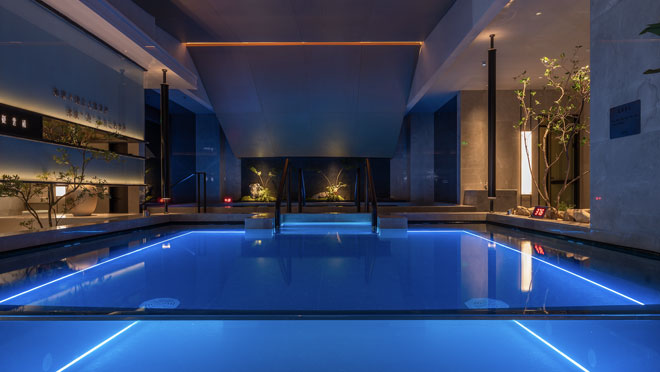
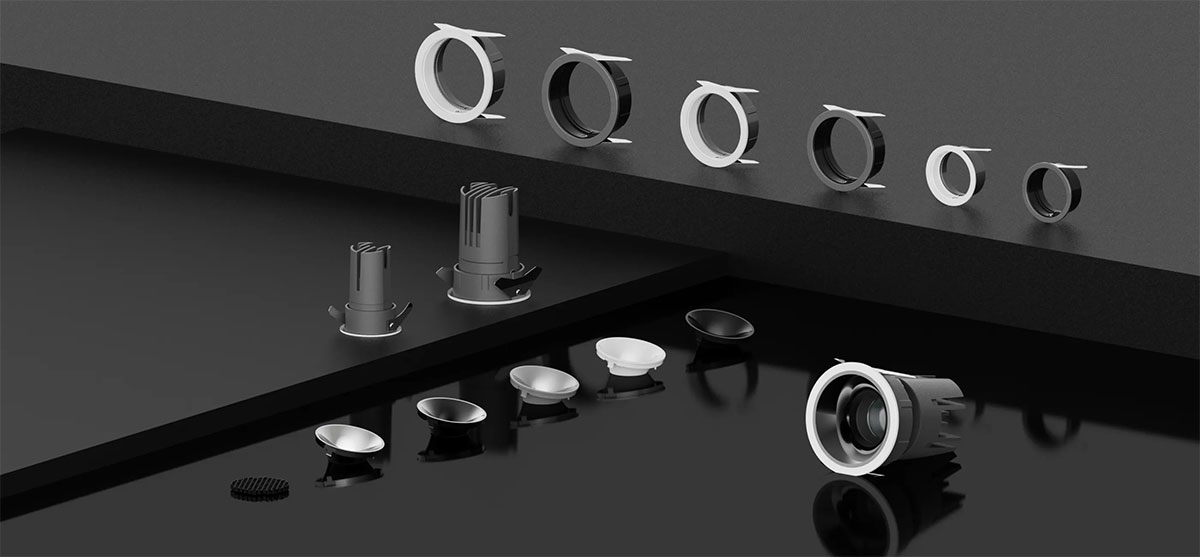
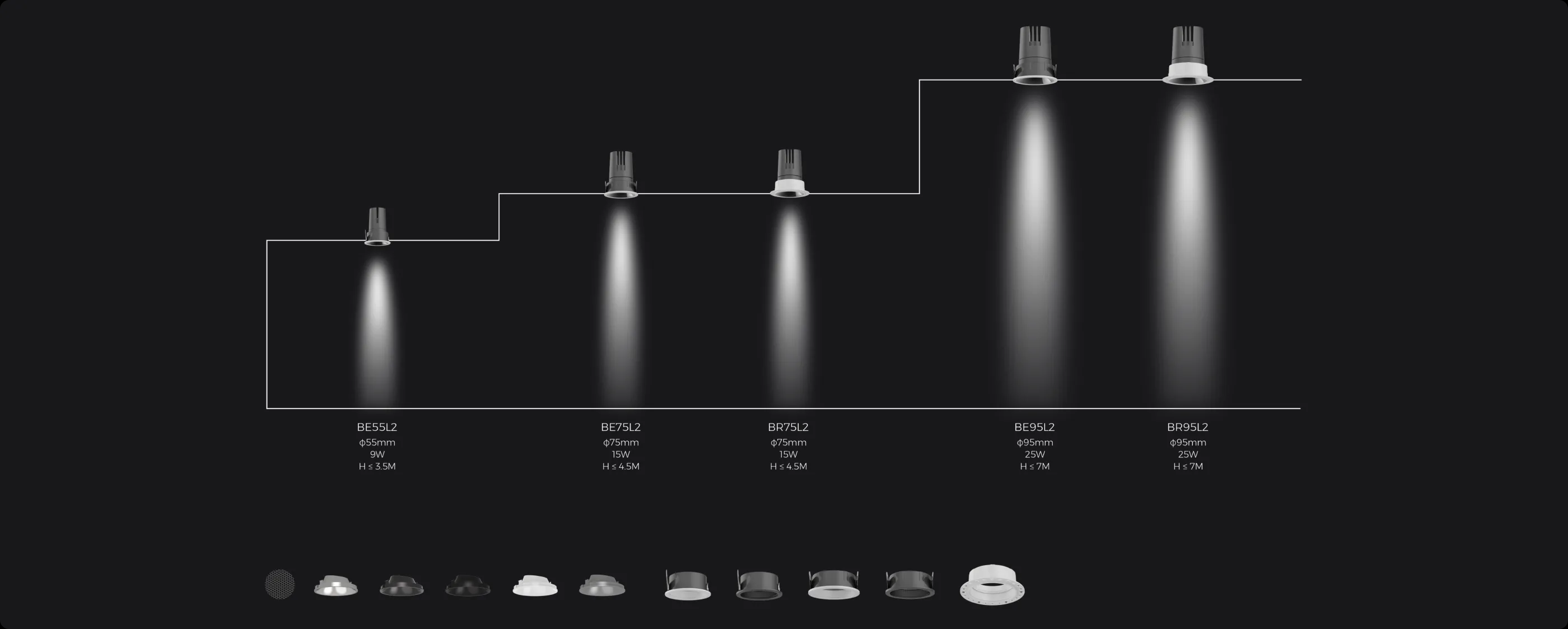
Brook Series is an adjustable recessed downlight with IP65 protection, suitable for indoor and outdoor scenarios like walkways, airports, parking lots, and swimming pools. The recessed part is shielded by a metal casing, and the pre-wired LED Power supply shares the same IP65 rating. It features excellent anti-glare performance, precise spot effect, high luminous efficiency, and flexible optical configurations, offering optimal lighting solutions for high-standard spaces.
Product Details
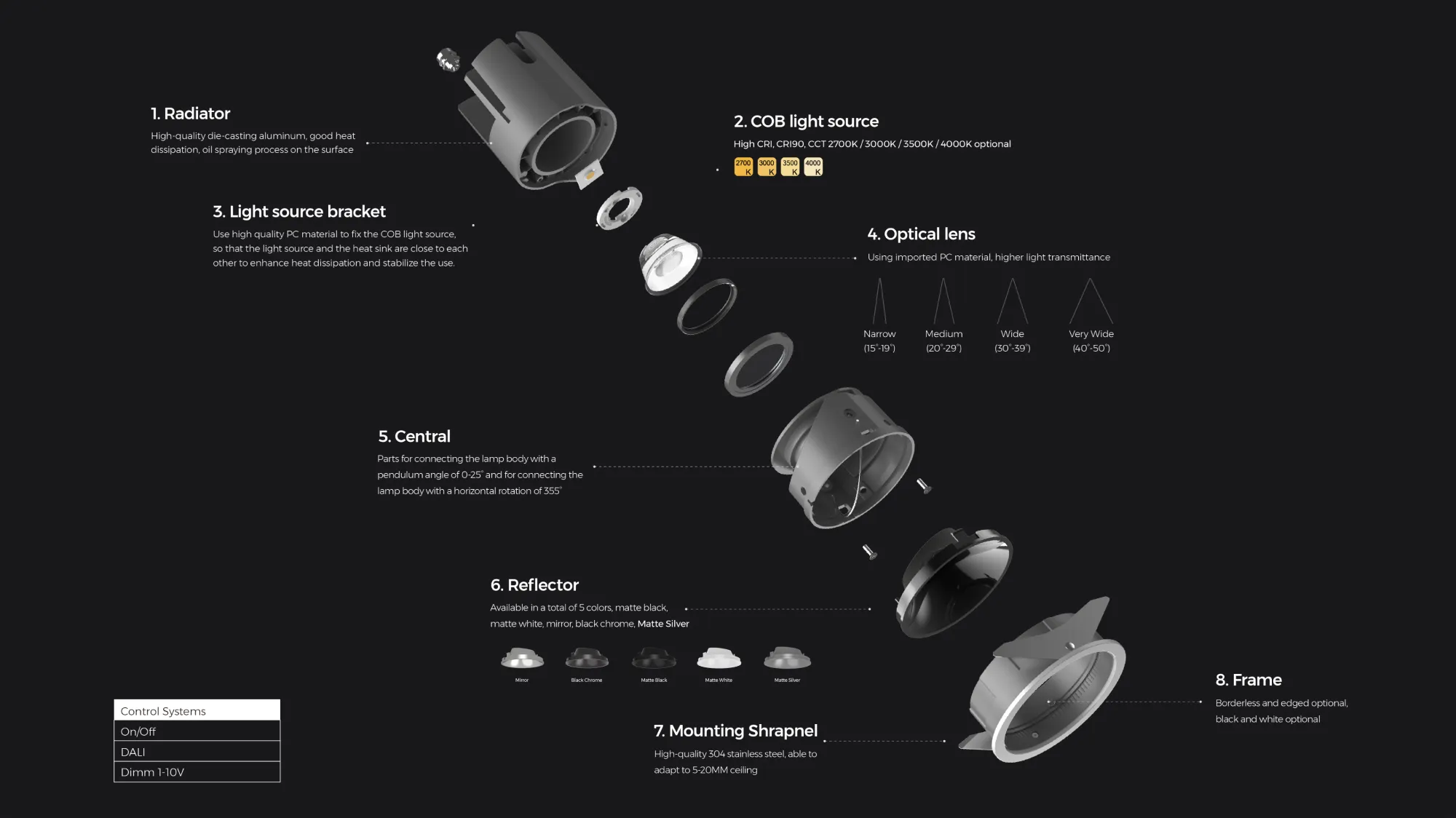
- Radiator: High-quality die-casting aluminum, good heat dissipation, and an oil-spraying process on the surface.
- COB light source: High CRI, CRI90, CCT 2700K / 3000K / 3500K / 4000K, optional.
- Light source bracket: Use high-quality PC material to fix the COB light source, so that the light source and the heat sink are close to each other to enhance heat dissipation and stabilize the use.
- Optical lens: Using imported PC material, higher light transmittance
- Centra: Parts for connecting the lamp body with a pendulum angle of 0-25° and for connecting the lamp body with a horizontal rotation of 355°
- Reflector: Available in a total of 5 colors, matte black, matte white, mirror, black chrome, Matte Silver
- Mounting Shrapnel: High-quality 304 stainless steel, able to adapt to 5-20MM ceiling
- Frame: Borderless and edged optional, black and white optional
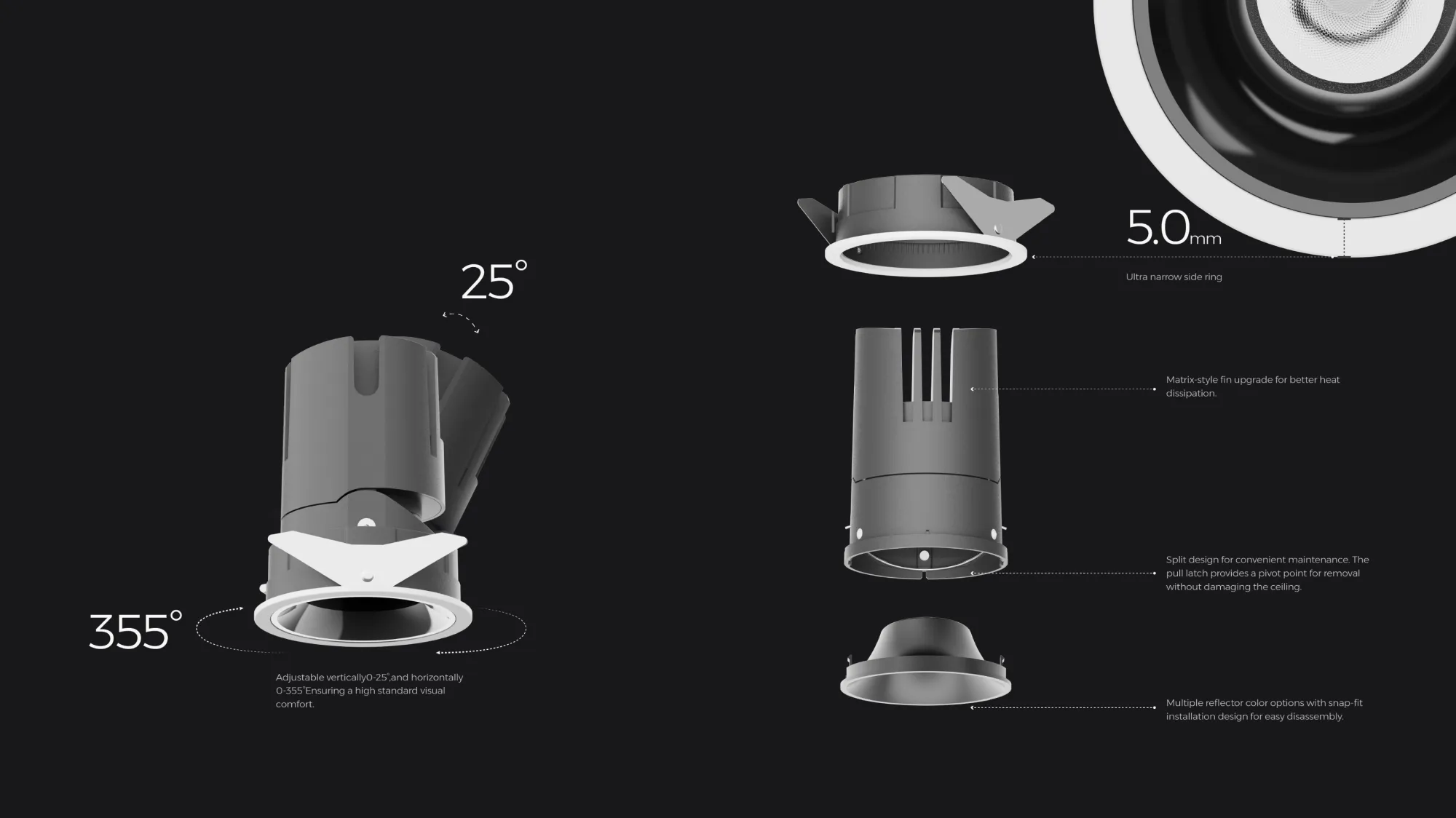
Split Design
Easy Installation: The frame can be installed independently, and the luminaire can be easily secured to the frame using spring balls.
Easy maintenance: When replacing the light source, the main body can be easily detached without damaging the ceiling.
Free combination: The luminaire is compatible with both recessed and non-decorative recessed frames, making it very inventory-friendly.
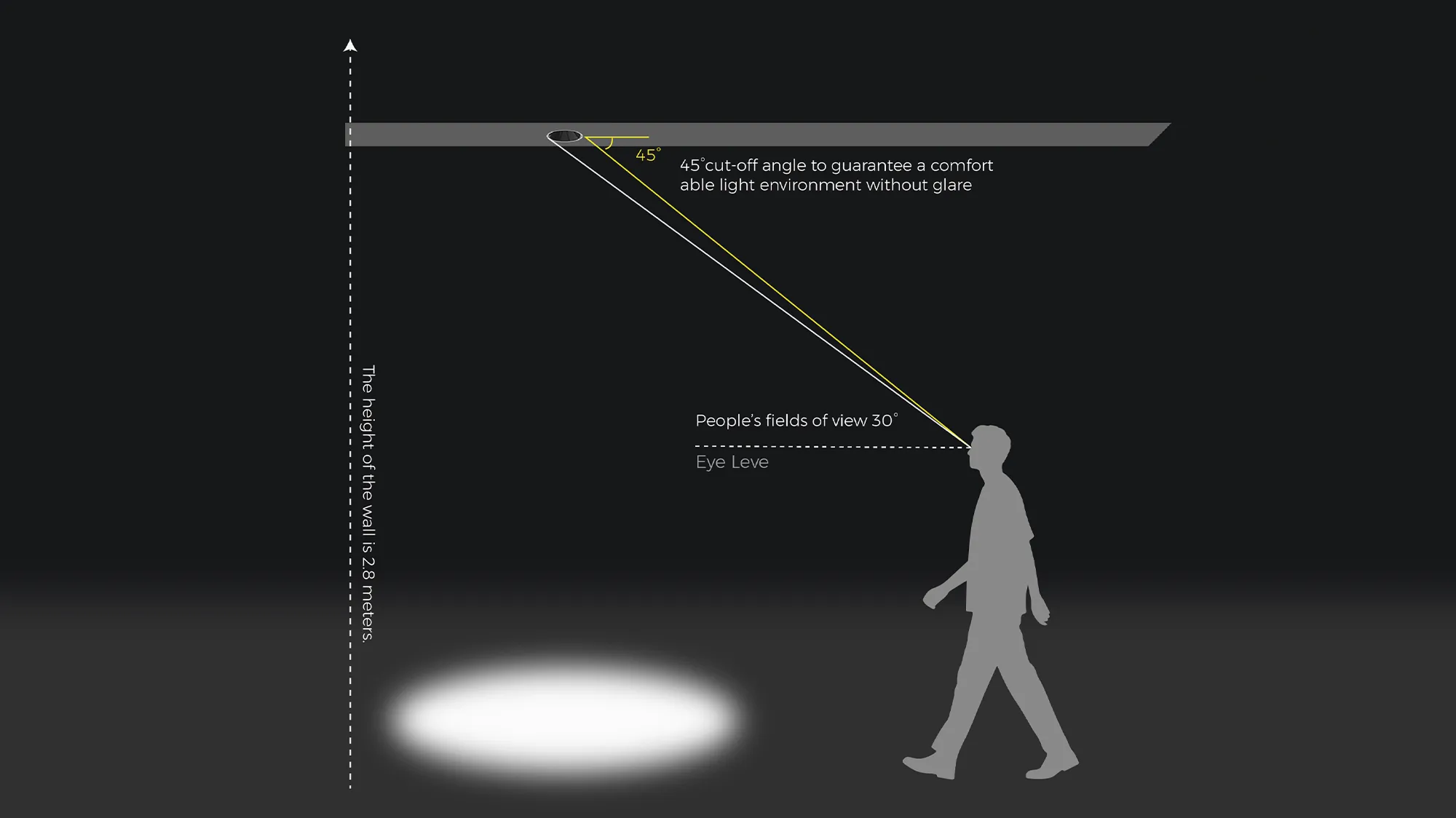
Deep Anti-glare Dark Light Technology
Minimum UGR ≤ 1
Patented Lens Design
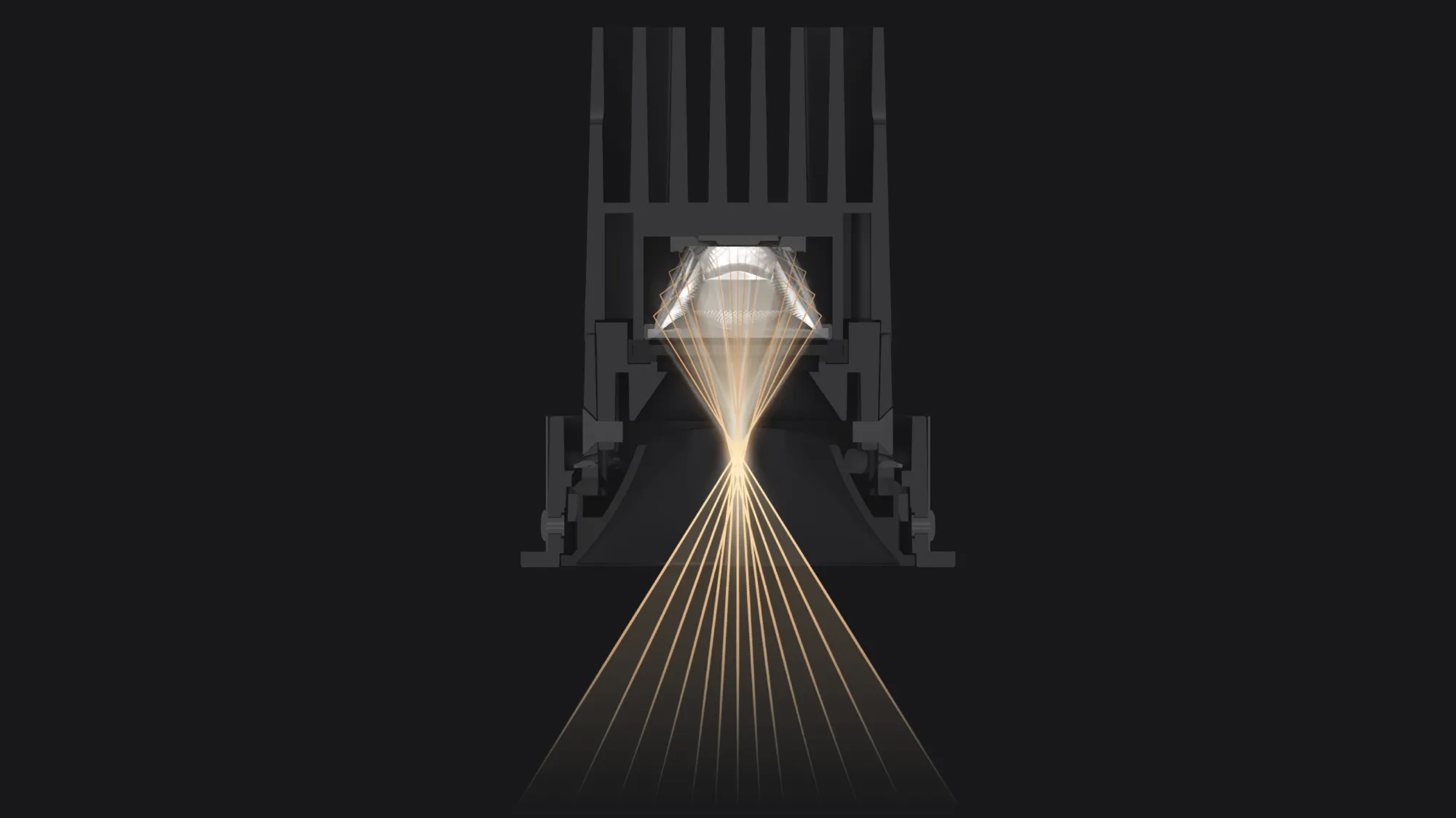
Using cross-light-path topology and reconstructing free-form optical systems, precise light field control is achieved via ray tracing algorithms.
Using cross-light-path topology and reconstructing free-form optical systems, precise light field control is achieved via ray tracing algorithms.
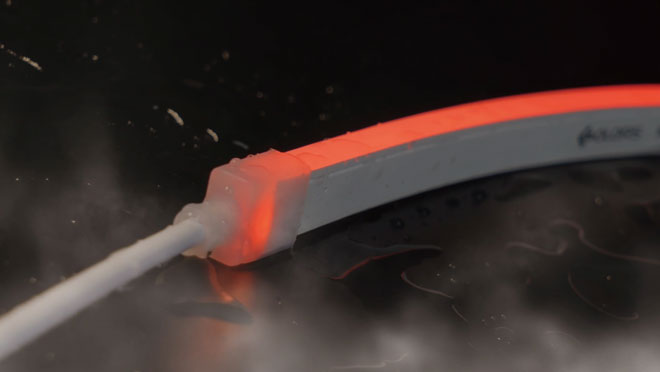
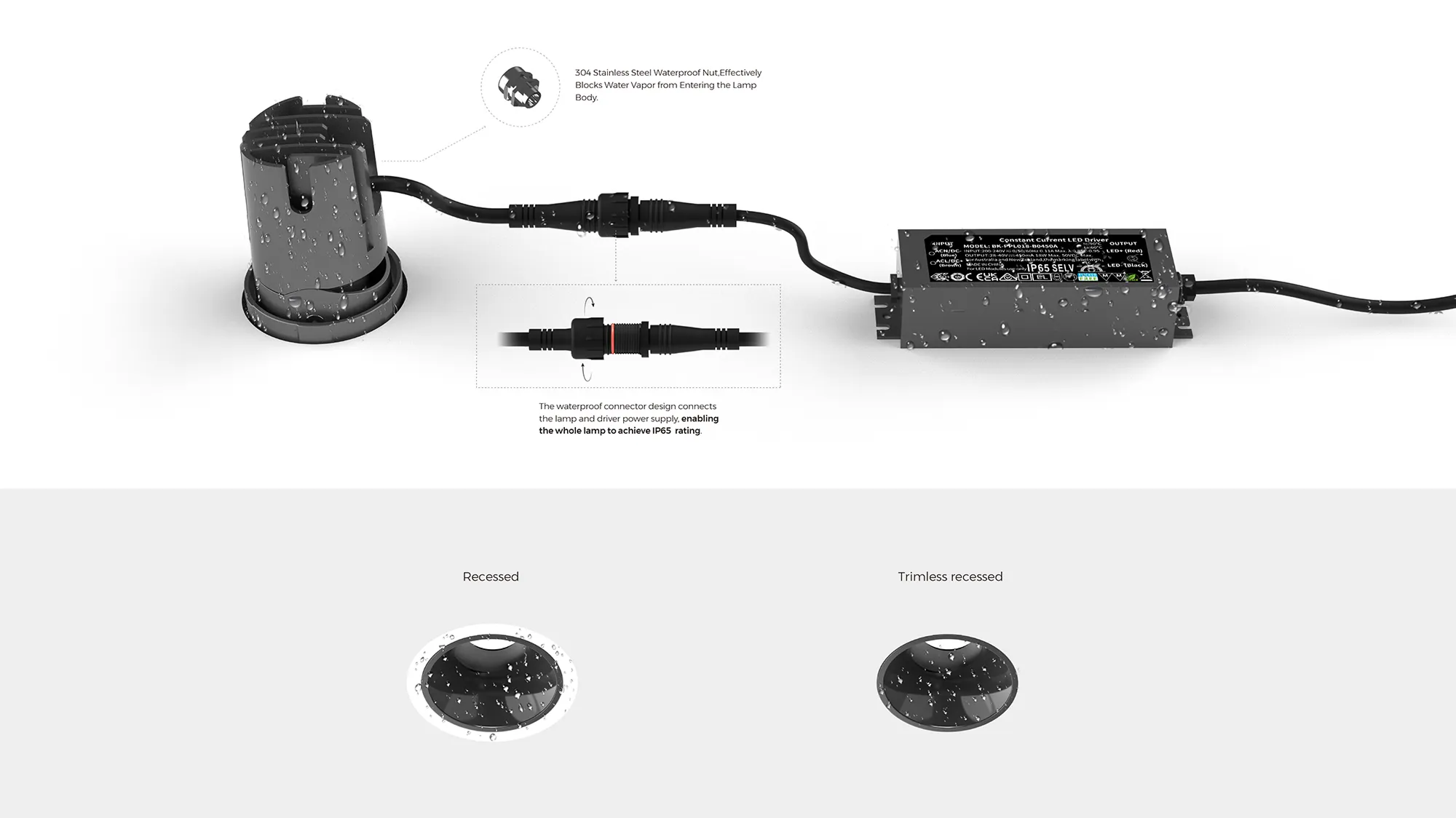
IP65 Protection for Luminaire-Driver System
Ideal for Indoor/Outdoor Use in Moist & Dust Environments
Ideal for Indoor/Outdoor Use in Moist & Dust Environments
Application Principle
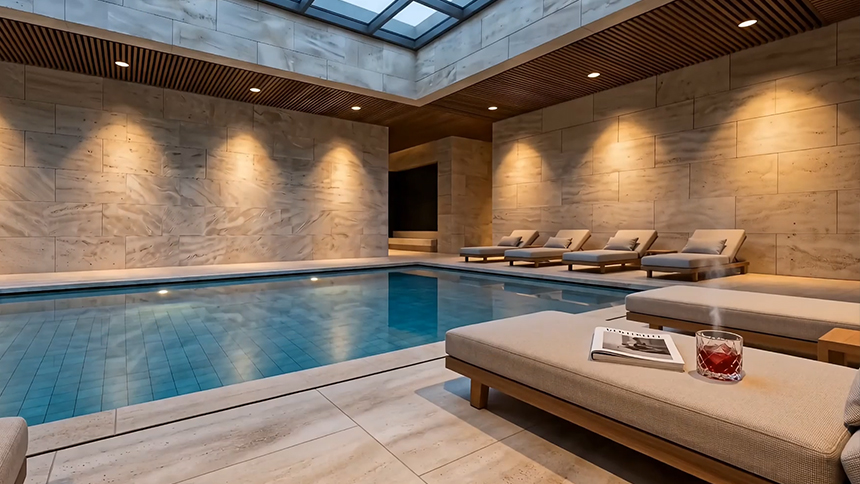
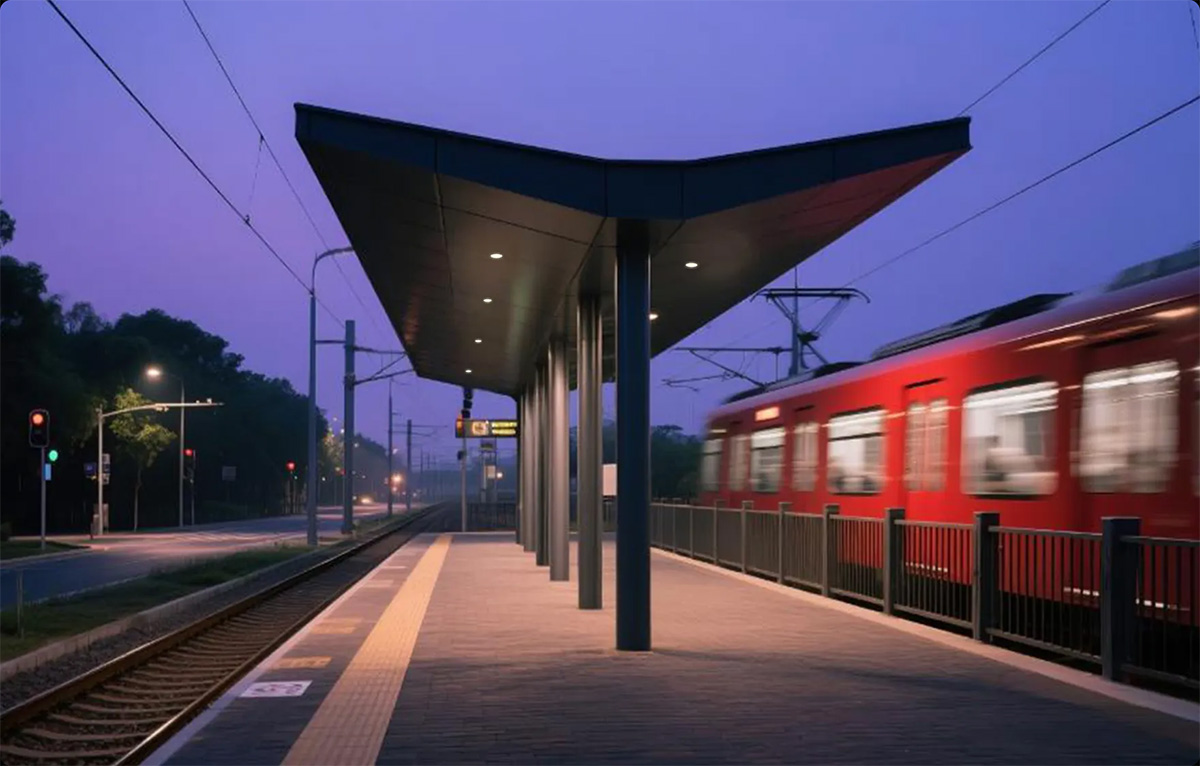
By combining reliable weatherproof performance with refined lighting aesthetics, the Brook Series is developed to address both the environmental challenges of outdoor use and the visual requirements of contemporary architectural lighting. It allows designers to achieve clean ceiling integration while delivering controlled, comfortable illumination in outdoor spaces.
Conclusion
Downlights have long been a cornerstone of indoor lighting, valued for their comfort, versatility, and architectural integration. Traditionally limited by environmental and technical constraints, they were rarely considered for outdoor use.
Today, however, changing design philosophies and technological advancements have redefined what downlights can achieve. As outdoor spaces become more refined, human-centered, and visually disciplined, the demand for recessed, high-performance lighting solutions continues to grow. Outdoor recessed downlights with IP65-rated weatherproof performance represent this evolution. They bring indoor-level comfort and aesthetic control into exterior environments, enabling designers to create cohesive, elegant lighting experiences across boundaries.
With solutions like the Brook Series, COLORS Lighting demonstrates how thoughtful design and engineering can expand the role of downlights - transforming them from purely indoor fixtures into powerful tools for modern outdoor lighting design.
If you are still unsure how to choose recessed downlights for indoor and outdoor use, please refer to the article "Commercial Recessed Downlights for Hospitality Lighting Design."