Blog
Waterproof LED Strips for Saunas: Heat-Resistant & Long-Lasting
Waterproof LED Strips for Saunas: Heat-Resistant & Long-Lasting

Joyce Alva.UpdatedJanuary 16, 2026|9 mins Read
A Timeless Way to Relax, Where Lighting Becomes the Soul of the Space
In today's fast-paced world, finding moments of true relaxation has become increasingly important. Among the many ways people choose to unwind, the sauna stands out as one of the most timeless and widely appreciated methods. Originating centuries ago and deeply rooted in cultures such as Finland, saunas have evolved from traditional wooden rooms heated by stones into modern wellness spaces found in homes, hotels, spas, gyms, and wellness resorts around the world.
At its core, a sauna is more than just a heated room. It is a sanctuary - a place where heat, silence, and sensory balance work together to calm the body and mind. People enter a sauna not only to sweat, but to disconnect, to breathe deeply, and to reset both physically and mentally. The experience is holistic, involving temperature, humidity, scent, sound, and - critically - light.
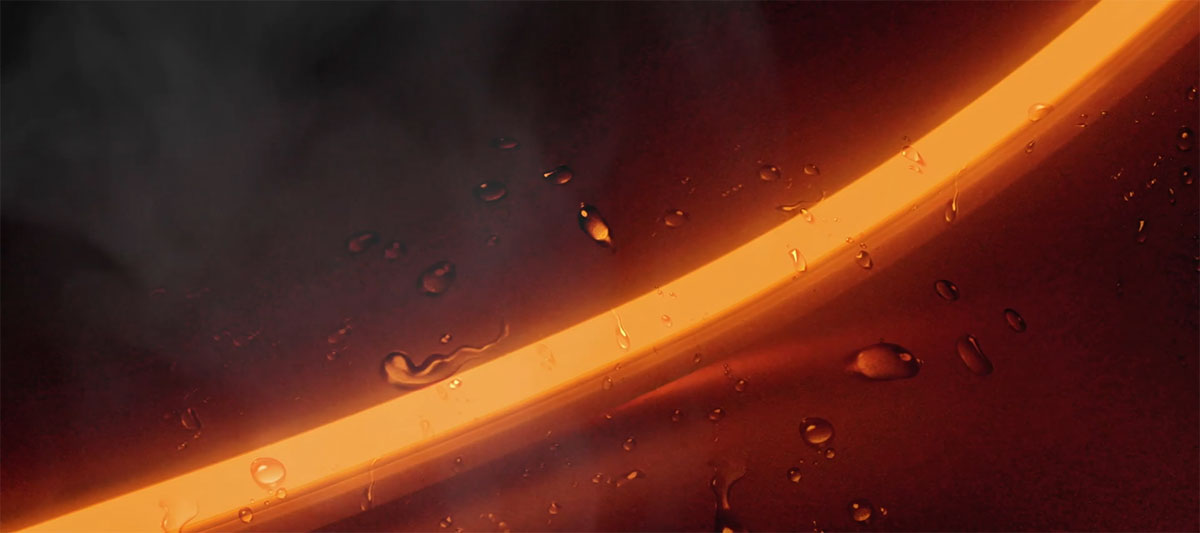
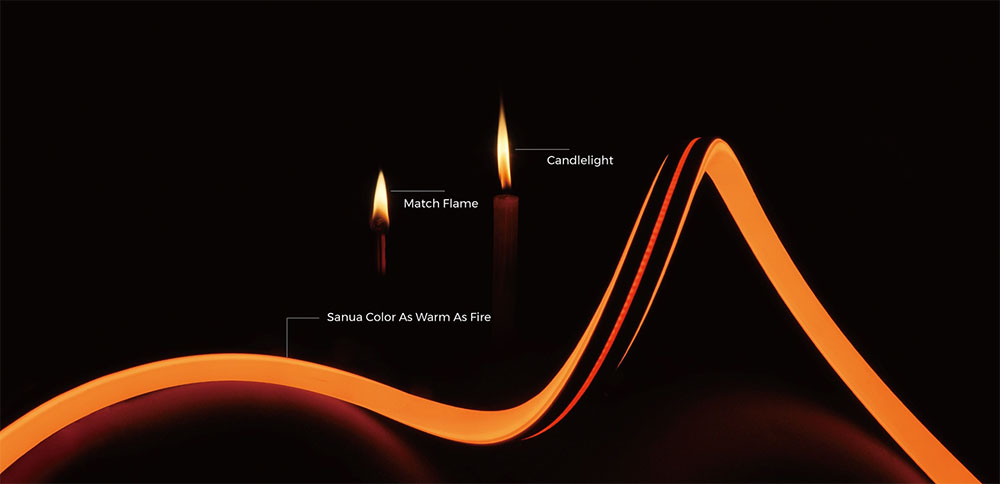
Among all these elements, lighting plays a uniquely powerful role. Unlike furniture or decorative materials, light directly interacts with human perception and emotion. The color temperature, brightness, uniformity, and softness of light can significantly influence how relaxed or tense a person feels inside a sauna. Warm, gentle lighting encourages calmness, slows the heart rate, and helps the body ease into relaxation. Harsh, cold, or flickering light, on the other hand, can disrupt the experience entirely, making the space feel uncomfortable or even stressful.
In sauna environments, lighting is not merely functional. It is atmospheric. It shapes how wooden textures appear, how steam diffuses through the air, and how shadows create depth and intimacy. Indirect lighting hidden behind benches, backrests, or architectural details is often preferred, as it avoids glare and creates a soothing, enveloping glow. This is why LED strip lighting has become one of the most popular LED lighting solutions for modern saunas.
However, installing lighting in a sauna is not the same as lighting any other interior space. Saunas present extreme conditions - high temperatures, intense humidity, water exposure, and long operating hours. Standard lighting products simply cannot survive in such an environment. This is where waterproof LED strips designed specifically for sauna use become essential.
To truly support relaxation and peace, sauna lighting must be carefully engineered. It must deliver consistent, comfortable light while enduring conditions that would quickly damage ordinary LED products. Among all required characteristics, two stand above the rest: heat resistance and long-lasting performance. These two features are not optional upgrades - they are fundamental necessities for safe, reliable, and high-quality sauna lighting.
Essential Features Waterproof LED Strips Must Possess for Sauna Lighting
Designing lighting for a sauna is a technical challenge. Unlike living rooms, offices, or even bathrooms, saunas combine several extreme environmental factors into one confined space. As a result, waterproof LED strips used in saunas must meet a much higher standard than conventional LED lighting products.
1. High-Level Waterproof Protection
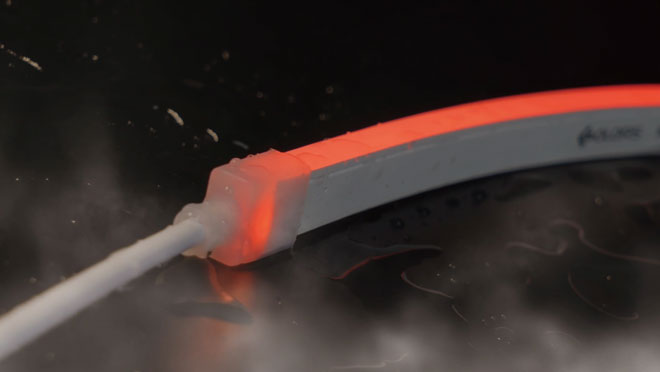
Saunas are environments where moisture is constant. Steam fills the air, condensation forms on surfaces, and water is frequently poured over heated stones. Any lighting installed in such a space must be able to withstand direct and indirect water exposure without allowing moisture to penetrate internal components.
This is why sauna LED strips typically require a high IP rating, such as IP65, IP67, or even IP68, depending on the installation location. Waterproofing prevents short circuits, corrosion, and electrical failure, ensuring both safety and longevity.
This is why sauna LED strips typically require a high IP rating, such as IP65, IP67, or even IP68, depending on the installation location. Waterproofing prevents short circuits, corrosion, and electrical failure, ensuring both safety and longevity.
2. Exceptional Heat Resistance
Temperatures inside a sauna can range from 70°C to over 100°C, and in some areas - especially near the ceiling or heaters - temperatures can be even higher. Standard LED strips are usually designed to operate at ambient temperatures below 40°C. Exposing them to sauna conditions can cause rapid degradation or immediate failure.
Heat resistance is therefore essential to maintain light output, color stability, and electrical safety under prolonged high-temperature exposure.
Heat resistance is therefore essential to maintain light output, color stability, and electrical safety under prolonged high-temperature exposure.
3. Stable Light Quality
In a sauna, lighting should be soft, uniform, and flicker-free. Any instability in light output can be distracting or uncomfortable. High-quality LED strips must maintain consistent brightness and color temperature even under thermal stress.
4. Electrical Safety and Low Voltage Operation
Safety is paramount in sauna lighting. Most sauna LED strips operate on low voltage (typically 12V or 24V) to reduce the risk of electric shock in humid conditions. Insulation, sealing, and material selection must all meet strict safety standards.
5. Durability and Long Lifespan
Sauna lighting installations are often concealed behind wooden structures or integrated into architectural elements. Frequent replacement is inconvenient, costly, and sometimes requires dismantling parts of the sauna. Therefore, long-lasting performance is a critical requirement.
Among all these features, heat resistance and long-lasting durability are the foundation upon which all other performance aspects depend. Without them, even the most waterproof or visually appealing LED strip will fail prematurely in a sauna environment.
Understanding "Heat-Resistant" and "Long-Lasting" Features in General
Before diving into technical details, it is important to understand what "heat-resistant" and "long-lasting" truly mean in the context of LED lighting.
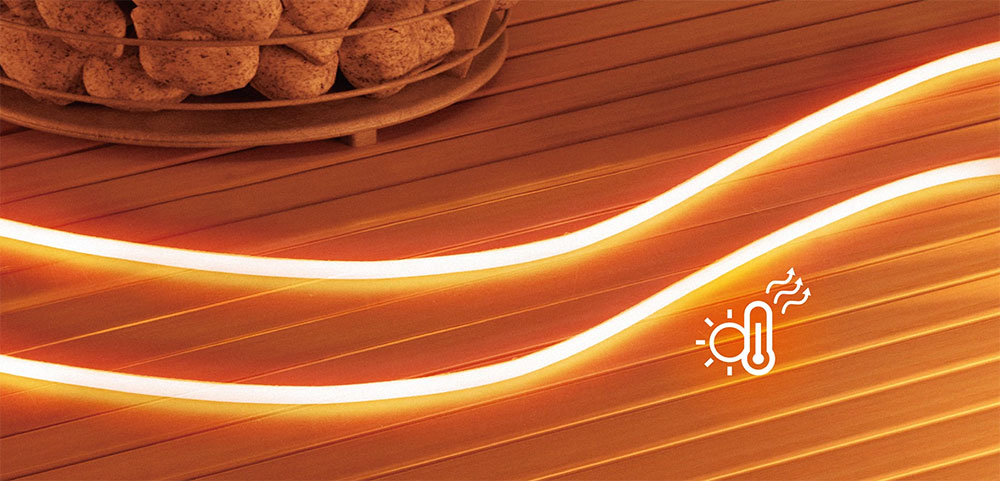
What Does "Heat-Resistant" Mean?
Heat resistance refers to a product's ability to operate reliably under elevated temperatures without suffering performance loss, structural damage, or safety risks. For LED strips, this involves multiple components working together:
LED chips that can tolerate high junction temperatures;
Encapsulation materials that do not yellow, crack, or deform;
PCB substrates that remain stable under heat;
Adhesives and sealants that do not fail or release toxic substances;
Adhesives and sealants that do not fail or release toxic substances;
Heat resistance is not about surviving short bursts of heat - it is about enduring continuous exposure over thousands of hours.
What Does "Long-Lasting" Mean?
Long-lasting performance means maintaining functionality, light quality, and safety over an extended lifespan. In LED lighting, lifespan is often measured by lumen maintenance (such as L70, meaning 70% of original brightness remains).
For sauna LED strips, longevity depends heavily on how well the product handles heat and moisture over time. A long-lasting LED strip does not merely "turn on" for years - it continues to deliver stable, safe, and visually pleasing light throughout its service life.
These two features are deeply interconnected. Poor heat management will dramatically shorten lifespan, while high heat resistance is one of the most important contributors to long-lasting performance.
Heat-Resistant Waterproof LED Strips – Why They Are Essential and How They Work
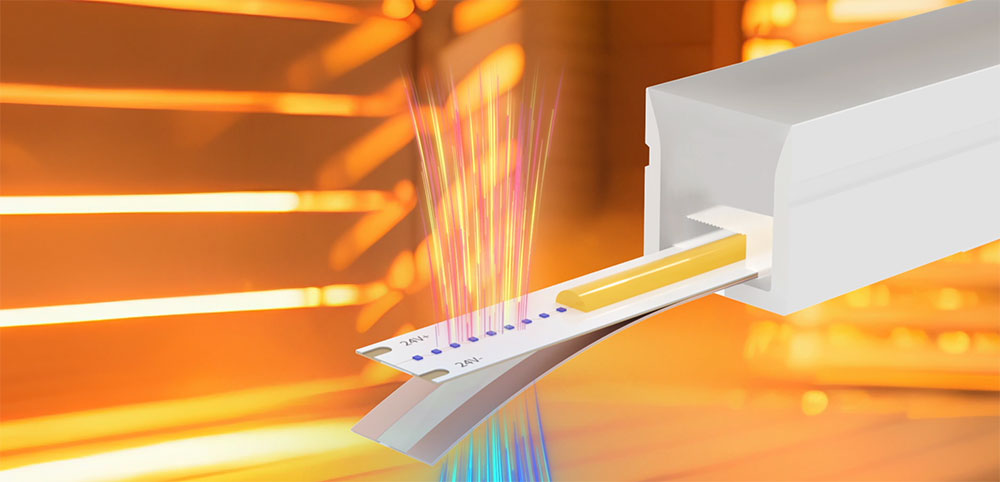
Why Heat Resistance Is Needed in Sauna Lighting
Heat is the most aggressive enemy of LED lighting. While LEDs are often praised for being "cool" light sources, the reality is that they still generate heat at the semiconductor level. In normal environments, this heat dissipates into the surrounding air. In a sauna, however, ambient temperatures are already extremely high, leaving little room for heat dissipation.
Without sufficient heat resistance, several problems can occur:
Rapid lumen depreciation;
Color shift or discoloration;
Silicone or PU encapsulation turning yellow or brittle;
PCB deformation or solder joint failure;
Complete electrical failure or safety hazards;
In the worst cases, non-heat-resistant LED strips can pose serious safety risks, including short circuits or insulation breakdown.
How Heat-Resistant LED Strips Are Engineered
1. High-Temperature LED Chips
Heat-resistant LED strips use LED chips designed for higher junction temperatures. These chips maintain efficiency and color stability even when operating near their thermal limits.
2. Specialized Encapsulation Materials
For sauna applications, silicone is often preferred over PVC due to its superior heat resistance. High-quality silicone can withstand temperatures above 150°C without yellowing, cracking, or releasing harmful substances.
3. Heat-Stable PCB Design
The PCB (printed circuit board) plays a critical role in heat management. Heat-resistant LED strips use materials with low thermal expansion and good heat conductivity, helping to distribute heat evenly and prevent localized hotspots.
4. Improved Thermal Pathways
Some designs incorporate thicker copper layers or optimized layouts to improve thermal transfer away from LED chips. This reduces stress on individual components and enhances overall stability.
What Happens Without Heat Resistance?
When LED strips without adequate heat resistance are installed in a sauna, failure is often inevitable. Initially, the lights may appear to work normally. Over time, however, brightness decreases, colors become uneven, and materials degrade. Eventually, the lighting system fails completely, often long before its advertised lifespan.
In a sauna, where lighting contributes directly to relaxation and safety, such failures are unacceptable.
In a sauna, where lighting contributes directly to relaxation and safety, such failures are unacceptable.
Long-Lasting Waterproof LED Strips – The Key to Reliable Sauna Lighting
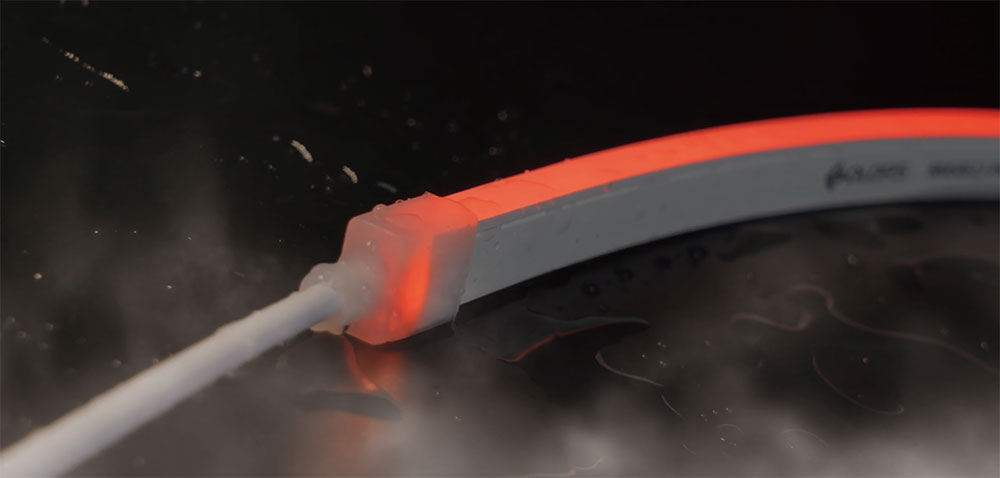
Why Longevity Is Crucial in Sauna Applications
Sauna lighting is not designed to be frequently replaced. Installations are often hidden behind wooden panels, under benches, or within custom architectural details. Replacing failed lighting can require partial disassembly of the sauna, leading to downtime, labor costs, and inconvenience.
A long-lasting LED strip ensures:
Consistent user experience over many years;
Reduced maintenance and replacement costs;
Improved safety and reliability;
Better return on investment for homeowners and commercial operators.
How Long-Lasting Performance Is Achieved
1. Superior Heat Management
As mentioned earlier, heat is the primary factor affecting LED lifespan. By effectively managing heat through materials, design, and encapsulation, long-lasting LED strips significantly slow down component aging.
2. Moisture and Corrosion Protection
Waterproof sealing prevents moisture from reaching sensitive electronic components. This protects against corrosion, oxidation, and electrical leakage, all of which can shorten lifespan.
3. Stable Electrical Design
High-quality drivers, resistors, and circuit layouts ensure stable current flow. Electrical stability reduces stress on LED chips and prevents premature failure.
4. Material Durability
Long-lasting sauna LED strips use materials that resist not only heat and water, but also chemical exposure from sauna oils, cleaning agents, and natural wood resins.
What Happens When LED Strips Are Not Long-Lasting?
Without long-lasting performance, sauna lighting quickly becomes a liability. Flickering lights, uneven brightness, and frequent failures disrupt the calming atmosphere and can even raise safety concerns. Over time, repeated replacements increase costs and diminish user satisfaction.
In commercial saunas, such issues can directly affect brand reputation and customer experience.
Conclusion
Why are heat-resistant and long-lasting LED strips non-negotiable for saunas?
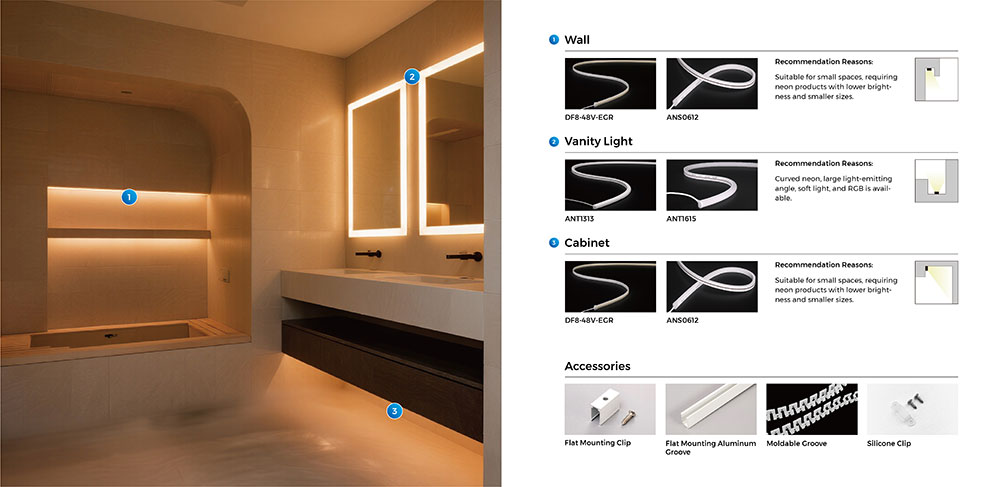
Saunas are spaces dedicated to relaxation, wellness, and sensory balance. Lighting plays a central role in shaping this experience, influencing mood, comfort, and perception. Waterproof LED strips have become the preferred lighting solution for modern saunas due to their flexibility, softness, and design versatility.
However, not all LED strips are suitable for sauna environments. The extreme combination of heat, humidity, and long operating hours demands specialized engineering. Among all required features, heat resistance and long-lasting durability stand out as the most critical.
Heat-resistant LED strips ensure safe, stable operation under high temperatures, protecting both the lighting system and its users. Long-lasting LED strips deliver consistent performance over time, minimizing maintenance and preserving the intended atmosphere of the sauna.
When these two features work together, they create lighting solutions that are not only functional, but reliable, safe, and emotionally supportive of the sauna experience. Choosing the right waterproof LED strips for saunas is therefore not just a technical decision - it is an investment in comfort, quality, and long-term peace of mind.
About COLORS Lighting
COLORS Lighting, the LED linear lighting solutions provider, specialises in the research, development, and manufacturing of high-quality lighting products, which have been certified by all major national markets and are exported to more than 100 countries and regions worldwide.
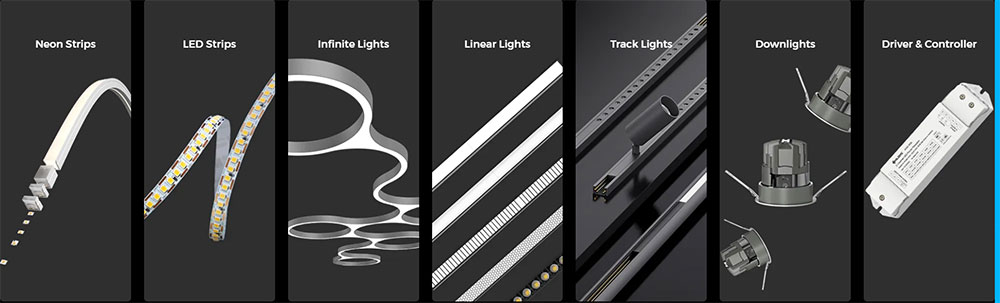
We have a professional lighting design team, key projects to provide pre-design planning, mid-term selection simulation, post-installation and commissioning of professional support. For key projects, we can cooperate with designers and engineers to deepen the pre-sale product application program. Welcome to contact us and tell us which products you prefer, or let us know what type of lighting solution you need. Let us help your lighting project! COLORS Lighting, Colorful Life!