Blog
Architectural Wall Washing with LED Downlights: Enhancing Retail & Gallery Spaces
Architectural Wall Washing with LED Downlights: Enhancing Retail & Gallery Spaces

Joyce Alva.UpdatedApril 3, 2026|9 mins Read
Lighting has always been a fundamental element in architecture, not only serving the purpose of visibility but also shaping how people perceive and experience a space. In modern commercial environments, especially retail stores and art galleries, lighting is no longer just a supporting system, it has become a key design language. Among the many lighting techniques available today, architectural wall washing stands out as one of the most effective ways to enhance spatial quality, highlight vertical surfaces, and create immersive visual experiences.
Wall washing refers to the technique of illuminating vertical surfaces evenly from top to bottom, minimizing shadows and creating a smooth, uniform brightness across walls. This approach is particularly powerful in environments where walls carry visual importance, whether through displayed merchandise, artworks, textures, or branding elements. By directing light onto walls instead of focusing solely on horizontal surfaces, designers can significantly enhance spatial perception, making rooms feel larger, brighter, and more inviting.
How Wall-washing LED Downlights Enhance Retail and Gallery Spaces
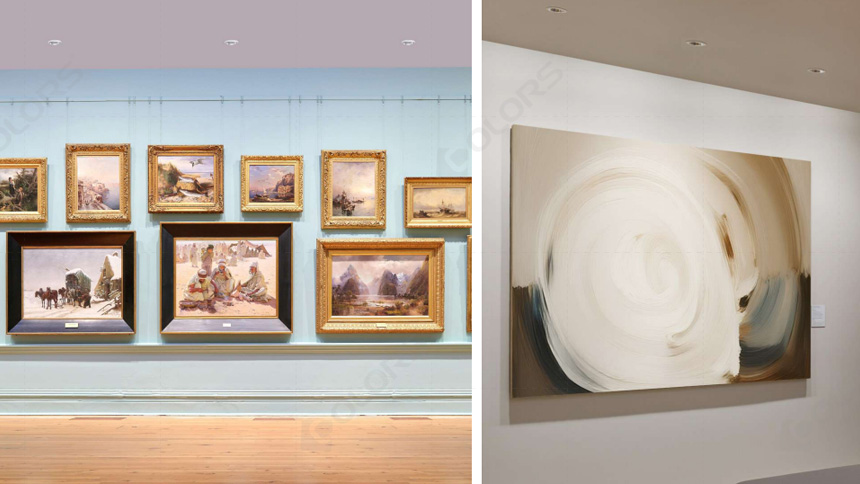
To achieve these effects, LED downlights have become one of the most efficient and flexible tools. With advancements in optics, beam control, and installation design, modern recessed downlights can deliver precise vertical illumination while maintaining a clean and minimal ceiling appearance. Their integration into architectural structures makes them ideal for contemporary retail and gallery spaces where aesthetics and functionality must coexist seamlessly.
As retail and exhibition environments continue to evolve toward experiential design, the importance of wall washing grows even further. It not only improves visibility but also creates emotional engagement, guiding visitors' attention and enhancing storytelling within a space.
Understanding Wall Washing: Principles and Lighting Techniques
To fully understand the value of wall washing, it is important to explore the principles behind this lighting technique and how it differs from other forms of vertical illumination.
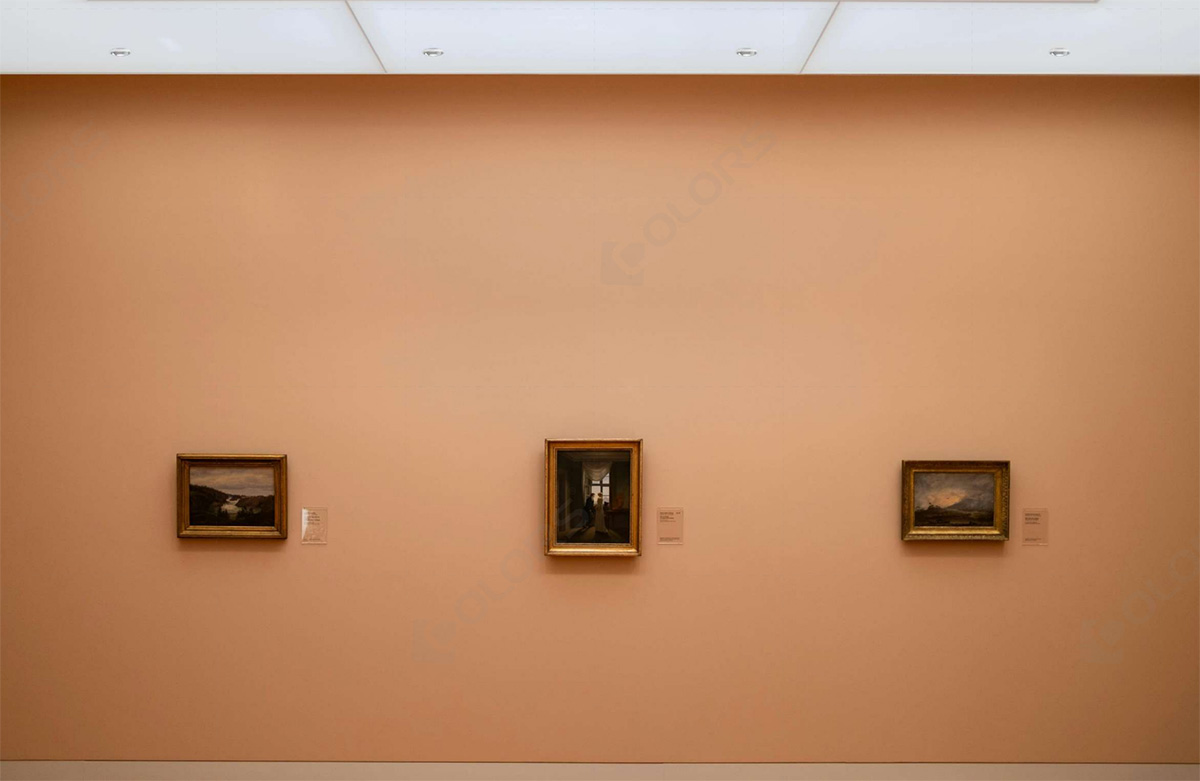
At its core, wall washing aims to achieve uniform brightness across a vertical surface. This requires careful control of light distribution, fixture placement, and beam angles. Unlike general lighting, which focuses on illuminating floors and work surfaces, wall washing shifts attention to vertical planes, which are often more visually dominant in human perception.
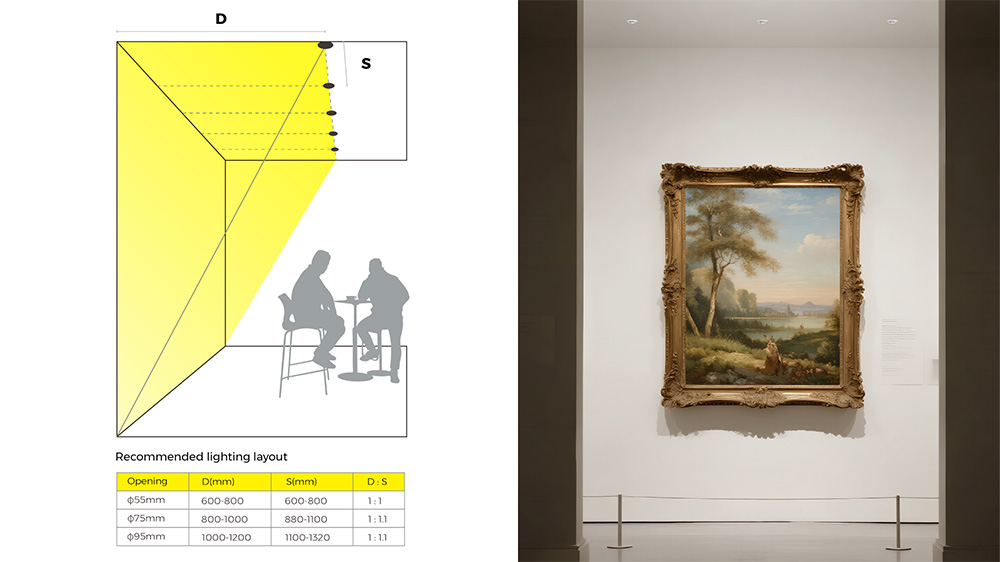
One key principle is the distance between the light source and the wall. Typically, downlights used for wall washing are installed at a specific distance from the wall, often around one-third of the ceiling height. This positioning ensures that light spreads evenly across the surface without creating hotspots or dark zones.
Another critical factor is beam angle selection. Wider beam angles are generally preferred for wall washing, as they allow light to cover larger vertical areas smoothly. Advanced optical designs in LED downlights can produce asymmetrical light distribution, further improving uniformity and reducing light loss.
It is also essential to distinguish between wall washing and wall grazing, as these two techniques serve different purposes. Wall washing creates a soft, even illumination that minimizes surface imperfections, making walls appear smooth and clean. In contrast, wall grazing uses light at a sharp angle to emphasize textures, shadows, and material details. While both techniques are valuable, wall washing is typically preferred in retail and gallery spaces where clarity and consistency are required.
Modern LED downlights enhance wall washing performance through features such as precise optical lenses, reflector engineering, and anti-glare design. These technologies ensure that light is directed efficiently toward vertical surfaces while maintaining visual comfort for occupants.
By mastering these principles, lighting designers can create wall washing effects that are both technically effective and visually compelling.
Applications in Retail Spaces: Elevating Brand Experience
In retail environments, lighting plays a crucial role in influencing customer behavior, enhancing product presentation, and reinforcing brand identity. Wall washing, when implemented effectively with LED downlights, can significantly elevate the overall shopping experience.
One of the primary benefits of wall washing in retail is improved product visibility. Many retail stores rely on vertical displays such as shelves, racks, and wall-mounted units. By evenly illuminating these surfaces, wall washing ensures that products are clearly visible from different angles, making it easier for customers to browse and engage with merchandise.
Wall washing also contributes to visual hierarchy and spatial organization. Brightly illuminated walls naturally attract attention, guiding customers through the store and highlighting key product zones or promotional areas. This subtle guidance can enhance navigation and encourage exploration, ultimately increasing dwell time and sales opportunities.
Another important aspect is brand storytelling. Retail spaces often use walls to communicate brand messages, display graphics, or create thematic environments. Uniform wall illumination ensures that these elements are presented clearly and consistently, reinforcing brand identity and emotional connection with customers.
In high-end retail environments, wall washing is frequently combined with accent lighting to create layered lighting effects. While downlights provide smooth vertical illumination, spotlights can highlight specific products or features, adding depth and contrast. This combination creates a dynamic and sophisticated lighting environment that aligns with premium brand positioning.
Energy efficiency is also a key consideration in retail lighting. LED downlights used for wall washing offer high efficacy and long lifespan, reducing operational costs while maintaining high-quality illumination. This makes them a sustainable choice for large-scale retail operations.
Ultimately, wall washing transforms retail spaces from simple transactional environments into immersive experiences, where lighting plays an active role in shaping customer perception and behavior.

Applications in Gallery and Exhibition Spaces: Enhancing Art Presentation
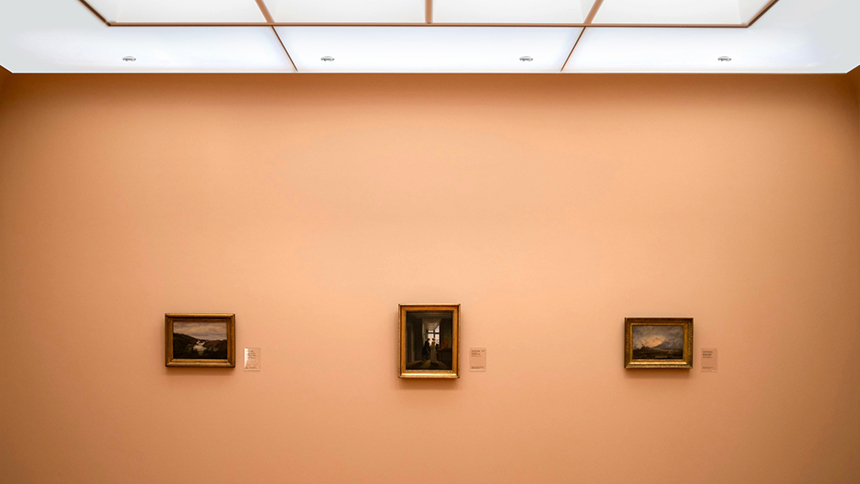
In galleries and exhibition spaces, lighting must achieve a delicate balance between functionality and artistic integrity. The primary goal is to present artworks in their best possible light, literally and figuratively, without causing visual discomfort or distortion. Wall washing with LED downlights is particularly well-suited for this purpose.
One of the key advantages of wall washing in galleries is uniform illumination, which ensures that artworks are displayed under consistent lighting conditions. Uneven lighting can distract viewers and distort perception, while smooth vertical illumination allows artworks to be appreciated clearly and accurately.
Color rendering is another critical factor. High-quality LED downlights used in wall washing applications typically offer high CRI (Color Rendering Index), ensuring that colors appear true to life. This is essential for artworks where color accuracy is a fundamental aspect of the visual experience.
Glare control is equally important in gallery environments. Visitors often spend extended periods observing artworks, and excessive glare can cause discomfort and reduce viewing quality. Professional downlights designed for wall washing incorporate anti-glare features that minimize direct light exposure while maintaining effective illumination.
Wall washing also enhances the spatial perception of galleries. Bright, evenly lit walls create a sense of openness and clarity, allowing artworks to stand out without visual clutter. This minimalist lighting approach aligns with the clean and neutral aesthetics commonly found in exhibition spaces.
In addition, wall washing supports curatorial flexibility. Galleries frequently change exhibitions, requiring adaptable lighting solutions. LED downlights with adjustable beam angles or positioning allow curators to modify lighting layouts according to different artworks and display configurations.
By combining technical precision with aesthetic sensitivity, wall washing using LED downlights plays a vital role in creating engaging and professional gallery environments.

Why LED Downlights Are Ideal for Wall Washing
LED downlights have become the preferred choice for wall washing applications due to their unique combination of performance, flexibility, and design integration.
One of the most significant advantages is precise light control. Modern LED downlights are equipped with advanced optics that allow designers to shape and direct light accurately. This precision is essential for achieving uniform wall illumination and avoiding unwanted shadows or hotspots.
Another key benefit is compact and recessed design. Downlights can be seamlessly integrated into ceilings, preserving the architectural integrity of the space. This is particularly important in retail and gallery environments where visual cleanliness and minimalism are highly valued.
Energy efficiency is also a major factor. LED technology offers high luminous efficacy and low heat output, making downlights both environmentally friendly and cost-effective. Their long lifespan reduces maintenance requirements, which is especially beneficial in commercial settings.
Glare control and visual comfort further enhance their suitability for wall washing. High-quality downlights are designed to minimize glare while maintaining strong illumination, ensuring a comfortable viewing experience for users.
Additionally, compatibility with lighting control systems allows for dynamic adjustments. Designers can fine-tune brightness levels, create lighting scenes, and adapt to different operational needs, adding flexibility to both retail and gallery applications.
These advantages make LED downlights not only a practical solution but also a powerful design tool for achieving high-quality wall washing effects.
Check out wall-washing lighting for indoor and outdoor use: Best Architectural Exterior Wall Wash Lighting: Expert LED Picks
Design Considerations and Best Practices
To achieve optimal wall washing results, careful planning and execution are essential. Several key considerations can help ensure successful implementation.
First, fixture placement and spacing must be calculated accurately. Improper spacing can lead to uneven illumination or wasted light. Designers should consider ceiling height, beam angle, and wall distance when planning layouts.
Second, selecting the right beam angle and optics is crucial. Wide or asymmetrical beams are typically preferred for wall washing, as they provide better coverage and uniformity.
Third, maintaining consistency in lighting levels is important, especially in galleries where visual balance is critical. Lighting simulations and mock-ups can help verify design effectiveness before installation.
Fourth, integration with other lighting layers should be considered. Wall washing should complement, not compete with, accent lighting and general illumination. A well-balanced lighting scheme enhances both functionality and aesthetics.
Finally, using professional design tools such as DIALux evo can significantly improve accuracy and efficiency. These tools allow designers to simulate lighting effects, optimize layouts, and ensure compliance with project requirements.
Best Wall Wash LED Downlights for Retail and Gallery Spaces
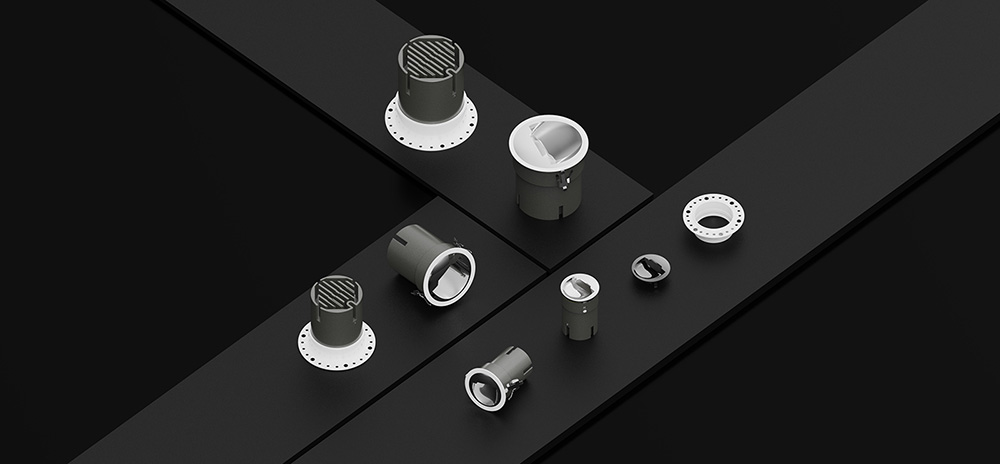
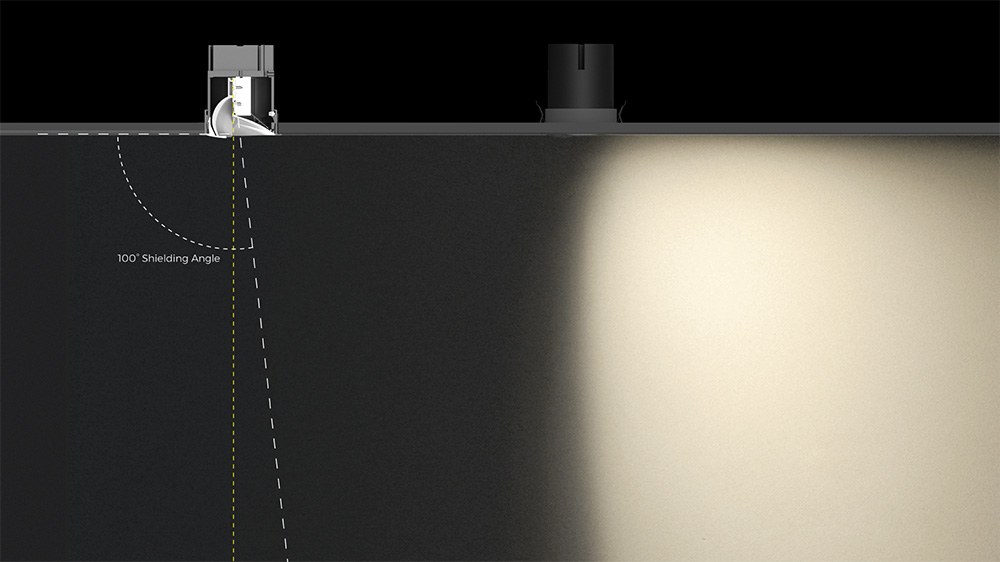
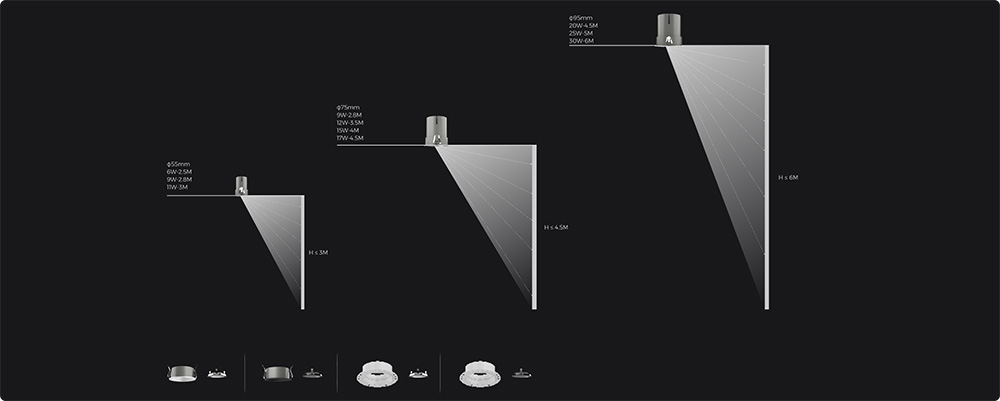
COLORS Lighting's Aurora series wall wash LED downlights feature an excellent deep anti-glare design with a shading angle of 100° and a narrow edge design of 4.5mm. It boasts an outstanding wall-washing optical design, offering a variety of reflector options and product size choices to meet wall-washing applications in spaces with a height of 3-6 meters. The products are best for retail, gallery and exhibition spaces, achieving a smooth transition with the ceiling when washing the wall.
Deep anti-glare design
Unique optical design
Boosting light's wall coverage, beautifully and efficiently.
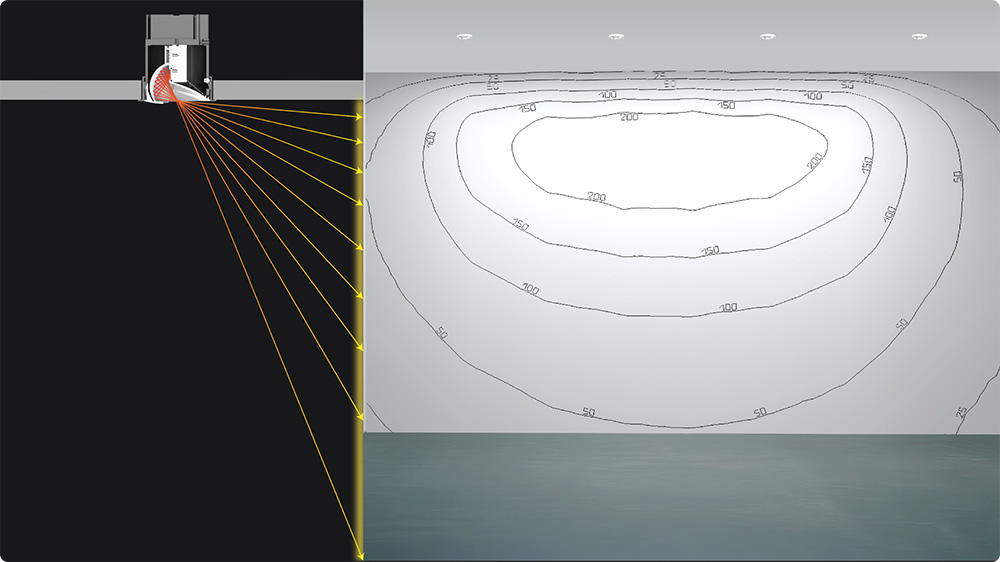
Extra-wide Wall-washing Ratio
Most Complete And Versatile Family
Comprehensive in sizes, powers, and applications.
Comprehensive in sizes, powers, and applications.
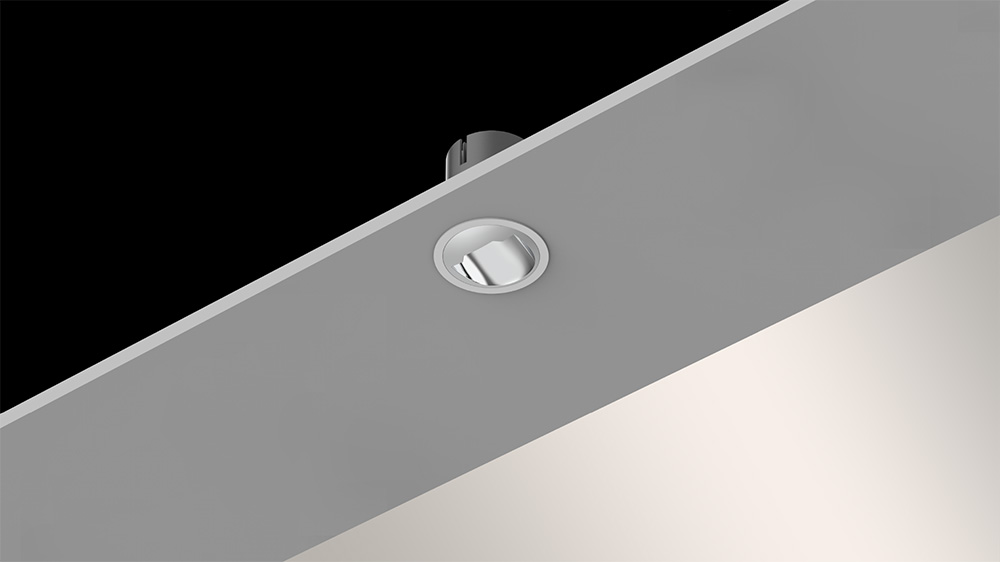
Flush With The Ceiling, No Shadowed Corners
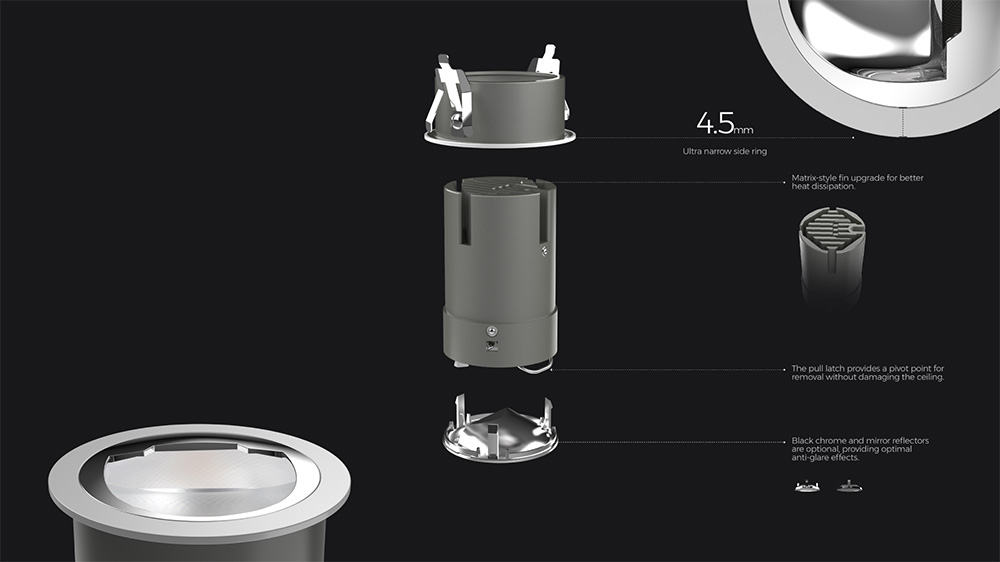
Split Design
Easy Installation: The frame can be installed independently, and the luminaire can be easily secured to the frame using spring balls.
Easy maintenance: When replacing the light source, the main body can be easily detached without damaging the ceiling.
Easy Installation: The frame can be installed independently, and the luminaire can be easily secured to the frame using spring balls.
Easy maintenance: When replacing the light source, the main body can be easily detached without damaging the ceiling.
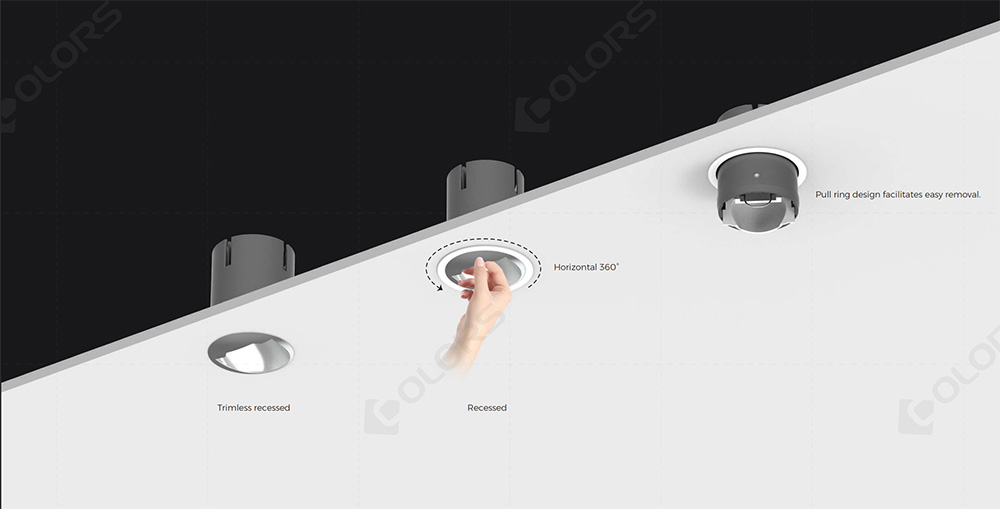
Free combination: The luminaire is compatible with both recessed and non-decorative recessed frames, making it very inventory-friendly.
Recessed or Trimless recessed options.
Where to Buy Wall Wash LED Downlights?
COLORS online store, makes B2B deals as simple as Amazon! You can get LED products information from COLORS Lighting's online store, featuring LED strips, neon strips, linear lights, track lights, downlights & spotlights, and various accessories. Check price and stock instantly, enjoy flexible ordering options, and streamline your purchases online.
All of COLORS Lighting's product 3D models and IES files are readily available for immediate use in DIALux software, allowing you to easily add and buy all the products you used in design software with just one click.

Conclusion
Architectural wall washing LED downlights has become an essential technique in modern retail and gallery lighting design. By focusing on vertical illumination, it enhances spatial perception, improves visibility, and creates engaging visual environments.
In retail spaces, wall washing supports product presentation, customer navigation, and brand storytelling. In galleries, it ensures accurate and comfortable viewing conditions for artworks while maintaining aesthetic clarity. Across both applications, LED downlights provide the precision, efficiency, and flexibility needed to achieve high-quality results.
As lighting technology continues to evolve, the role of wall washing will become even more significant. With thoughtful design and proper implementation, LED downlights can transform ordinary walls into powerful visual elements, elevating the overall experience of retail and exhibition spaces.