Blog
LED Downlight Recessed Installation: Modular & Split Design
LED Downlight Recessed Installation: Modular & Split Design

Joyce Alva.UpdatedJune 5, 2026|10 mins Read
Lighting has become one of the most important elements in modern architectural and interior design. It no longer simply provides brightness for visibility, it shapes atmosphere, enhances materials, defines spatial hierarchy, and influences how people emotionally experience a space.
Among all lighting fixtures, LED downlights have become one of the most widely used solutions in modern architecture. From residential interiors and retail stores to luxury hotels, offices, museums, airports, and commercial clubs, downlights can now be seen almost everywhere.
As architectural spaces continue to evolve toward minimalism, flexibility, and intelligent functionality, traditional lighting solutions are no longer enough. Designers and engineers now demand lighting products that are not only visually refined, but also easier to install, maintain, replace, and adapt to different project requirements.
This is exactly why modular and split-design recessed LED downlights have become increasingly important in the lighting industry.
Downlights Are Everywhere in Modern Architecture
Walk into almost any modern building today, and recessed downlights are likely part of the lighting design.
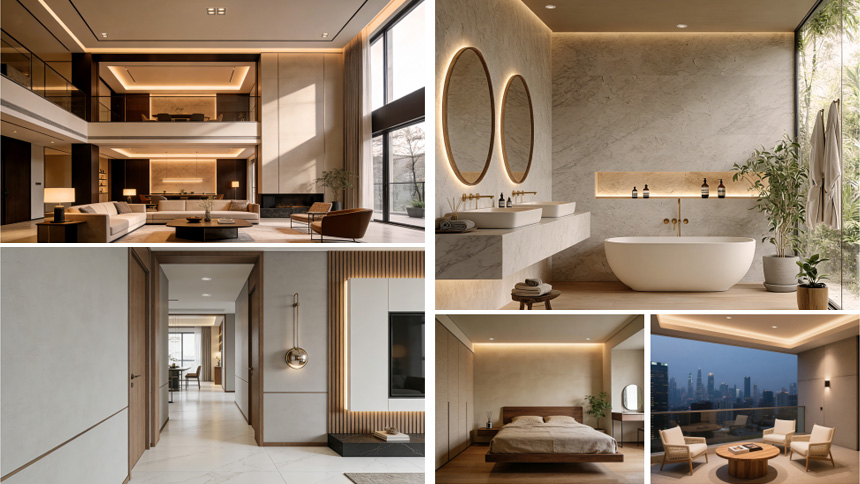
They appear in: luxury villas, residential apartments, shopping malls, restaurants, offices, hotels, museums, galleries, airports, commercial clubs, showrooms, hospitals, educational facilities, and so on.
Compared with traditional ceiling fixtures, recessed downlights provide a cleaner, more minimalist appearance. Because they are integrated into ceilings, they allow architecture itself to remain visually dominant while lighting quietly shapes the environment in the background.
Over the past decade, LED technology has dramatically accelerated the popularity of downlights. LEDs offer: higher energy efficiency, longer lifespan, lower maintenance costs, better dimming capability, higher color consistency, smaller fixture size, and more precise optical control.
As a result, downlights are now used much more widely than before.
Why Modern Spaces Prefer Downlights
Modern architecture increasingly emphasizes simplicity, clean ceiling lines, and spatial openness. Large decorative luminaires are no longer suitable for every project.
Recessed downlights support minimalist architectural trends because they: blend into ceilings seamlessly, reduce visual clutter, create refined lighting layers, offer directional illumination, improve spatial sophistication, and maintain clean architectural aesthetics.
Unlike bulky traditional fixtures, downlights allow designers to focus attention on walls, furniture, materials, and spatial textures rather than on the lighting equipment itself.
The Atmosphere Downlights Create
One of the biggest reasons downlights are so widely adopted is their ability to create atmosphere.
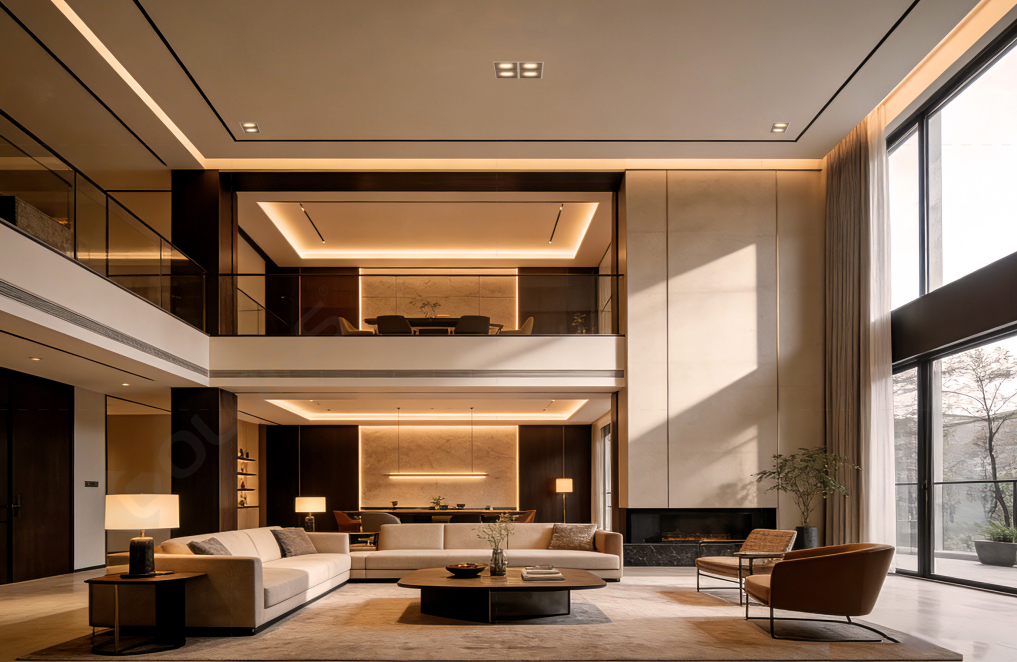
Different lighting effects influence human emotions differently. Carefully designed downlighting can create spaces that feel: warm, comfortable, relaxing, elegant, premium, quiet, contemporary, intimate, and artistic.
Warm white downlights, especially in the 2700K–3000K range, are commonly used in hospitality and residential environments because they create cozy and welcoming atmospheres.
Meanwhile, precise optical control and anti-glare technology help modern downlights deliver comfortable illumination without causing visual fatigue.
In many architectural projects today, lighting is no longer intended to simply “light up” a room. Instead, it is designed to create emotional experience and spatial storytelling.
This shift has made recessed downlights one of the core tools in modern lighting design.
Different Spaces Need Different Downlights
Although downlights are widely used, not every downlight is suitable for every environment.
Different applications require different lighting characteristics, including: beam angle, brightness, color temperature, glare control, waterproof protection, optical precision, installation method, and adjustability.
As architecture becomes more specialized, more spaces require professional downlight solutions tailored to their unique needs.
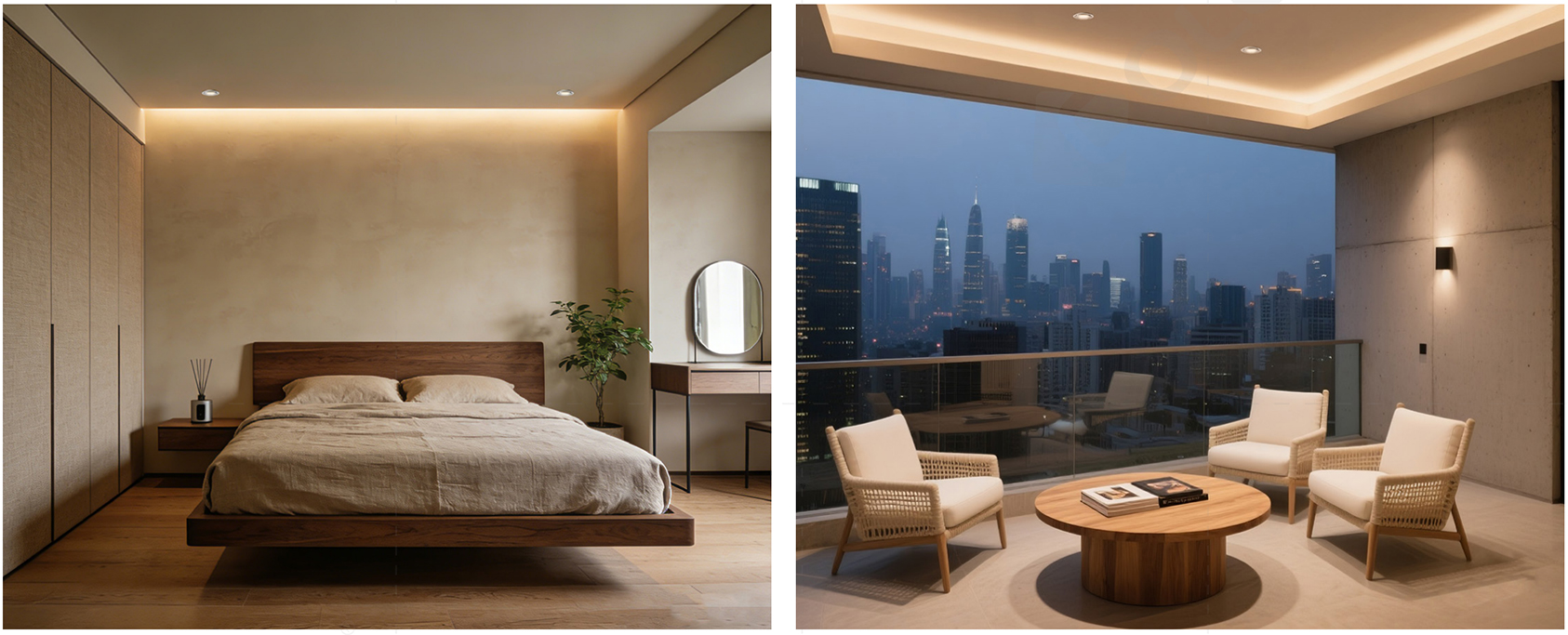
Residential Spaces
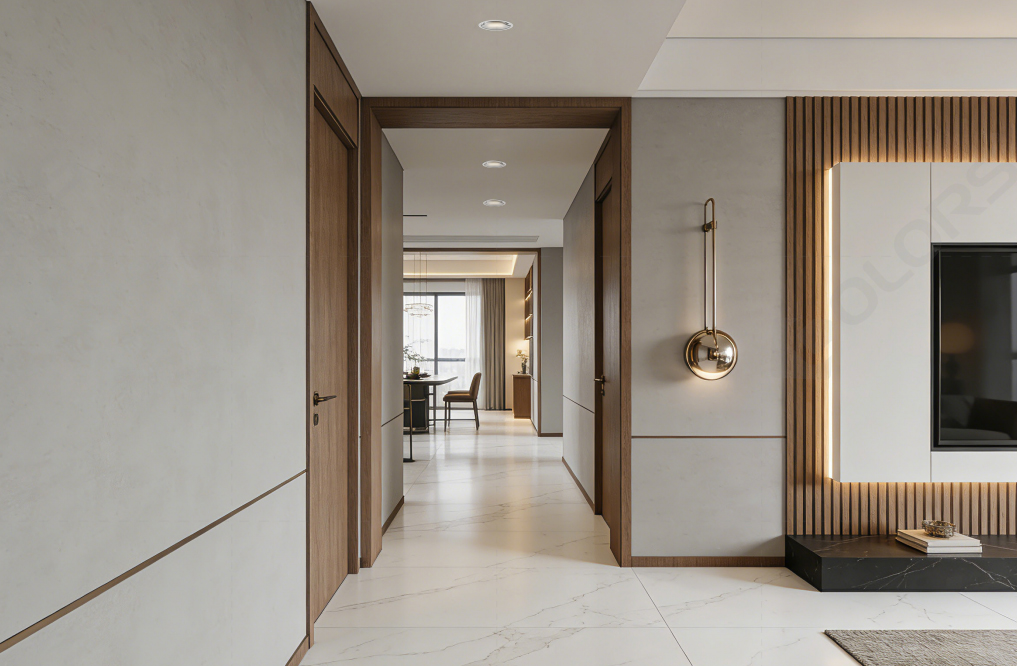
In homes, downlights are typically used to create soft and comfortable ambient lighting.
Residential environments prioritize: warm atmosphere, relaxation, visual comfort, soft beam distribution, and low glare.
Deep anti-glare downlights are especially important in living rooms and bedrooms because people spend long periods within these spaces.
Recessed downlights also help residential ceilings appear cleaner and more spacious.
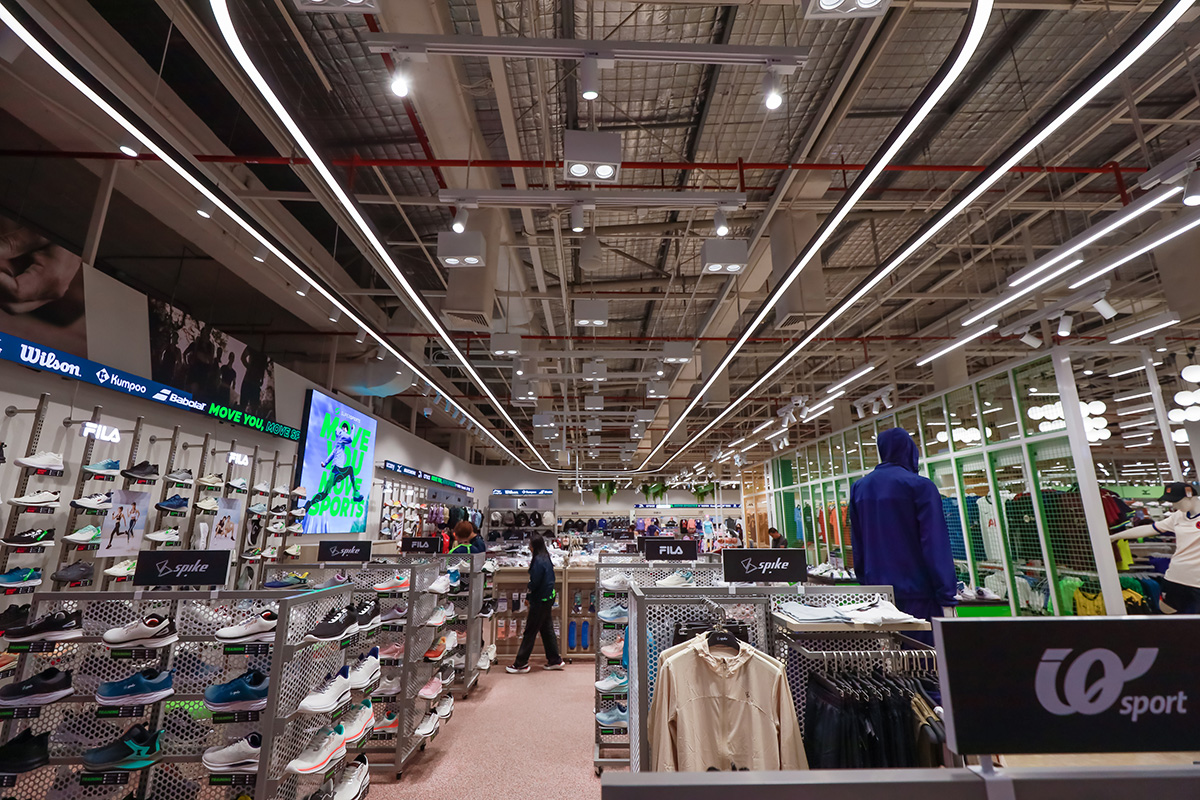
Retail Stores
Retail lighting focuses heavily on visual attraction and product presentation.
Stores often use adjustable spotlight downlights to: highlight products, create contrast, guide customer attention, increase visual hierarchy, and enhance merchandise appearance.
Higher CRI performance becomes especially important in retail environments because accurate color rendering affects how products appear to customers.
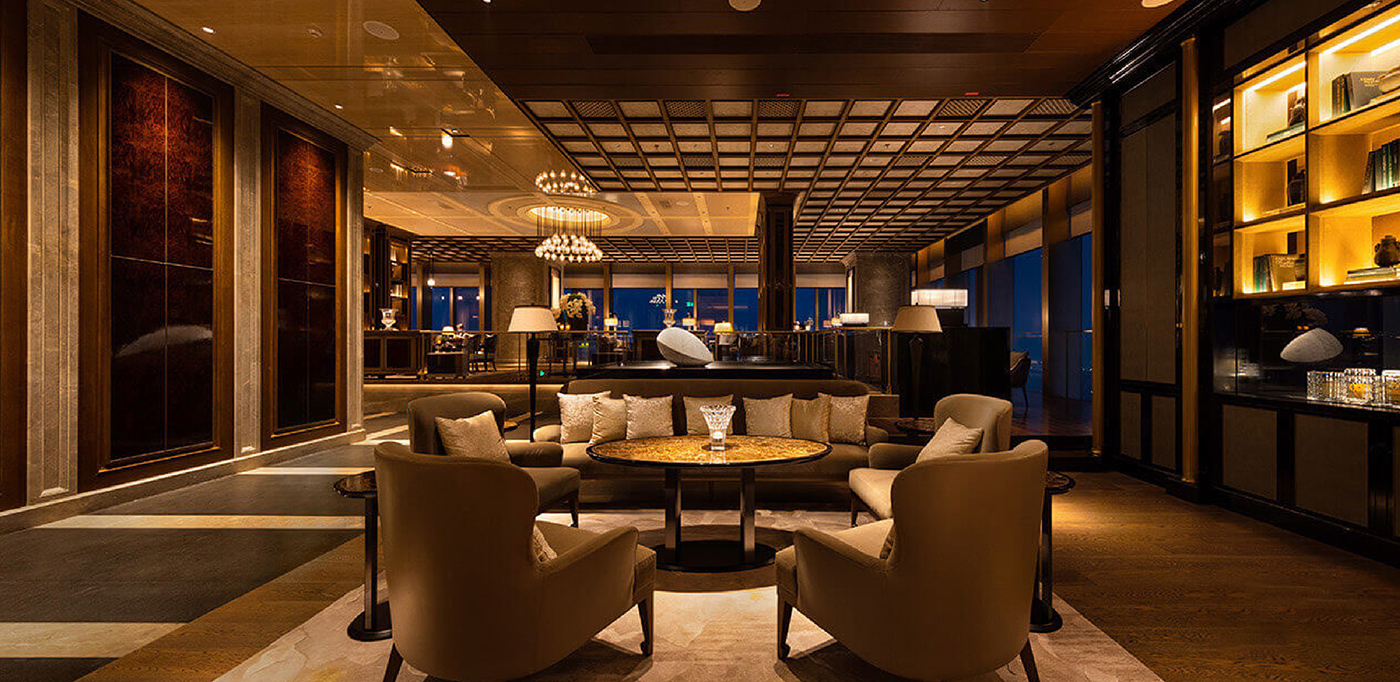
Hotels and Hospitality Projects
Hospitality lighting combines functionality with emotional experience.
Hotels use downlights to create luxurious and immersive environments throughout: lobbies, corridors, guest rooms, restaurants, spa areas, and reception zones.
Modern hotels increasingly demand lighting solutions that are visually elegant, easy to maintain, and flexible for future upgrades.
This is one reason modular downlight systems are becoming more valuable in hospitality projects.
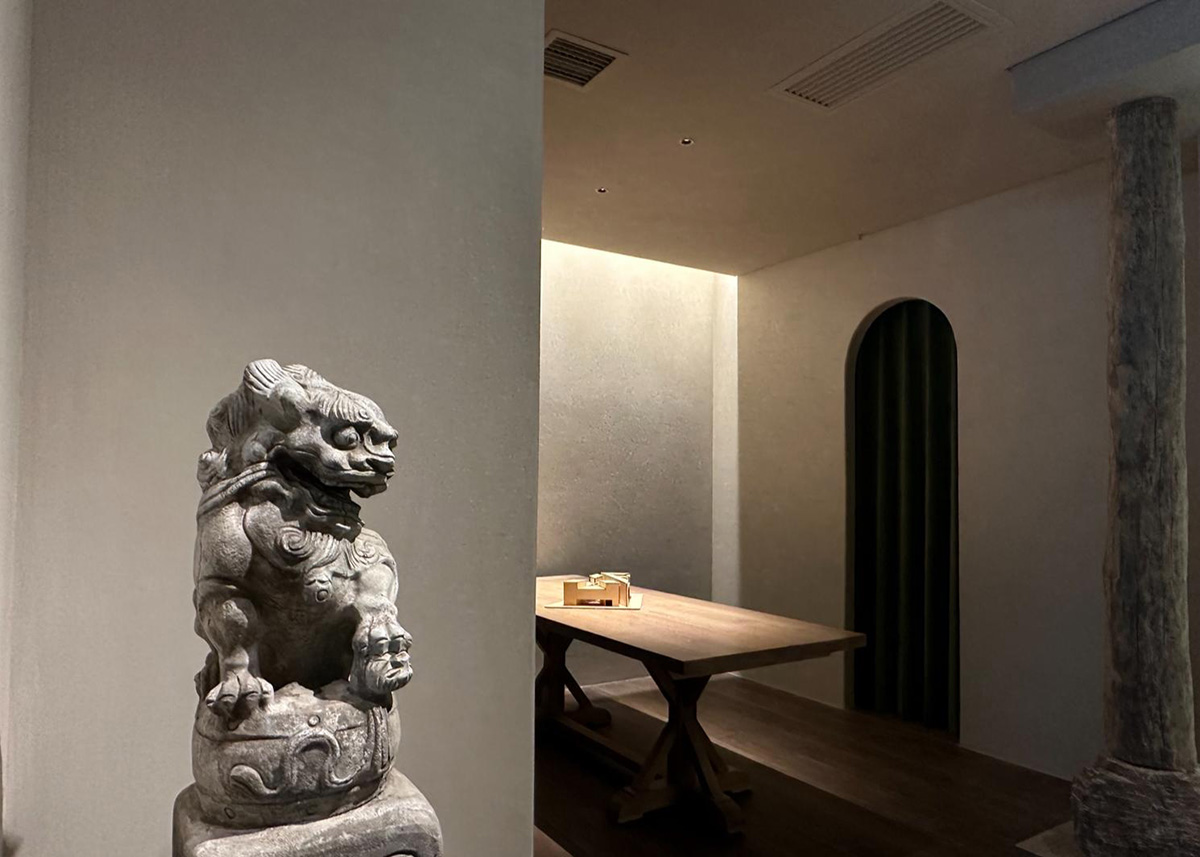
Museums and Galleries
Museum and gallery lighting require exceptional optical precision and glare control.
Lighting directly influences how artwork is perceived. Poor lighting can distort colors, create reflections, or cause visual discomfort.
Professional downlights used in galleries often require: deep anti-glare optics, precise beam control, high CRI performance, wall-washing capability, and minimal fixture visibility.
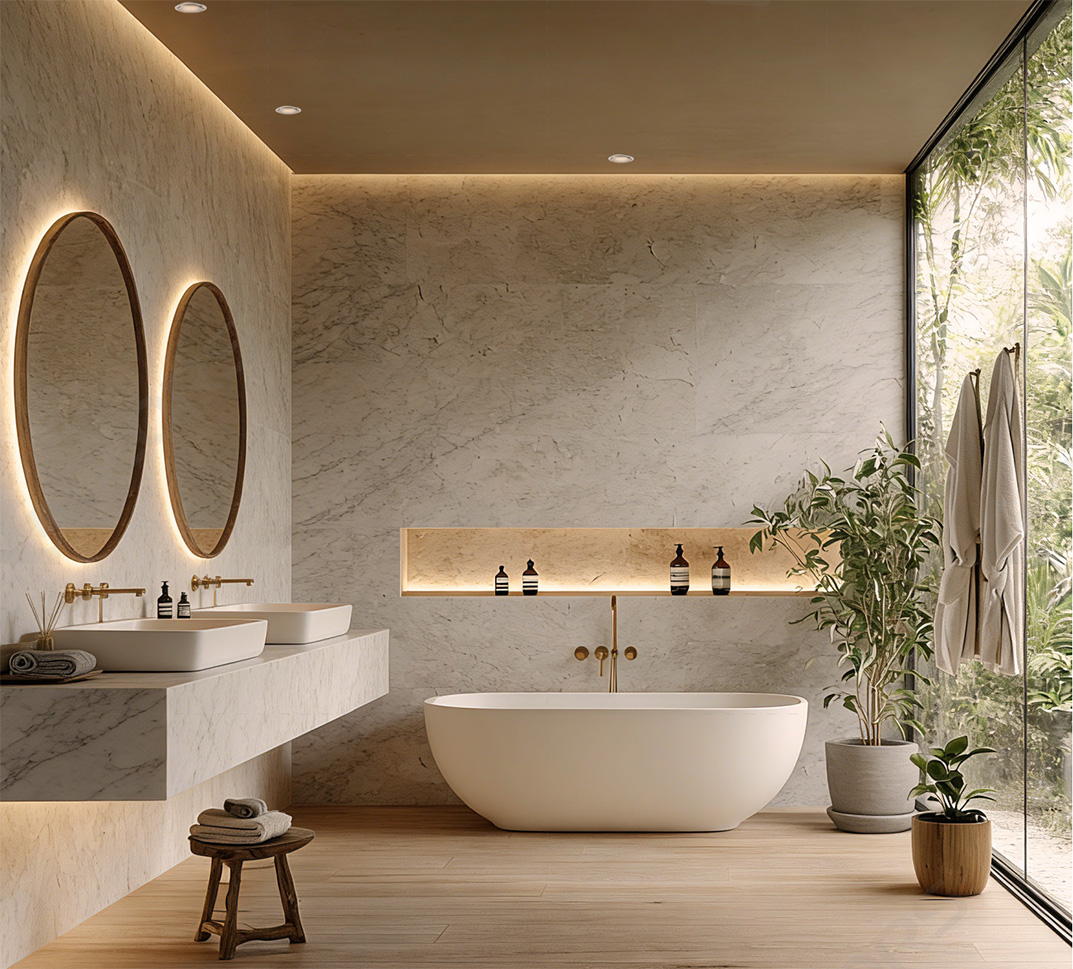
Bathrooms and Outdoor Spaces
Some environments require additional waterproof protection.
Bathrooms, spas, exterior soffits, and semi-outdoor spaces often require IP-rated downlights that can withstand humidity and moisture.
This explains why waterproof recessed downlights are becoming increasingly common in both residential and commercial projects.
Why More Spaces Need Downlights Today
Modern architecture increasingly relies on layered lighting strategies rather than single central fixtures.
Downlights help achieve this because they can simultaneously provide: ambient lighting, accent lighting, task lighting, architectural lighting, wall washing, and spatial depth.
Compared with many other fixtures, downlights offer better integration with architecture while remaining highly versatile.
This is one reason why more and more projects now depend heavily on professional recessed downlight systems.
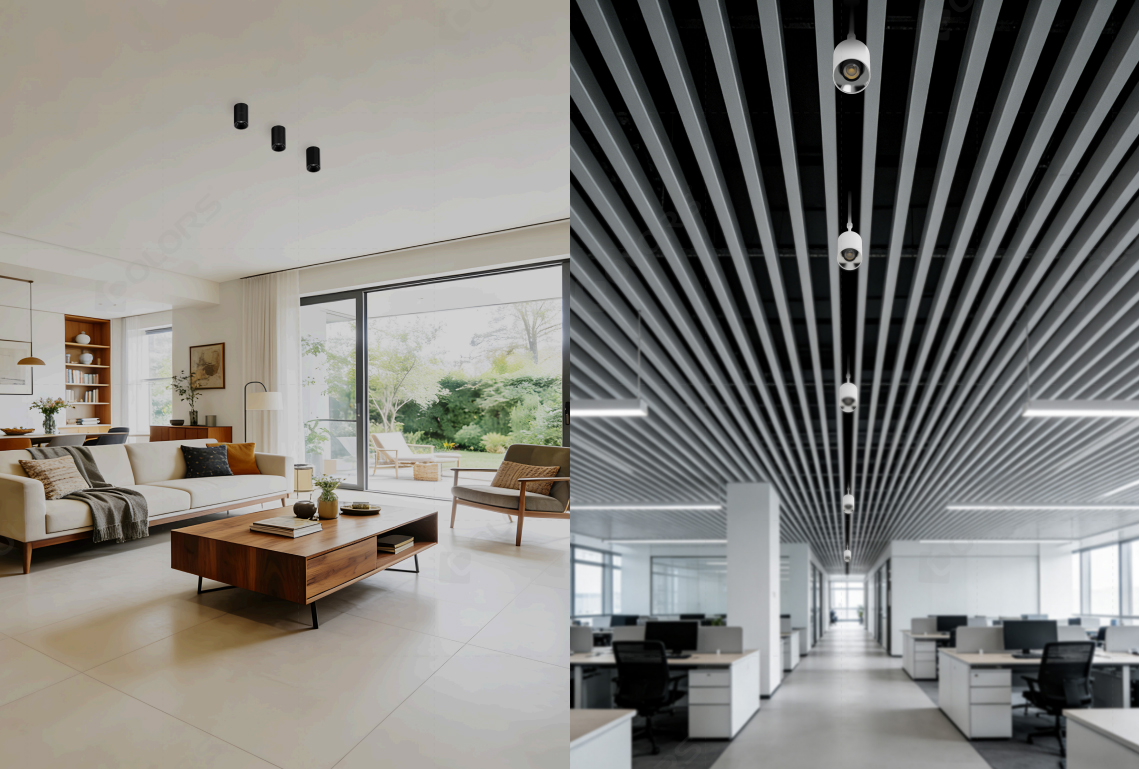
How Downlights Work: Structure, Components, and Modular & Split Design
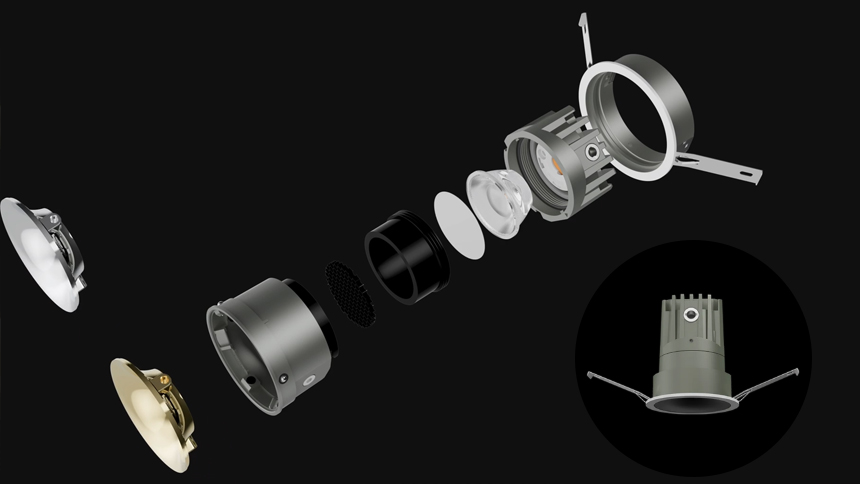
Although recessed LED downlights may appear simple from the outside, they are actually highly engineered lighting systems composed of multiple integrated components.
Understanding how downlights work helps explain why modular and split designs have become such important innovations.
What Makes Up a Downlight?
A recessed LED downlight typically consists of several key components:
1. LED Light Source
The LED chip generates the light itself. Modern LEDs provide: high efficiency, long lifespan, low power consumption, and stable color consistency. The quality of the LED directly affects brightness, CRI, efficiency, and longevity.
2. Optical System
The optical system controls how light is distributed. This may include: lenses, reflectors, diffusers, and honeycomb accessories. Optical engineering determines: beam angle, uniformity, anti-glare performance, and visual comfort. Professional downlights increasingly use patented optical systems to improve both efficiency and visual quality.
3. Heat Dissipation Structure
LEDs generate heat during operation. Without proper thermal management, excessive heat can shorten lifespan and reduce lighting performance. Modern downlights therefore incorporate: aluminum housings, heat sinks, thermal fins, and metal structures. Effective heat dissipation is essential for long-term reliability.
4. Driver System
The LED driver converts electrical power into a stable current suitable for the LED module. Driver quality affects: flicker performance, dimming capability, stability, and lifespan. Many professional projects now prefer remote driver configurations for easier maintenance.
5. Housing and Installation Structure
The housing secures the downlight within the ceiling while protecting internal components. Installation structures may vary depending on: recessed installation, surface mounting, trimless integration, and adjustable mechanisms. This is where modular and split designs become highly valuable.
Why Modular & Split Design Matters
Traditional downlights were often integrated into one fixed structure. While functional, this created several limitations: difficult installation, complicated maintenance, limited flexibility, inventory inefficiency, and higher replacement costs.
As architectural projects became more complex, lighting manufacturers began developing modular and split-design systems to improve flexibility and operational efficiency.
What Is Modular Design?
Modular design means the downlight is divided into interchangeable functional parts rather than being manufactured as one inseparable unit. Different modules may include: optical modules, reflector options, trim variations, driver systems, and mounting accessories. This allows designers and installers to customize lighting performance according to project needs.
Advantages of Modular Design
1. Greater Flexibility: Different optical accessories and beam angles can be selected for different applications.
2. Easier Inventory Management: Instead of stocking many completely separate products, distributors can combine modules according to project requirements.
3. Simplified Replacement: Damaged or outdated modules can be replaced individually without replacing the entire fixture.
4. Future Upgradability: Lighting systems become more adaptable to future architectural changes.
What Is Split Design?
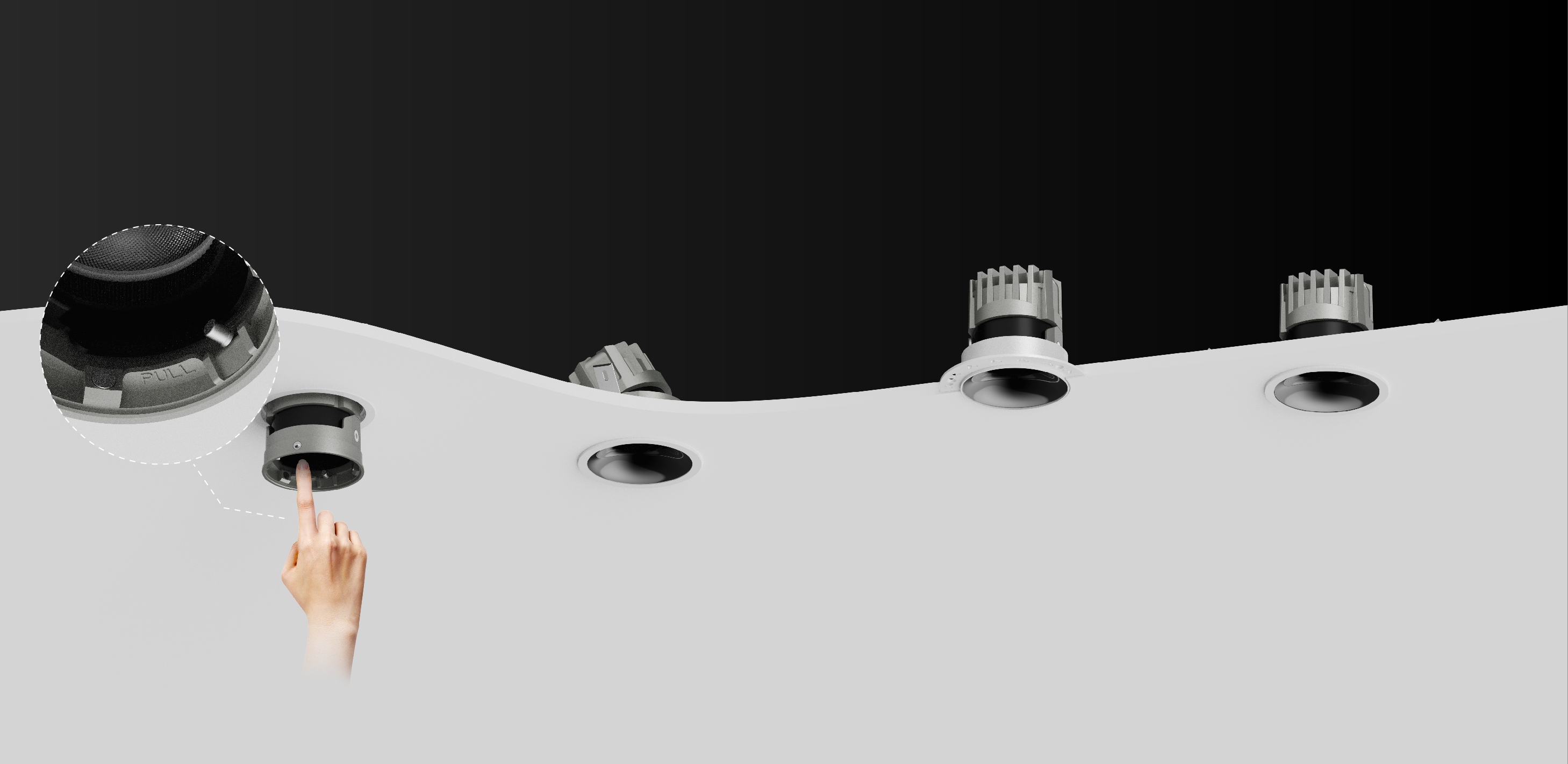
Split design separates key structural components, usually the luminaire body and installation frame. This approach offers major practical advantages.
Advantages of Split Design
1. Easier Installation: Installers can first install the mounting frame before completing final luminaire installation. This simplifies construction coordination and reduces ceiling damage risks.
2. Easier Maintenance: The light engine can be removed independently without affecting the ceiling structure. This significantly improves maintenance efficiency.
3. Reduced Ceiling Damage: Traditional integrated downlights may damage ceilings during replacement or servicing. Split structures minimize this risk.
4. Faster On-Site Replacement: For hotels, retail spaces, and commercial projects, maintenance speed is extremely important. Split design allows quick replacement without major reconstruction.
As architectural lighting projects become increasingly sophisticated, modular and split design are becoming essential rather than optional.
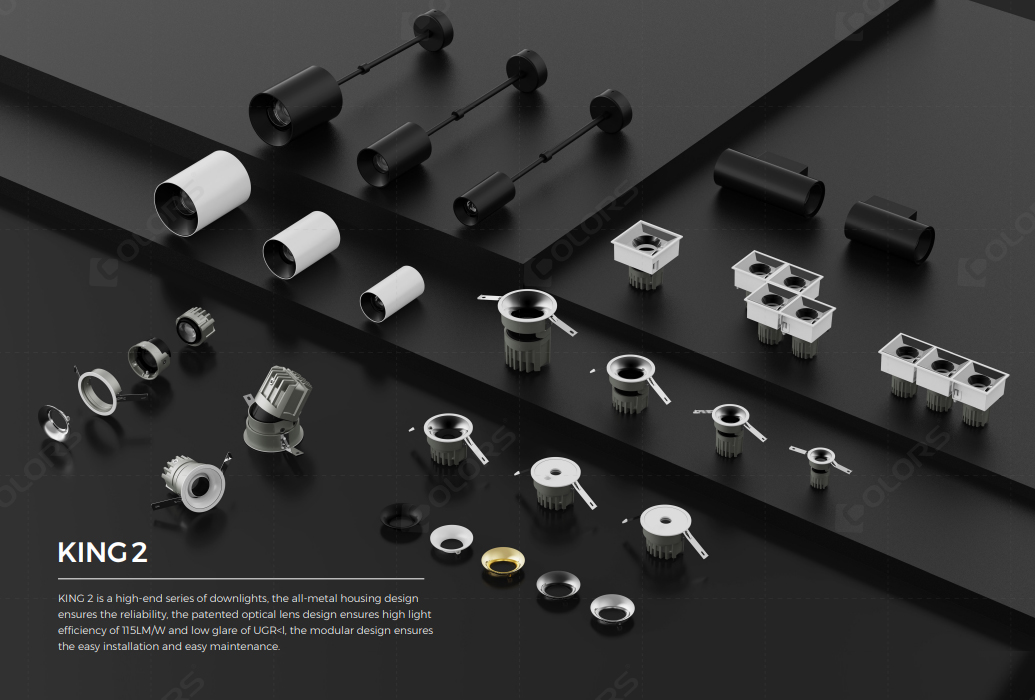
KING 2 Series: Modular & Split Design by COLORS Lighting
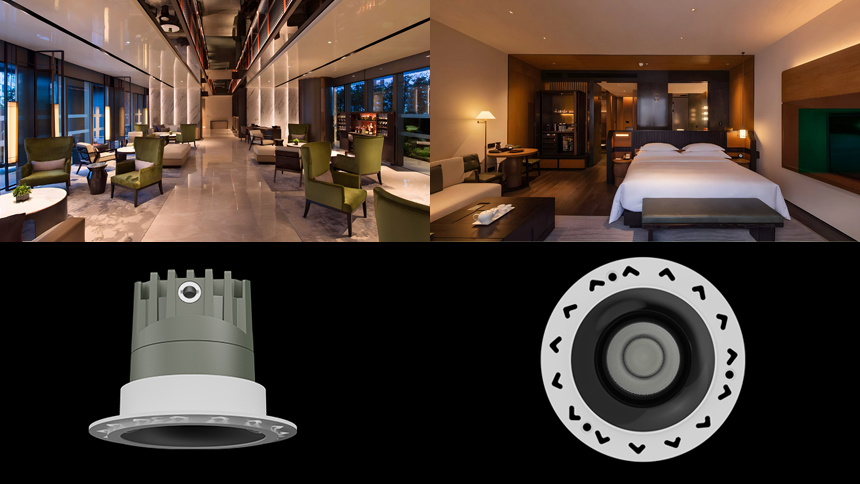
To meet the growing demand for high-end architectural lighting, COLORS Lighting developed the KING 2 Series downlight, a professional downlight family designed for luxury hotels, villas, galleries, and premium commercial spaces.
The KING 2 Series combines deep anti-glare performance, patented optical technology, modular flexibility, and split-structure design, delivering both excellent lighting quality and easier installation experience.
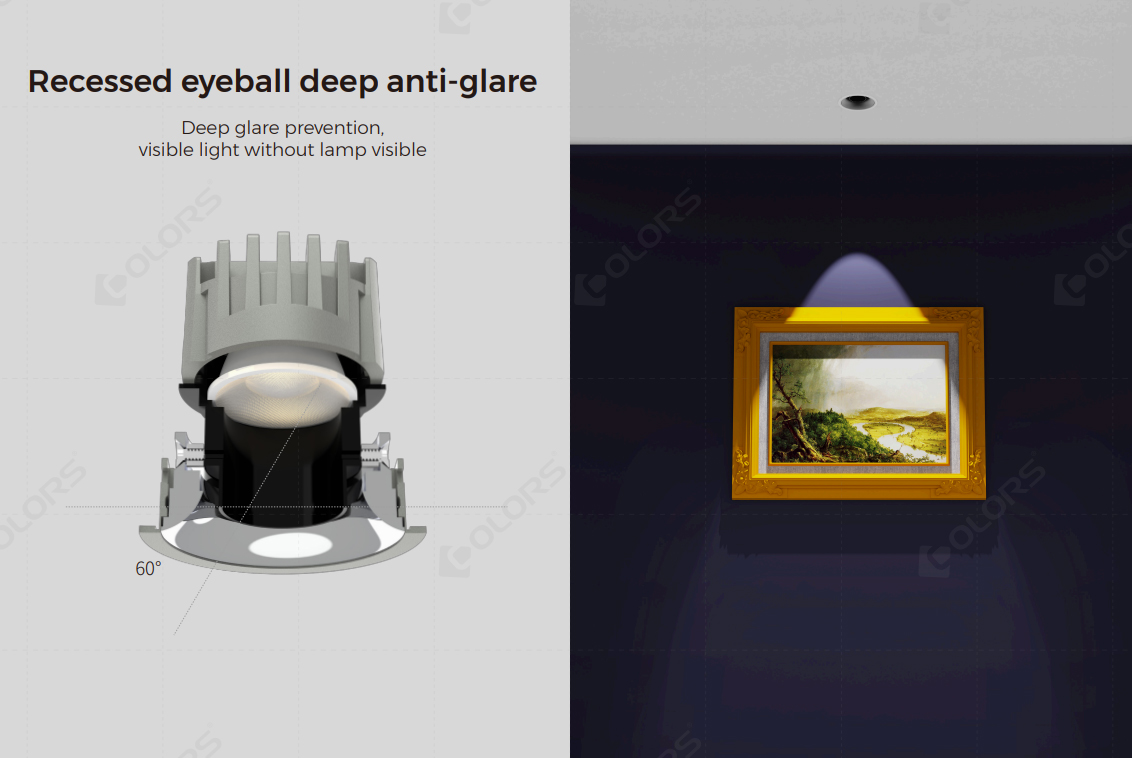
Patented Optical Design & Deep Anti-Glare
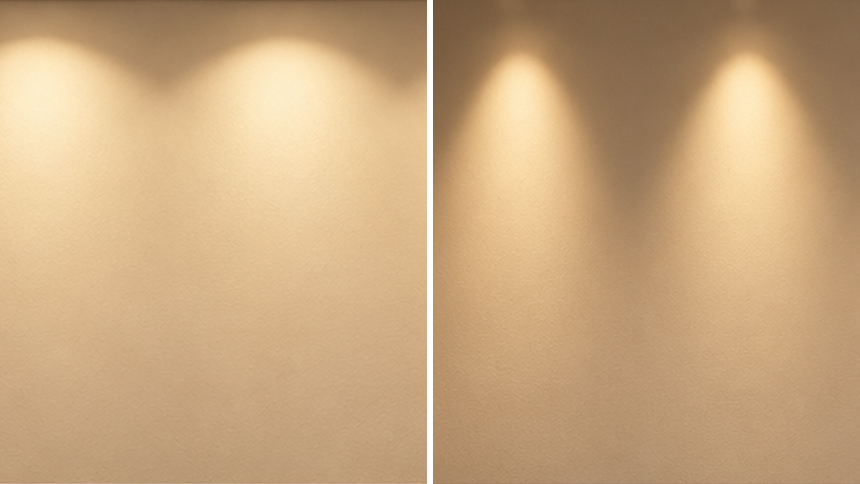
KING 2 adopts patented optical lens technology with Fibonacci Sequence and Fermat Optical Technology to maximize light efficiency while maintaining comfortable visual performance.
The series achieves: max luminous efficacy up to 115LM/W, deep anti-glare performance, UGR<1 visual comfort, and cut-off angle over 45°.
This allows the fixture to create soft, comfortable, and professional lighting environments without harsh glare, making it ideal for spaces where people stay for long periods.
Multiple Beam Angles for Different Applications
KING 2 supports multiple beam angle options: 4°, 8°, 10°, 15°, 24°, 36°, and 50°. Different beam angles help designers create: accent lighting, ambient lighting, focus lighting, and display lighting.
This flexibility makes the series suitable for hotels, retail stores, galleries, restaurants, and residential projects.
Modular Design Advantages
KING 2 adopts a modular structure with multiple optical and reflector options. This modularity provides several benefits: easier customization, better inventory management, simplified maintenance, and flexible optical combinations.
Such flexibility allows designers to achieve different visual aesthetics and anti-glare effects.
Split Design for Easier Maintenance
KING 2 also incorporates split-design architecture that improves installation and servicing efficiency. This becomes especially important in large commercial projects where: maintenance speed matters, ceiling protection is critical, future upgrades may be required.
The ergonomic handle design further simplifies installation and removal. Compared with traditional integrated downlights, split structures reduce labor difficulty and long-term operational costs.
Full Metal Body & Strong Heat Dissipation
KING 2 adopts an all-metal lamp body design for better durability and thermal management. Compared with ordinary downlights, it provides: better heat dissipation, more stable performance, longer lifespan, and higher reliability.
The compact structure also delivers high power output in smaller fixture sizes. For example: φ75mm up to 20W, and φ95mm up to 35W. This makes the fixture ideal for modern minimalist ceilings.
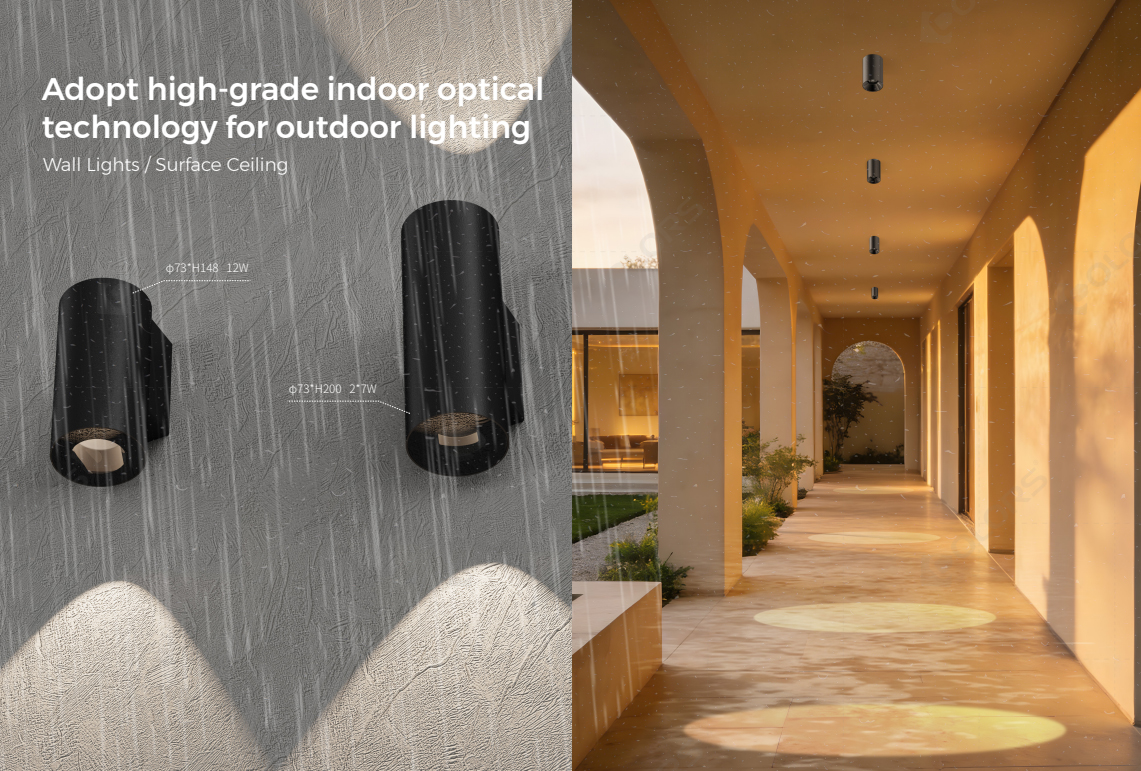
Waterproof Capability for More Applications
Certain KING 2 models feature IP54 waterproof protection. This allows the series to be used in more challenging environments, including: bathrooms, spa areas, semi-outdoor spaces, and hospitality wet zones. The ability to maintain consistent lighting language across multiple spaces enhances overall architectural coherence.
A Professional Downlight Solution for Modern Architecture
The KING 2 Series is more than a standard recessed downlight. It is a complete architectural lighting solution that combines: optical precision, deep anti-glare comfort, modular flexibility, split-design convenience, compact high-power performance, and premium industrial aesthetics.
With its advanced engineering and versatile product ecosystem, KING 2 provides professional lighting support for modern high-end architectural projects.
Conclusion
LED downlights have become one of the most essential lighting tools in modern architecture. Their clean appearance, spatial flexibility, and ability to create comfortable atmospheres make them suitable for an enormous range of applications.
As modern spaces become more sophisticated, lighting systems must deliver more than just illumination. Today's architectural projects require lighting that is: visually refined, comfortable, flexible, easy to maintain, adaptable, efficient, and future-oriented.
This is why modular and split-design recessed downlights are becoming increasingly important.
By separating components into flexible modules and simplifying installation structures, modular & split design improve maintenance efficiency, reduce operational costs, simplify inventory management, and provide greater design freedom for architects and lighting designers.
The KING 2 Series by COLORS Lighting demonstrates how modern downlight engineering can combine deep anti-glare performance, modular flexibility, split architecture, and premium aesthetics into one professional lighting solution.
As architectural lighting continues evolving toward smarter, cleaner, and more adaptable systems, modular recessed LED downlights like KING 2 will continue to play a vital role in shaping the spaces of the future.