Blog
Waterproof Recessed Bathroom Downlights for Hotel & Gym Projects
Waterproof Recessed Bathroom Downlights for Hotel & Gym Projects

Joyce Alva.UpdatedMay 15, 2026|12 mins Read
In today's architectural lighting industry, recessed downlights have become one of the most essential lighting products for commercial and hospitality spaces. From luxury hotels and boutique resorts to fitness centers, spas, wellness clubs, and modern residential interiors, downlights are now deeply integrated into contemporary lighting design. Their ability to provide clean ceiling aesthetics, comfortable illumination, and flexible lighting layouts makes them one of the most widely adopted luminaires in modern architecture.
At the same time, the evolution of architecture and interior design has also changed the expectations for lighting fixtures. Modern projects no longer simply require lighting products that "light up a space." Instead, designers, developers, and operators now expect luminaires to deliver better visual comfort, higher reliability, stronger environmental adaptability, lower maintenance costs, and enhanced safety performance.
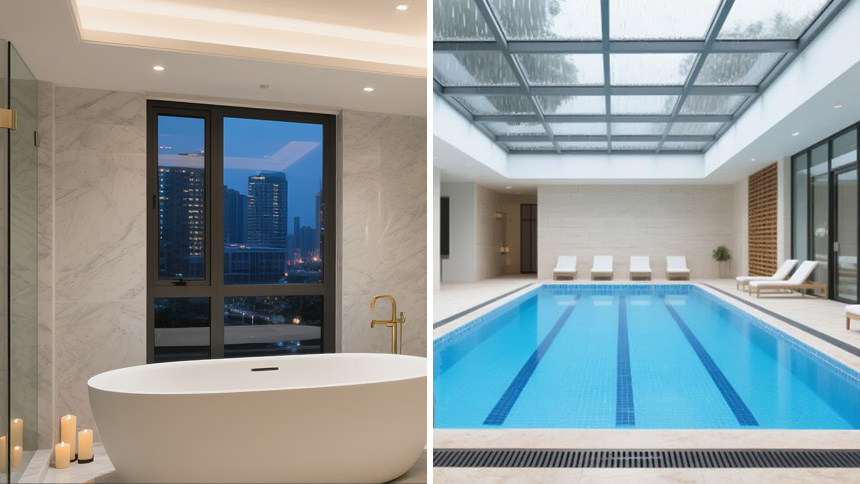
This shift is especially evident in hotel and gym bathroom applications. Bathrooms, shower rooms, changing areas, spa zones, and wellness environments expose lighting fixtures to humidity, steam, water splashes, cleaning chemicals, and long operational hours every day. Under these demanding conditions, standard recessed downlights are often unable to maintain long-term stable performance. As a result, waterproof recessed bathroom downlights have become an increasingly important solution in modern hospitality and wellness lighting projects.
Downlights Have Become One of the Most Common Lighting Solutions in Modern Architecture
Over the last decade, the lighting industry has experienced a major transformation driven by LED technology, modern interior aesthetics, and increasing demands for architectural integration. Among all lighting products, recessed downlights have emerged as one of the most popular and versatile solutions across various industries.
Unlike traditional surface-mounted fixtures, recessed downlights are installed inside the ceiling, creating a clean and minimalist appearance that aligns perfectly with modern architectural trends. Designers today often pursue simplified ceiling structures and uncluttered visual spaces. Downlights support this approach by providing effective illumination without visually dominating the environment.
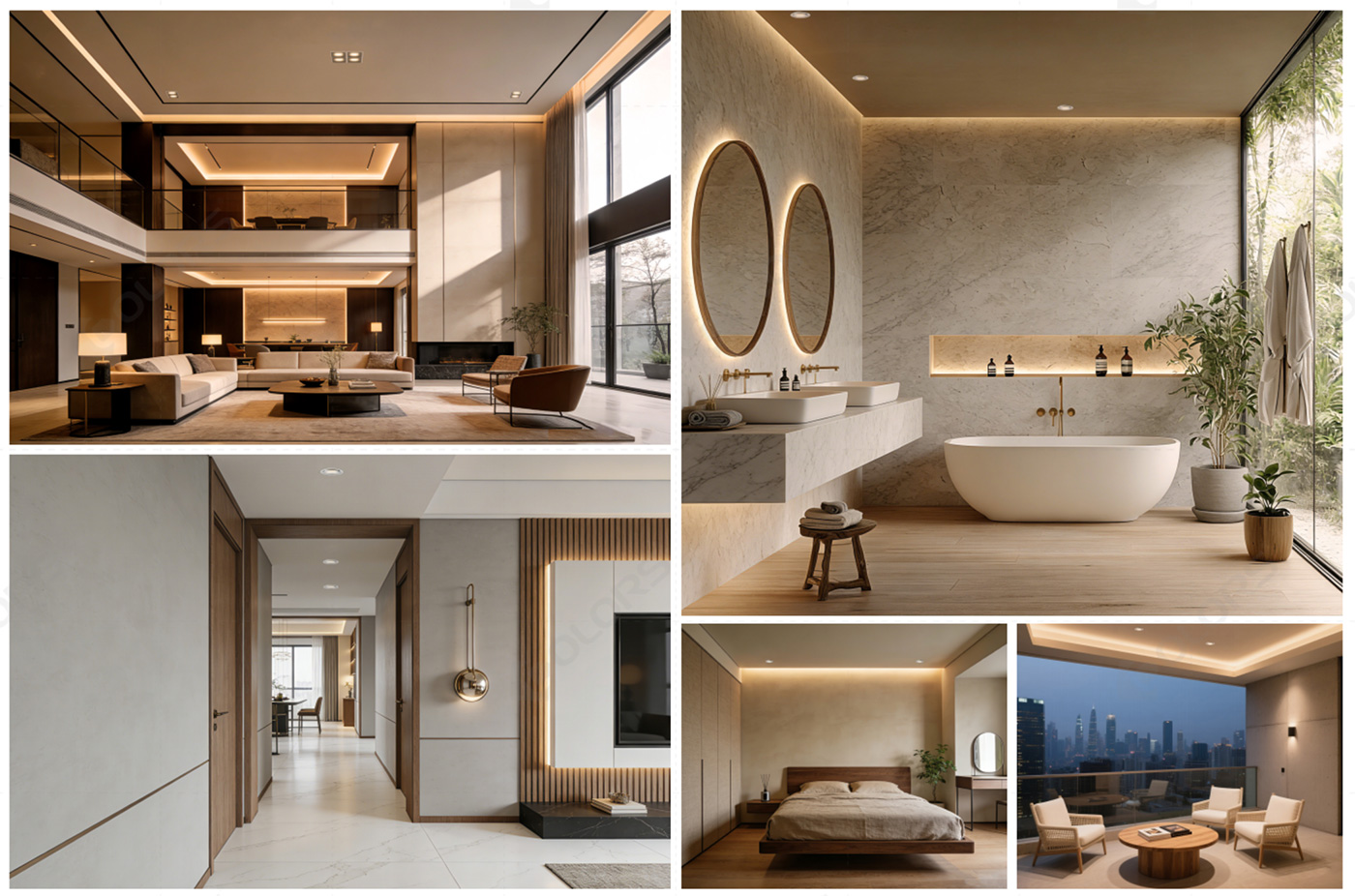
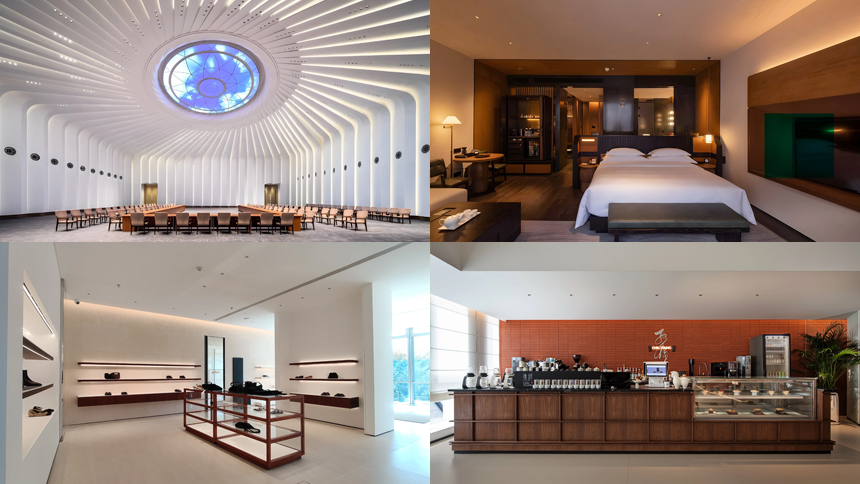
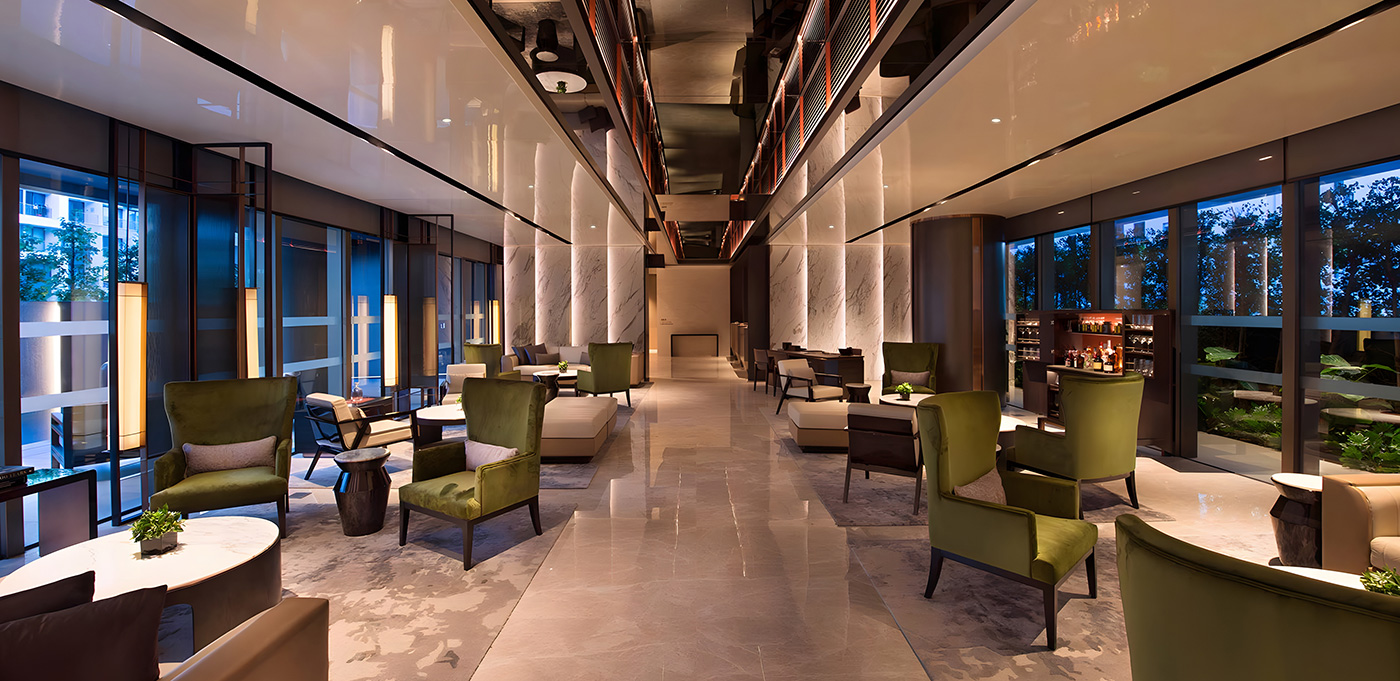
Because of this, recessed downlights are now widely used in: hotels and resorts, luxury residential projects, wellness centers, retail stores and shopping malls, restaurants and cafes, office buildings, museums and galleries, public commercial spaces, airports and transportation hubs, and so on.
One of the biggest reasons behind the popularity of downlights is their flexibility. Designers can easily create different lighting atmospheres simply by adjusting fixture spacing, beam angles, color temperatures, and dimming systems. Warm white downlights can create relaxing and luxurious hospitality environments, while cooler color temperatures can support more energetic and functional spaces such as gyms and training facilities.
Another important factor is the advancement of LED technology. Modern LED recessed downlights provide significantly better performance compared with traditional halogen or fluorescent lighting systems. Today's LED downlights offer: higher energy efficiency, longer operating lifespan, reduced maintenance requirements, improved optical precision, better thermal management, smart control compatibility, and more compact fixture dimensions.
For hotel operators and commercial project owners, these advantages translate into lower energy consumption and reduced long-term operational costs.
Beyond functionality, recessed downlights also play an important role in creating emotional and experiential lighting environments. In hospitality projects, lighting is no longer treated as a purely technical system. Instead, it has become an essential part of the guest experience.
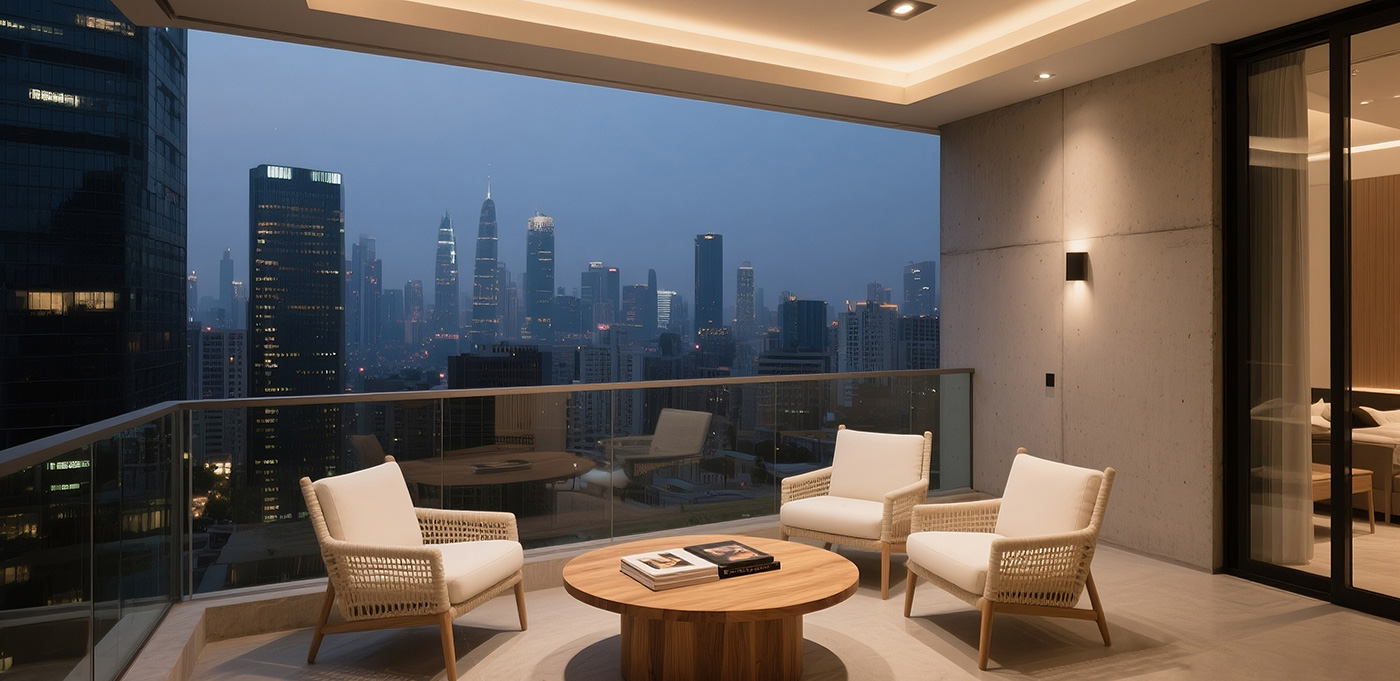
For example, hotel lobbies often use soft recessed lighting to create an elegant first impression. Guest room lighting uses carefully positioned downlights to create warmth and comfort. Bathrooms and wellness areas rely on layered lighting to support relaxation and luxury experiences.
Similarly, gyms and wellness clubs increasingly focus on creating immersive environments rather than purely functional workout spaces. Lighting now contributes to motivation, mood, comfort, and overall brand identity. Recessed downlights help achieve this balance because they can provide both functional illumination and sophisticated visual integration.
As architectural lighting continues to evolve, downlights have transformed from simple ceiling fixtures into highly specialized lighting tools that combine technology, aesthetics, and environmental adaptability.
Modern Projects Require More Advanced Downlight Performance
As recessed downlights become more common across commercial and hospitality applications, project expectations for lighting products are becoming significantly more demanding. In the past, lighting selection often focused primarily on brightness and energy saving. However, modern architectural projects now require luminaires that can perform reliably under much more complex environmental and operational conditions.
Today's hotel and gym projects place much greater emphasis on visual comfort, sustainability, durability, maintenance efficiency, and user experience. This means that downlights must now satisfy both aesthetic requirements and technical performance standards simultaneously.
One of the biggest changes is the increasing importance of visual comfort. Modern hospitality environments aim to create spaces that feel relaxing, refined, and emotionally engaging. Harsh glare, uneven lighting distribution, or uncomfortable brightness can negatively affect the user experience, even if the interior design itself is high-end.
As a result, project designers now require downlights with: low glare optical systems, smooth and uniform light distribution, precise beam angle control, high color rendering performance, comfortable brightness levels, and flicker-free illumination.
In hotel guest bathrooms, for example, lighting must support practical functions such as grooming and makeup while also creating a luxurious and calming atmosphere. In gyms and spa environments, lighting needs to balance energy, relaxation, and comfort depending on the application area.
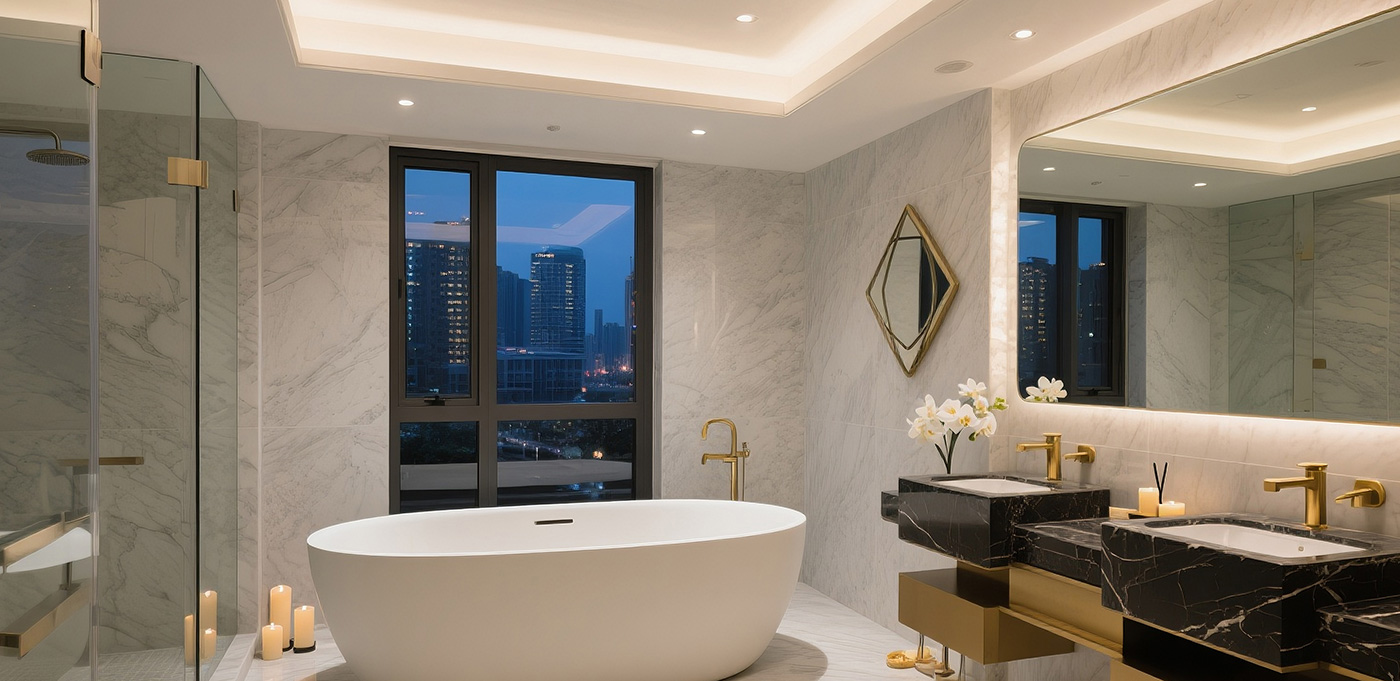
Another major requirement is environmental adaptability. Modern commercial projects contain many different environmental conditions within the same building. Some areas may remain completely dry, while others experience humidity, dust, steam, or direct water exposure.
Bathrooms, spa facilities, steam rooms, and shower areas are especially challenging because they continuously expose luminaires to moisture and temperature fluctuations. Under these conditions, standard indoor downlights may experience condensation, corrosion, electrical instability, or premature failure.
Because of this, architects and lighting consultants increasingly prioritize luminaires with higher protection capabilities, including waterproof and moisture-resistant structures.
The growing focus on sustainability and operational efficiency has also influenced downlight requirements. Hotels and gyms often operate for extended hours every day, with some facilities functioning nearly 24 hours continuously. Frequent fixture replacement or maintenance creates significant operational challenges, including labor costs, ceiling repairs, room downtime, and disruptions to guests or members.
Therefore, project owners now prioritize luminaires with: longer operational lifespan, stable thermal performance, corrosion resistance, reliable driver systems, reduced maintenance frequency, and high environmental protection ratings.
This shift is particularly important in large-scale hospitality projects where hundreds or even thousands of downlights may be installed throughout the property.
In addition, smart lighting systems are becoming increasingly integrated into hospitality and commercial environments. Modern downlights are now expected to support intelligent dimming systems, scene control, occupancy sensing, and energy management platforms. This allows operators to optimize both user experience and energy consumption simultaneously.
All these factors demonstrate that modern downlights are no longer simple lighting fixtures. They have become highly engineered architectural products designed to satisfy complex environmental, operational, and experiential requirements.
Why Waterproof Recessed Downlights Are Increasingly Important in Hotel & Gym Bathrooms
Among all commercial lighting environments, bathrooms and wellness areas present some of the most demanding conditions for lighting fixtures. In hotel and gym projects especially, bathrooms are exposed to high humidity, water splashes, steam, cleaning chemicals, and intensive daily usage. These conditions create significant challenges for standard recessed downlights.
As hospitality and wellness standards continue to rise, waterproof recessed downlights are becoming increasingly essential in these spaces.
One of the primary reasons is continuous humidity exposure. Hotel bathrooms and gym shower rooms generate moisture almost constantly throughout the day. Hot showers, steam, and limited ventilation can cause humidity levels to remain high for extended periods. Over time, moisture can penetrate conventional lighting fixtures and damage internal electronic components.
When this happens, several problems may occur: driver failure, LED degradation, internal condensation, corrosion of metal components, reduced light output, and shortened fixture lifespan.
In large hotel projects, these failures can quickly become expensive maintenance issues. Replacing ceiling fixtures in occupied guest rooms or active gym facilities often requires labor coordination, temporary closures, and operational disruptions.
Waterproof recessed downlights are specifically designed to prevent moisture ingress through sealed fixture structures, waterproof gaskets, and protected optical chambers. This greatly improves long-term reliability in humid environments.
Another major factor is direct water exposure. In many modern hospitality projects, downlights are installed very close to showers, bathtubs, vanity areas, or spa facilities. Water splashes and steam exposure are unavoidable in these environments.
Gym shower areas are particularly demanding because they experience extremely high daily usage from multiple users throughout the day. In wellness clubs and spas, elevated humidity levels can remain constant for many hours.
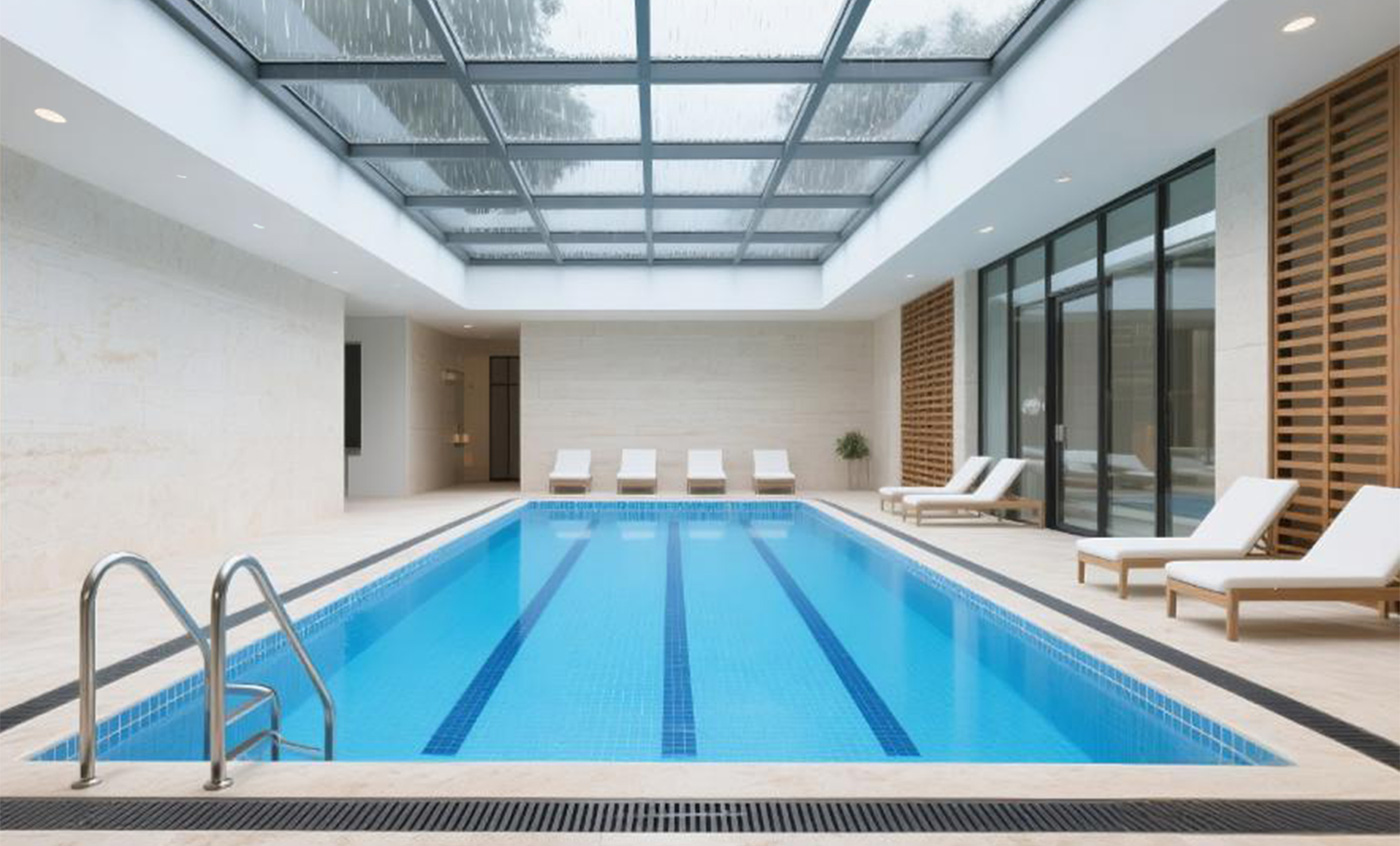
Under these conditions, luminaires require higher IP protection ratings, such as IP65, to ensure safe operation. Waterproof recessed downlights help protect against water penetration that could otherwise lead to electrical hazards or fixture malfunction.
Safety is another critical reason why waterproof lighting is increasingly prioritized. Bathrooms combine electricity and water, making safety standards especially important. Commercial hospitality projects must meet strict electrical and building regulations to ensure user protection.
Waterproof recessed downlights reduce the risk of: electrical leakage, short circuits, internal driver damage, electrical shock hazards, and fire risks caused by moisture intrusion.
For hotel operators, ensuring long-term lighting safety is essential not only for operational reliability but also for protecting brand reputation and guest satisfaction.
Cleaning and maintenance practices also contribute to the growing demand for waterproof luminaires. Hotel and gym bathrooms are cleaned frequently using water sprays, steam equipment, and chemical cleaning agents. Standard indoor downlights are often not designed to withstand repeated exposure to these conditions.
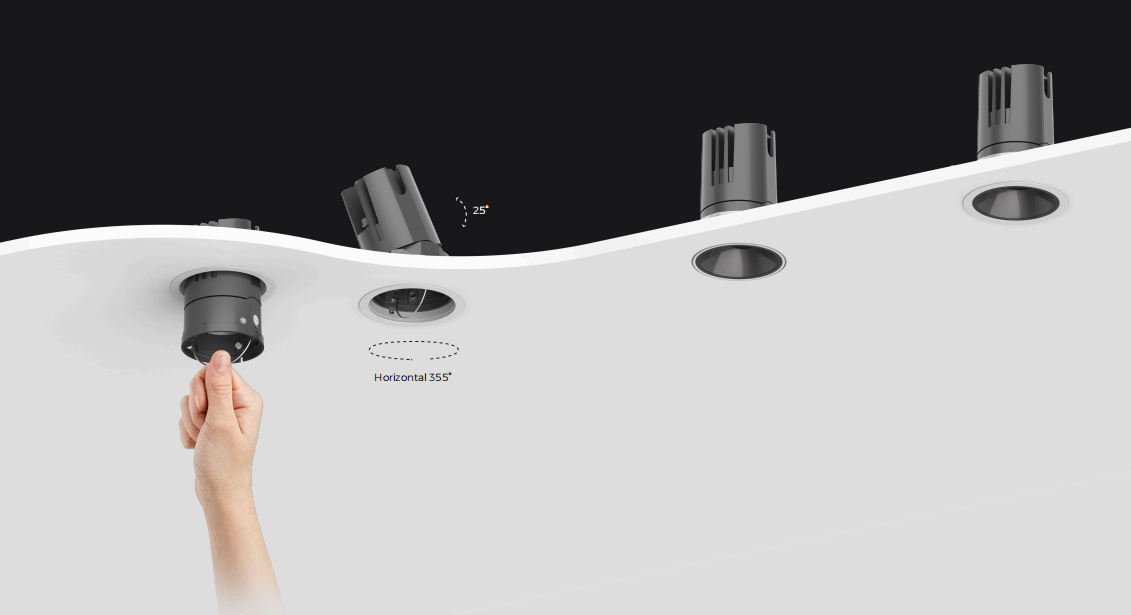
Waterproof recessed downlights provide better resistance against cleaning-related moisture and help maintain stable performance over time.
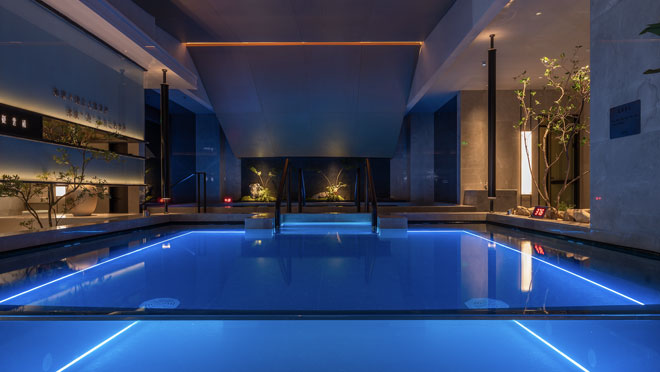
In addition, modern hospitality and wellness design increasingly emphasizes spa-like environments with integrated architectural lighting. Designers often use recessed downlights to create relaxing lighting effects in wet areas, including: shower rooms, steam rooms, sauna entrances, spa corridors, poolside changing rooms, and wellness treatment areas.
These applications require luminaires that combine both elegant aesthetics and high environmental protection.
As hotels and gyms continue evolving toward higher-quality wellness experiences, waterproof recessed downlights are becoming a necessary component of professional lighting design.
Difference Between Regular Downlights and Waterproof Recessed Downlights
Although regular recessed downlights and waterproof recessed downlights may look visually similar from the outside, their internal engineering and environmental performance are significantly different.
The most obvious difference is protection capability.
Regular downlights are typically designed for dry indoor environments such as living rooms, offices, or retail spaces. Their fixture structures may include open ventilation areas or unsealed optical components that allow airflow for heat dissipation.
However, these openings can also allow moisture and water vapor to enter the fixture when installed in humid environments.
Waterproof recessed downlights are specifically engineered with sealed structures that help prevent moisture ingress. These fixtures often include: waterproof front bezels, silicone sealing gaskets, sealed optical chambers, moisture-resistant drivers, and corrosion-resistant materials.
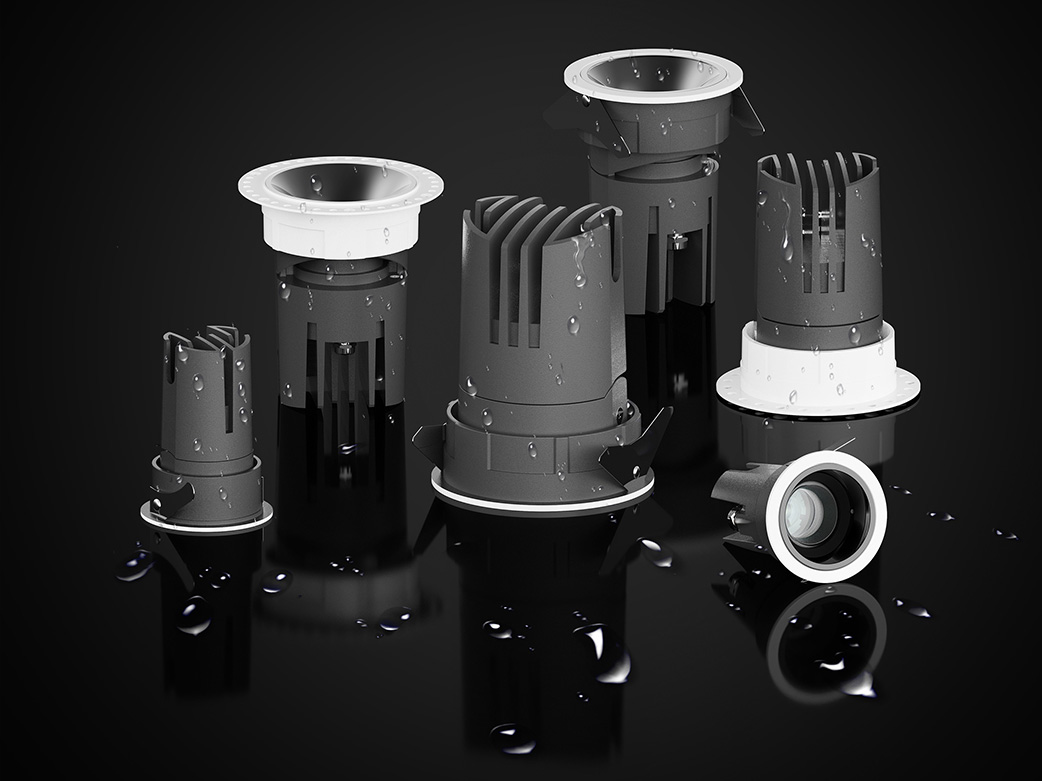
This protective structure significantly improves reliability in bathrooms and wet areas.
Another important difference is the IP rating. Standard indoor downlights often carry low protection ratings such as IP20 or IP44, which provide limited resistance against moisture exposure.
Waterproof recessed downlights typically offer higher IP ratings such as IP54, IP65, or even IP67, depending on the application requirement. Higher IP ratings indicate stronger protection against both dust and water intrusion.
Material durability is also an important distinction. Waterproof downlights are usually manufactured using materials designed to resist corrosion and environmental degradation over long-term humid exposure. This includes specially treated aluminum housings, anti-rust coatings, and moisture-resistant optical components.
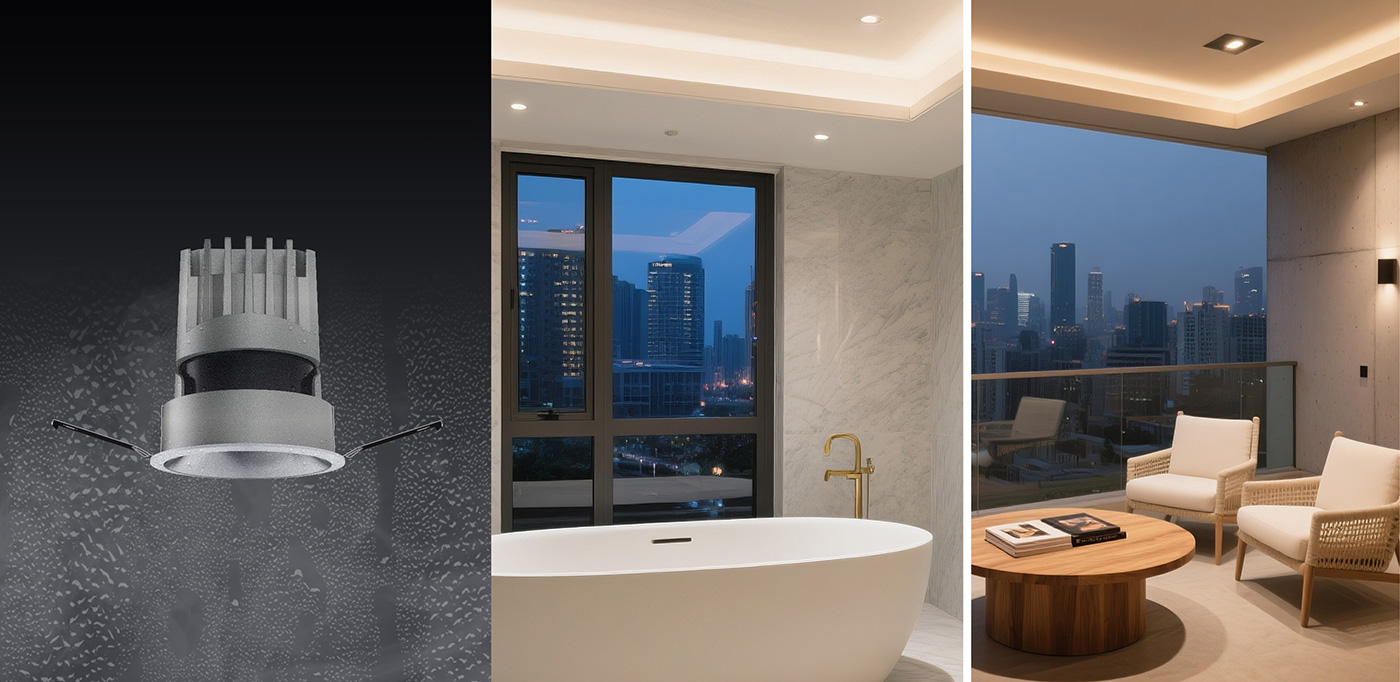
Thermal management is another key advantage. Bathrooms and spa environments often combine humidity with elevated temperatures, which can accelerate LED degradation if thermal performance is poor. Waterproof recessed downlights are generally designed with optimized heat dissipation structures that maintain stable operation under these challenging conditions.
Most importantly, waterproof recessed downlights provide much greater long-term reliability. In commercial hospitality projects, reliability is extremely valuable because it reduces maintenance frequency, operational disruption, and replacement costs.
For hotels and gyms operating continuously every day, this operational stability becomes a major advantage over conventional indoor downlights.
Introducing COLORS Lighting Brook Series
For modern hotel and gym bathroom projects, lighting fixtures are no longer expected to simply provide basic illumination. They must also maintain long-term reliability in environments exposed to humidity, steam, water splashes, and frequent daily usage. As hospitality and wellness projects continue to pursue higher standards of comfort, safety, and design quality, waterproof recessed downlights have become an increasingly important solution for these applications.
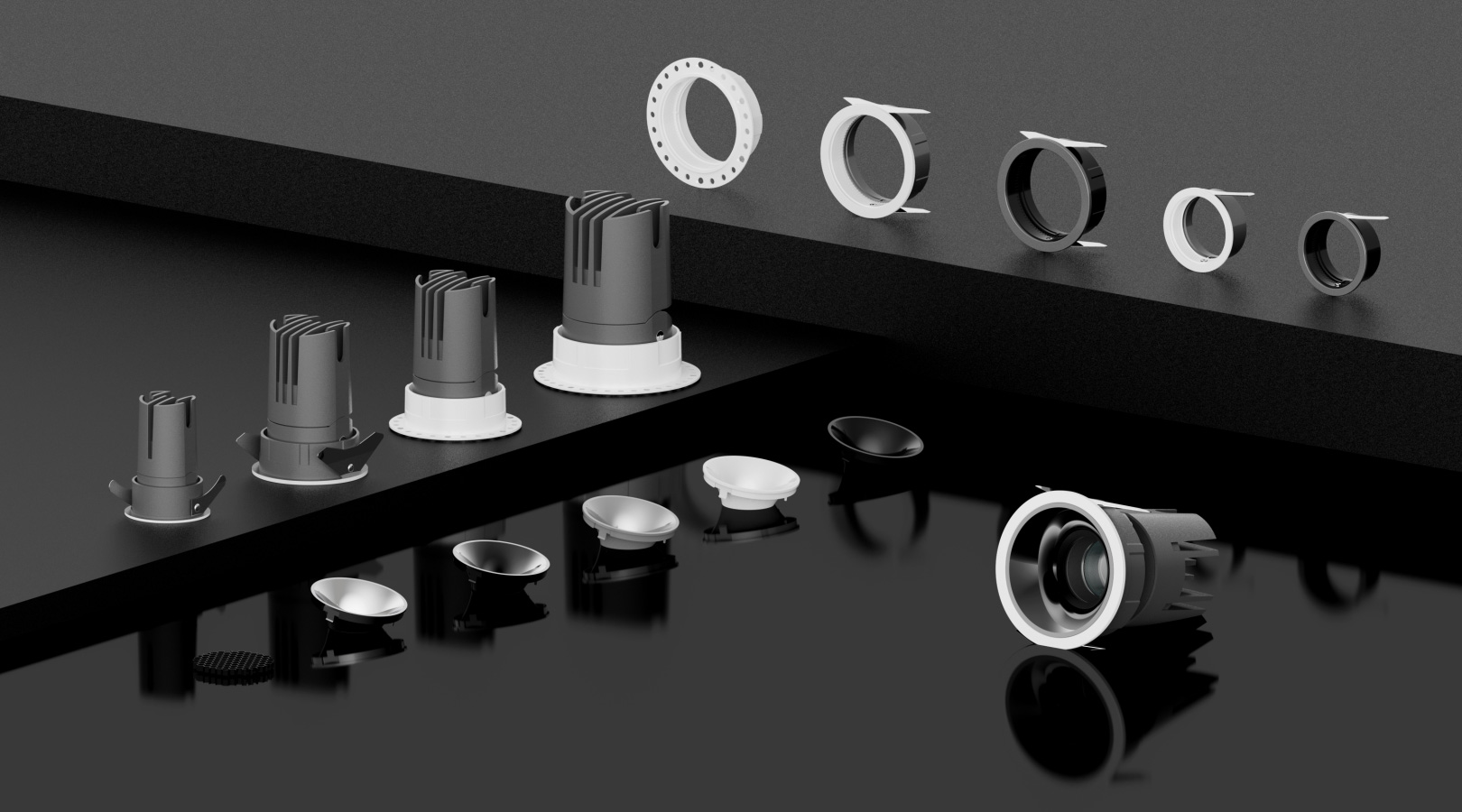
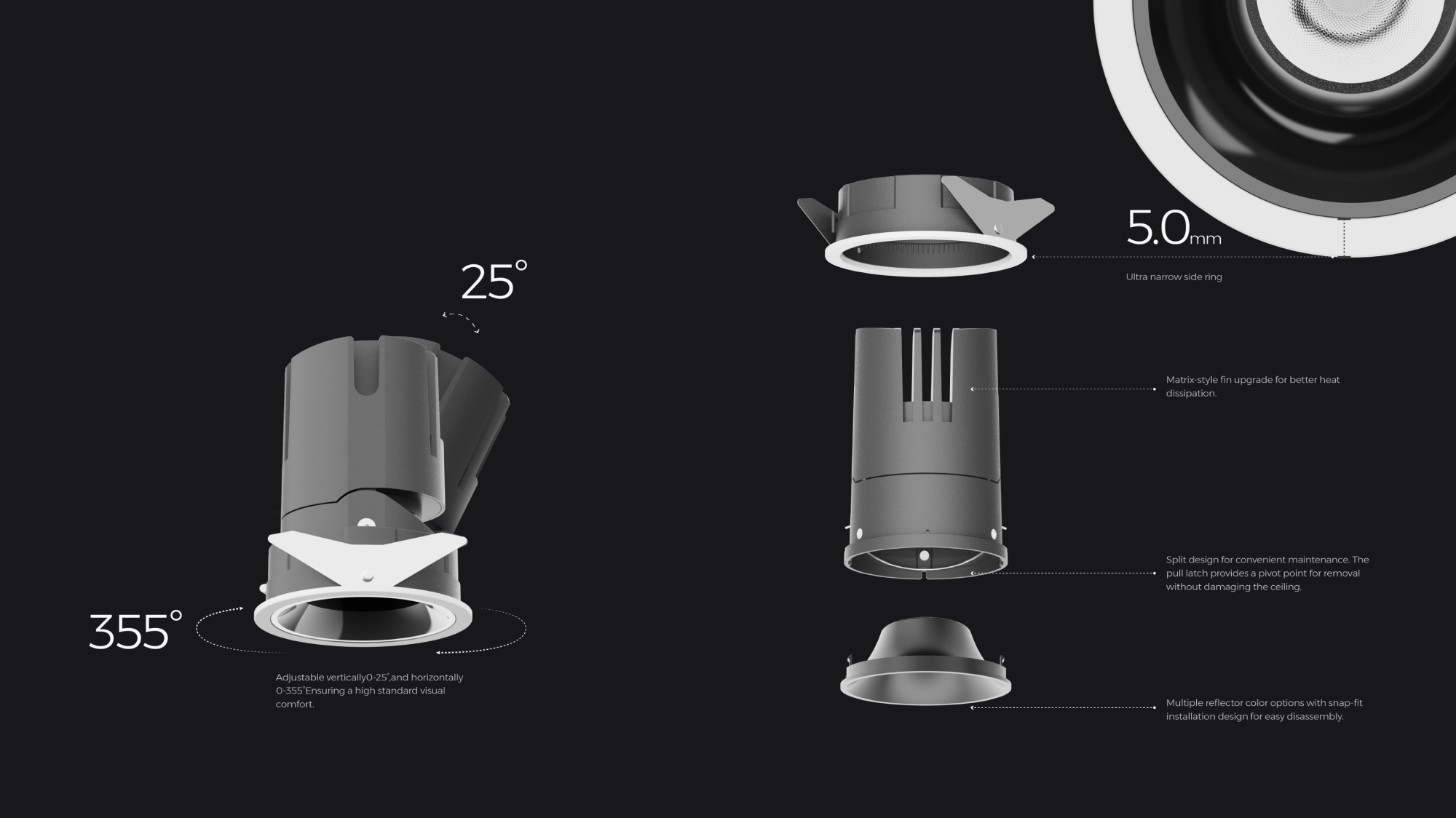
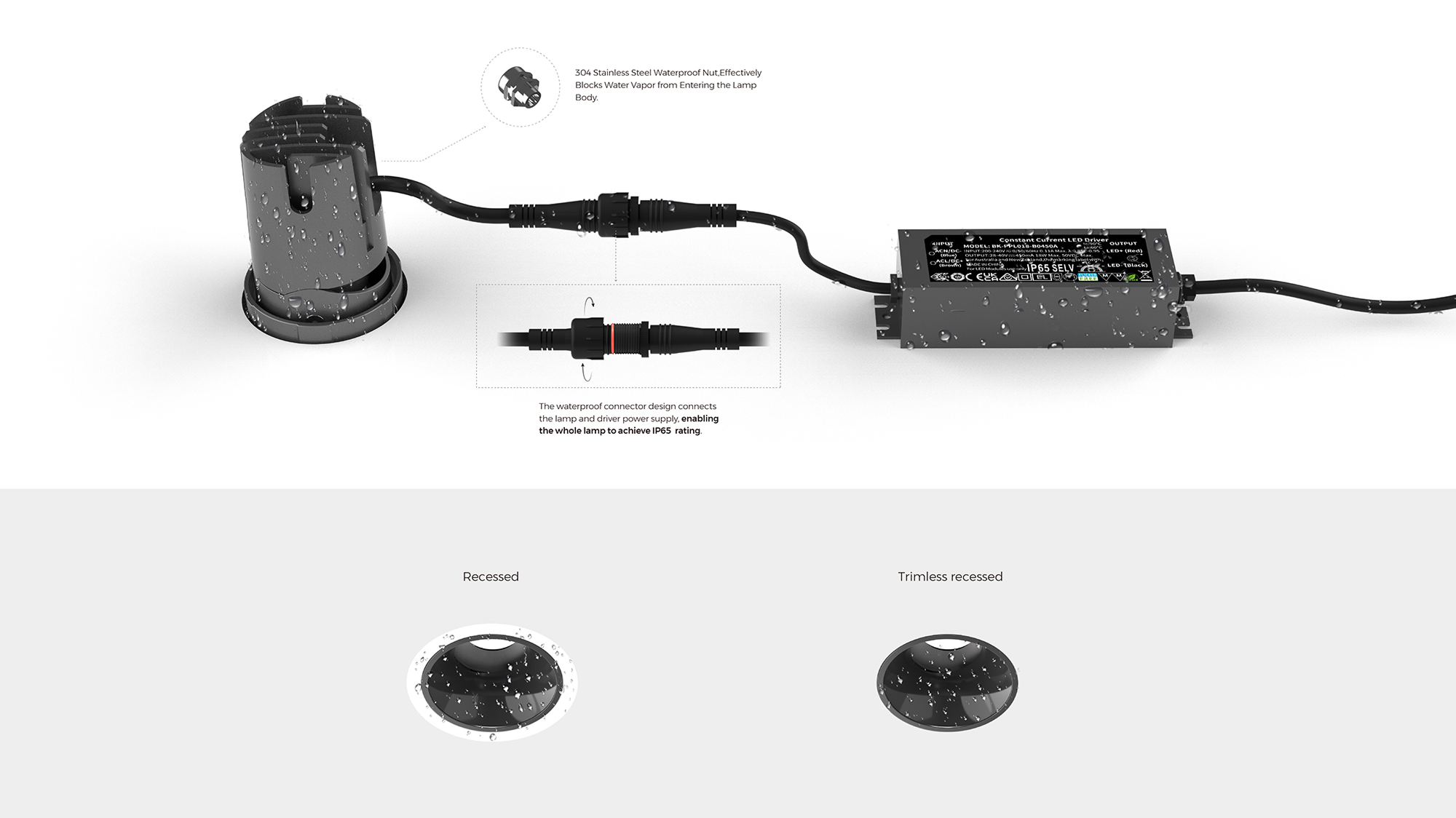
The COLORS Lighting Brook Series downlights are specifically developed to meet these demanding project requirements. As an adjustable recessed downlight with IP65 protection, Brook provides reliable waterproof performance for both indoor and outdoor scenarios, making it highly suitable for hotel bathrooms, gym shower rooms, spa facilities, swimming pool surroundings, locker rooms, and wellness spaces where moisture and humid air are continuously present.
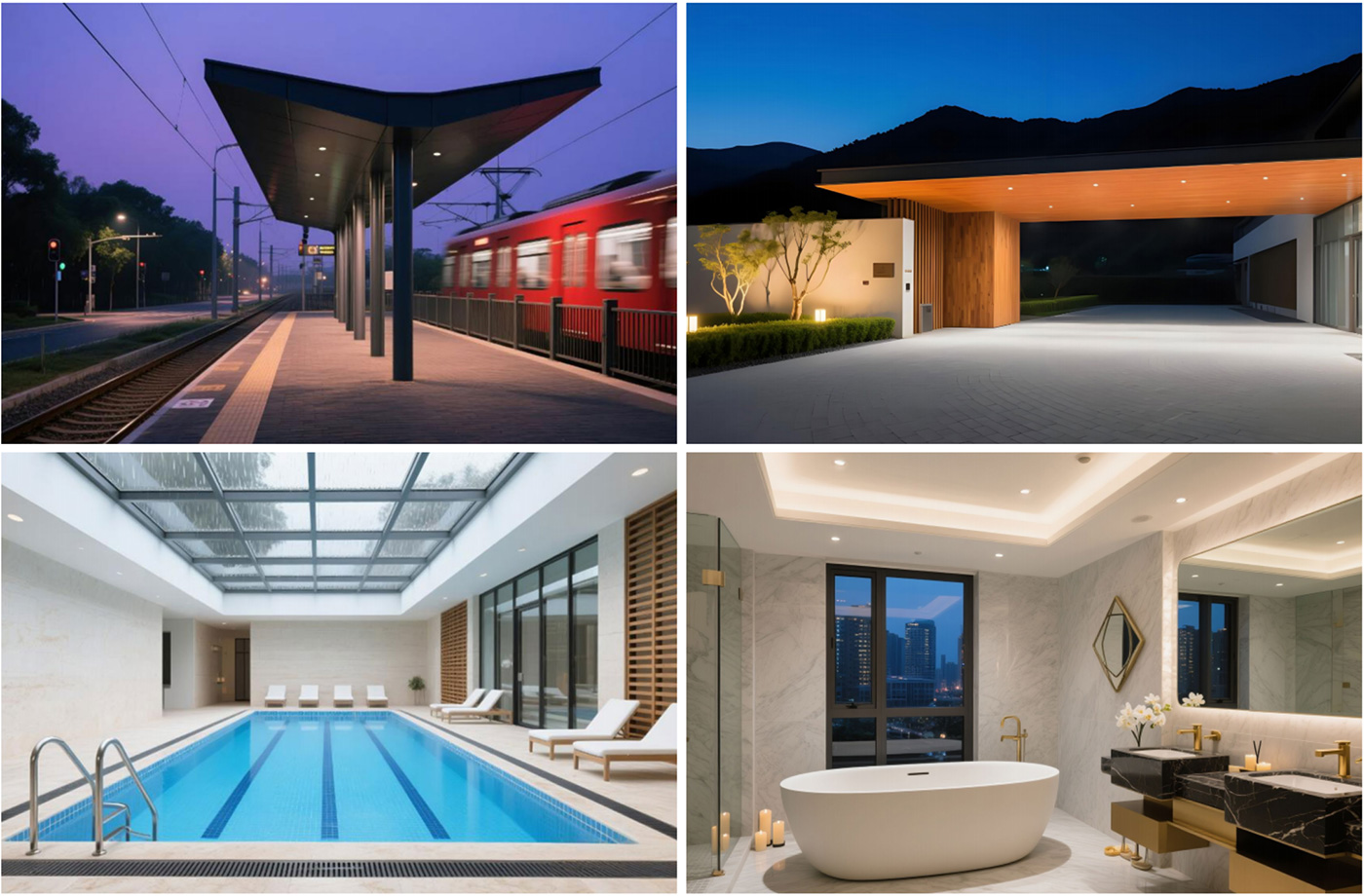
To ensure long-term durability in wet-area environments, the recessed part of the Brook fixture is protected by a robust metal casing, helping improve structural stability and resistance against moisture intrusion. In addition, the pre-wired LED power supply also carries the same IP65 protection rating, allowing the entire lighting system to maintain safer and more reliable operation under challenging environmental conditions. This greatly reduces potential risks caused by humidity, such as internal condensation, electrical instability, or premature component failure.
Beyond its waterproof capability, Brook is also designed to deliver high-quality architectural lighting performance. The fixture features excellent anti-glare control, helping create softer and more comfortable illumination for hospitality and wellness environments. In hotel bathrooms and spa spaces especially, visual comfort plays a critical role in enhancing the overall guest experience, and low-glare lighting helps create a more relaxing and refined atmosphere.
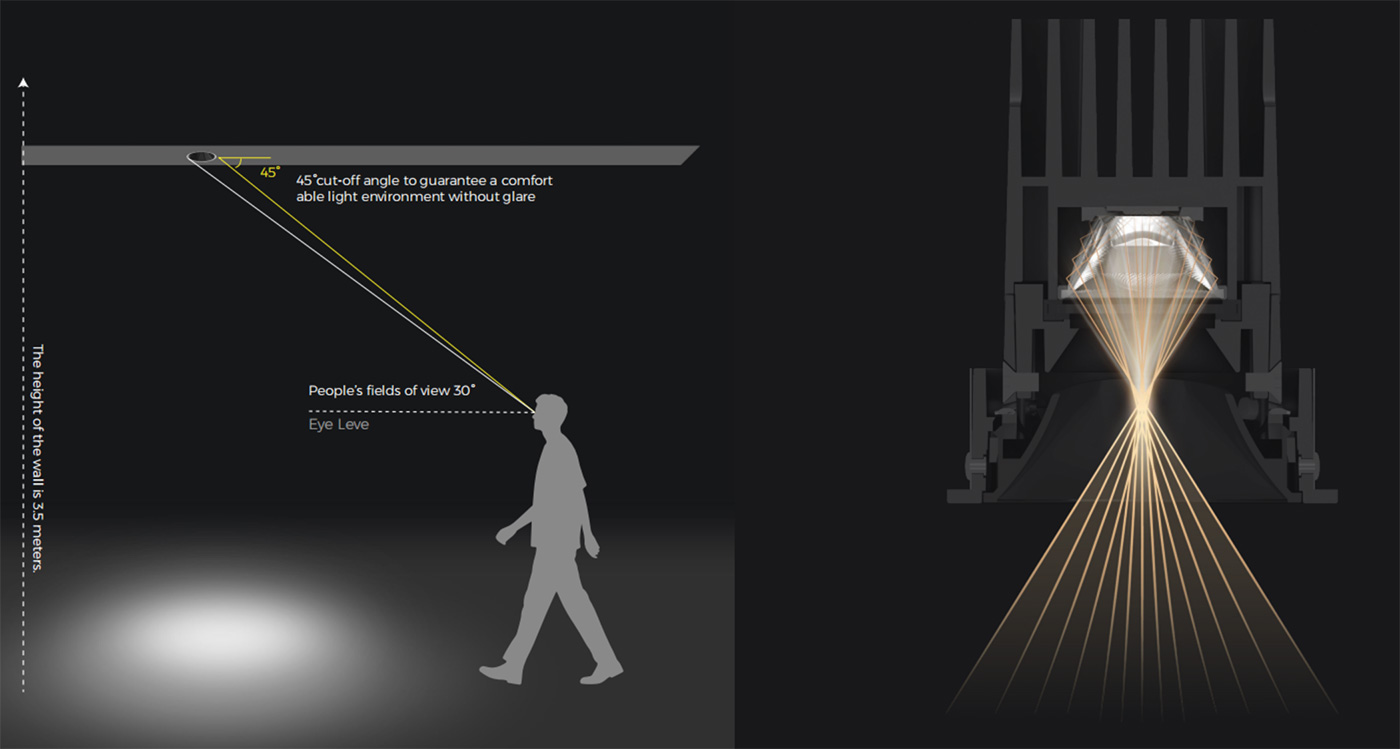
Brook also delivers a precise spot effect and high luminous efficiency, allowing lighting designers to achieve both functional illumination and elegant architectural aesthetics simultaneously. Whether used for vanity lighting, shower area illumination, corridor lighting, or wellness zone accent lighting, the fixture provides clean and professional lighting effects while maintaining energy-efficient operation.
Another key advantage of the Brook Series is its flexible optical configuration. Different beam angle options allow the fixture to adapt to various lighting requirements, from focused accent lighting to broader ambient illumination. This flexibility enables designers to create layered lighting environments that improve both functionality and spatial atmosphere in modern hotel and gym projects.
By combining IP65 waterproof protection, durable structural design, excellent anti-glare performance, precise optical control, and flexible application capability, the Brook Series offers a professional waterproof recessed downlight solution for high-standard hospitality and wellness projects where both lighting quality and long-term reliability are essential.
Conclusion
Recessed downlights have become one of the most widely used lighting solutions in modern architecture because of their minimalist appearance, flexible application, and excellent lighting performance.
However, as hotel and gym projects continue evolving toward higher standards of comfort, safety, and operational efficiency, lighting fixtures are now expected to perform reliably under far more demanding environmental conditions.
Bathrooms, shower rooms, spa facilities, and wellness areas expose luminaires to humidity, steam, water splashes, and continuous usage every day. Under these conditions, waterproof recessed downlights provide major advantages in safety, durability, maintenance efficiency, and long-term reliability.
Compared with standard indoor downlights, waterproof recessed downlights offer stronger environmental protection, higher IP ratings, improved moisture resistance, and more stable long-term operation.
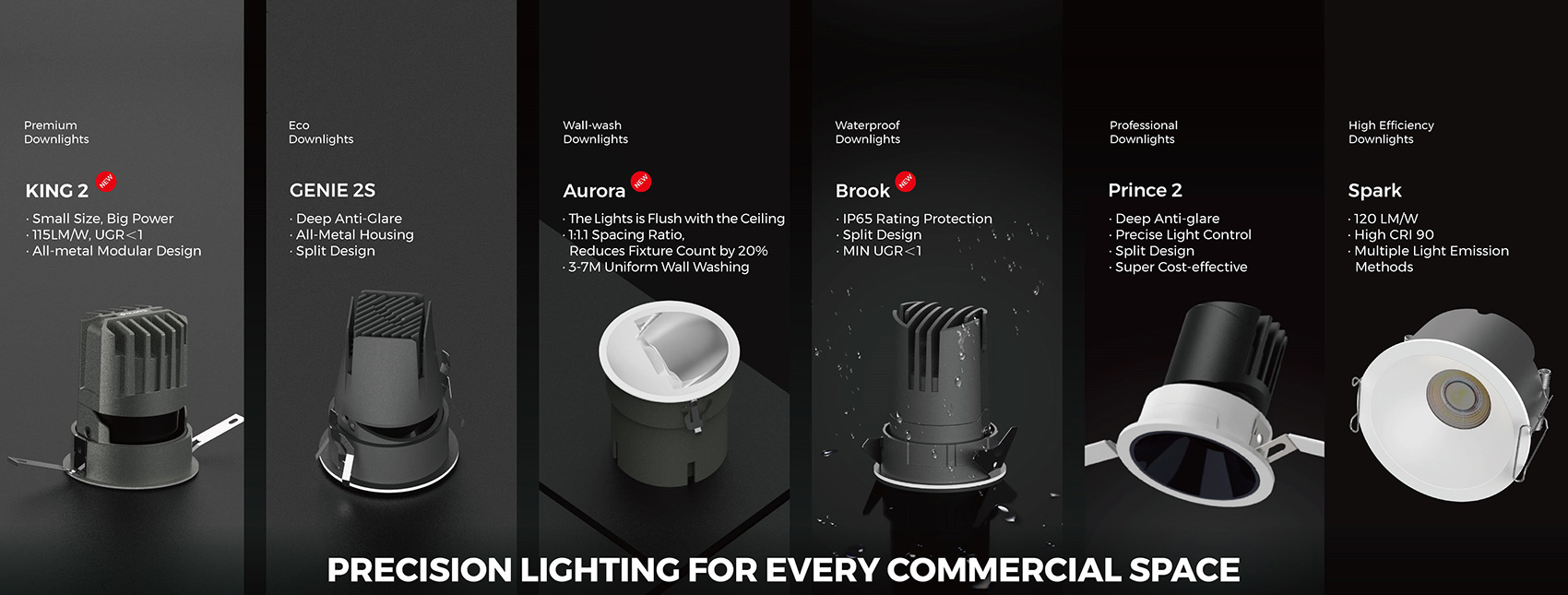
For modern hospitality and wellness projects, these advantages are becoming increasingly essential. With its combination of elegant architectural design, reliable waterproof protection, visual comfort, and professional lighting performance, the COLORS Lighting Brook Series downlights provide an ideal solution for hotel and gym bathroom lighting applications.
As the demand for high-quality wet-area lighting continues to grow, waterproof recessed downlights will play an even more important role in the future of architectural lighting design.